
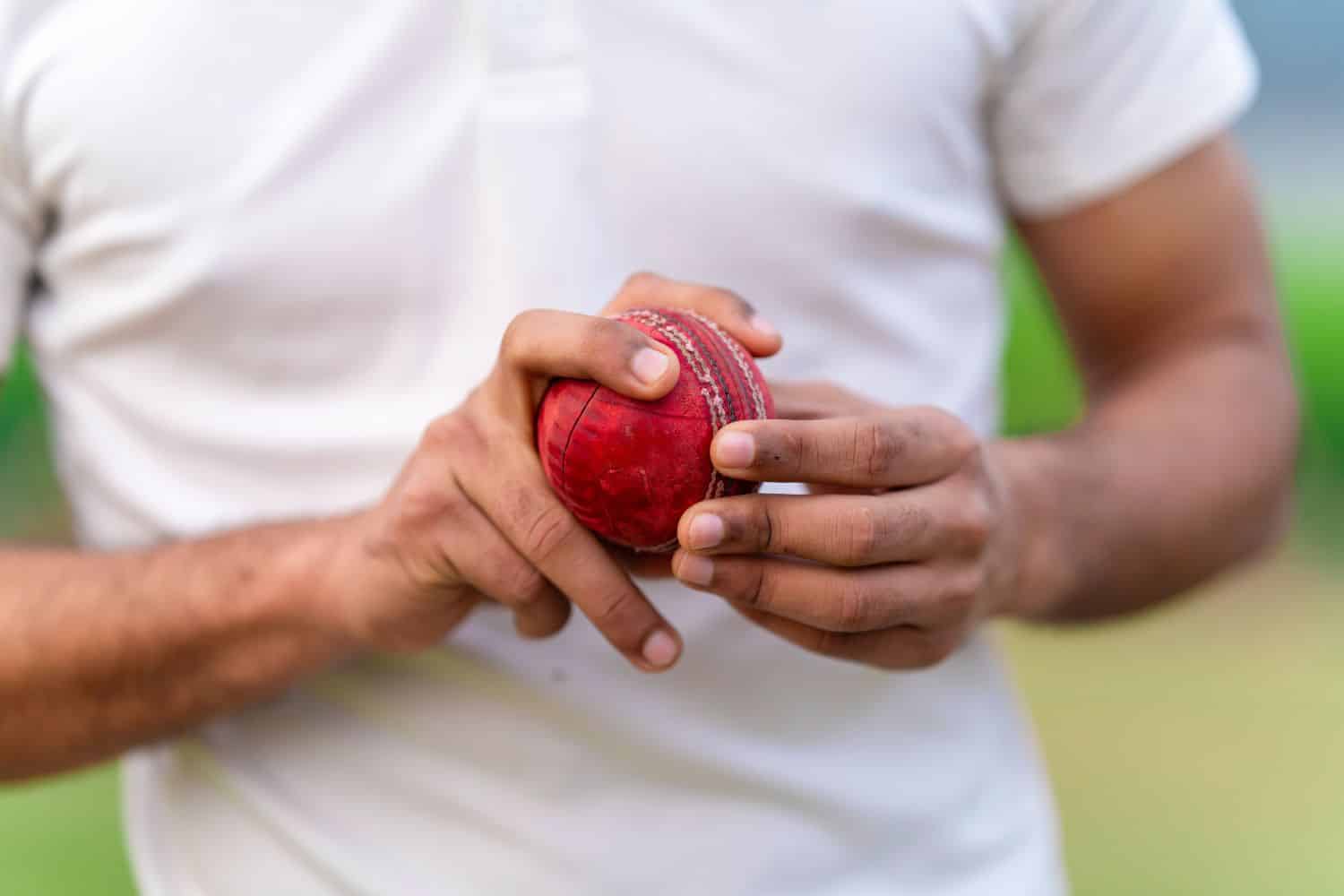
India is hardly an insignificant country on a global scale. Everyone has heard of it due to multiple factors. Some know it merely for the fact that it is the most populous in the world, while others are familiar with its incredible Bollywood movie industry that sometimes rivals Hollywood in some aspects. Its food is beloved all over the world, while the history, culture, and religion of the country and the region are easily distinguishable and highly recognizable. For the sports fans, though, it is their deep love of cricket that makes them unique.
Cricket and India have gone together like bread and butter for centuries. Similar to how Brazil feels about football (soccer), or how the USA cares about its baseball, the country’s very history and identity greatly depend on this incredible sport. With the best domestic competition, the Indian Premier League (IPL), some of the best players ever, with the likes of Sachin Tendulkar, MS Dhoni, and Virat Kohli, they are the powerhouse of the sport and the most difficult opponent to win against on the international stage. But what is the true importance of the game for the common folk, and why do they care so much about it?
Historical Roots and Colonial Legacy
Cricket holds a uniquely powerful place in India that extends far beyond what a simple sport, activity, hobby, or pastime can typically offer. It is a cultural force that influences identity, social interaction, media, and even the economy of the entire subcontinent. Cricket is played in the streets, schools, and villages on one side, and the massive stadiums on the other. The sport unites people across regions, languages, religions, and social classes, and there are many of each in India. For many Indians, cricket is both an emotional outlet and a shared national language, and you will definitely witness it firsthand when you visit the country.
Cricket was introduced to India during the British colonial rule in the 18th century. Initially played by British officers and elite Indian communities, the game gradually spread across the country and became a phenomenon among the general masses. Over time, Indians adopted cricket not just as a pastime but as a means of asserting competence and pride under colonial dominance. India’s first Test match in 1932 marked an important step toward sporting self representation and finding its identity separate from its colonizers. After independence in 1947, the sport became a platform and an outlet through which India could express national confidence on the global stage. It helped transform colonial inheritance into a symbol of self determination.
Iconic Moments and National Pride
What began as a new way to feel Indian and express your love for the country and the people soon became a sport Indians were very good at. Key victories have elevated cricket to near mythical status in India, and it has only grown since. The 1983 Cricket World Cup win is often cited as a turning point that united and inspired generations of players and fans while reshaping India’s belief in its global sporting potential. Subsequent achievements, namely their World Cup wins and consistent success across all formats, reinforced cricket as a source of national pride. Celebrated players became heroes whose achievements across all three formats were seen as collective triumphs rather than individual ones.
Cricket in Modern Day Culture
In contemporary India, cricket permeates everyday life and is inseparable from a daily dose of information and conversation. Matches dominate television viewership, social media discussions, and news cycles, while major tournaments tend to bring daily routines to a halt as families, friends, and neighborhoods gather to watch games together. Cricket related conversations serve as bridges across age groups and social backgrounds, making it one of the few truly shared cultural experiences in an incredibly diverse and populous nation. The sport also influences fashion, advertising, language, and popular culture, since it has embedded itself deeply in the social fabric and for those seeking more active involvement, many fans choose to visit online platforms that offer cricket betting options.
Economic and Social Impact
Everything mentioned above is not without its benefits for the country, benefits that can be seen and felt throughout the states. Cricket is a significant economic driver as professional leagues, sponsorships, broadcasting rights, and merchandise generate substantial revenue and present a ton of employment opportunities. At the grassroots level, cricket gives young people, particularly from underprivileged backgrounds, a pathway to recognition, financial stability, and social mobility, as well as safety and a way to escape the struggles. Academies and local tournaments nurture talent and reinforce the idea that success in cricket can change lives in more ways than being a professional player.
More Than a Game
The importance of cricket to India is very multifaceted, but it can be described through its ability to reflect and shape the nation’s identity. It connects history with modern aspirations, individual dreams with collective emotions, and serves as a mirror of Indian society. As a diverse sport with many formats and competitions, it perfectly encapsulates Indian diversity, resilience, and passion. Cricket is not merely watched or played in India; it is lived, remembered, and felt as an enduring part of the challenging yet successful national story.