
RBI Governor Sanjay Malhotra on Financial Stability at Kautilya Economic Conclave 2026
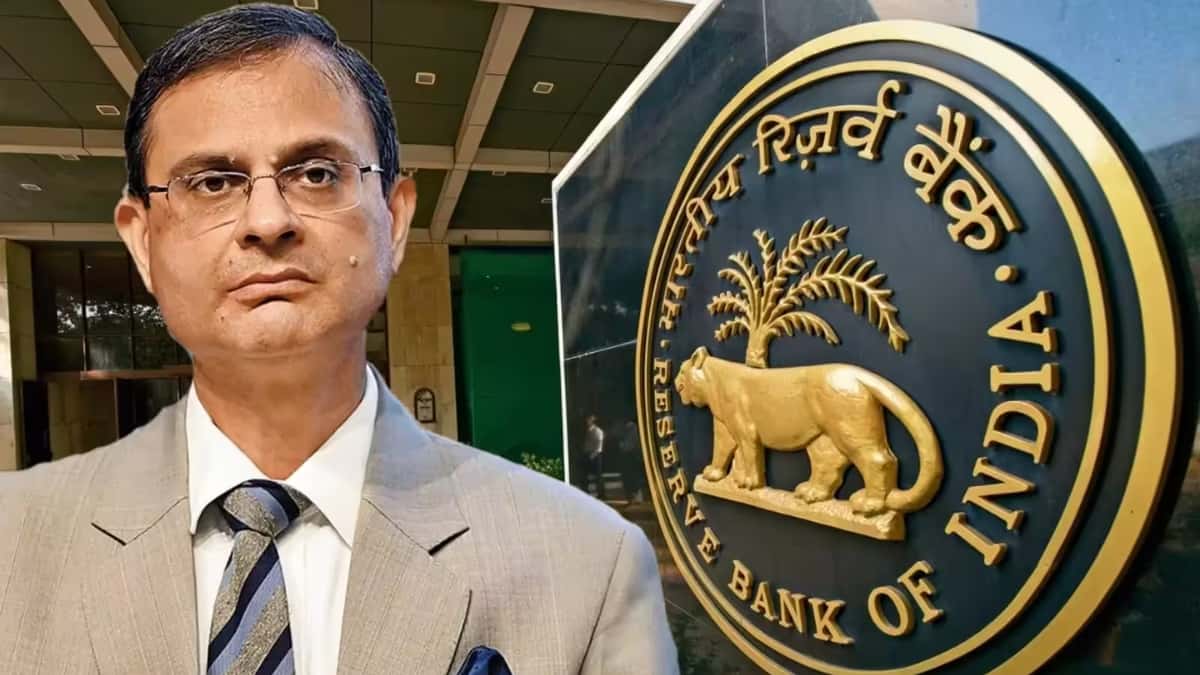
Reserve Bank of India Governor Shri Sanjay Malhotra delivered a special address titled “Preserving Financial Stability in an Evolving World” at the Fifth Kautilya Economic Conclave on 3 October 2026.
He defined financial stability as the financial system’s ability to support economic transactions, manage risks and absorb shocks, enabling households and businesses to save, borrow, invest and plan even under stress.
Governor Malhotra cautioned that prolonged periods of stability can encourage excessive risk-taking, recalling Minsky’s Financial Instability Hypothesis and India’s experience of the early-2000s NPA cycle. He noted that geopolitical fragmentation, trade restrictions, supply shocks, technological change and climate risks are reshaping the global environment in ways that affect both price and financial stability.
In India, the RBI’s mandate for financial stability is implicit in its responsibilities for monetary stability, regulation of the financial system and orderly forex markets. The central bank acts as regulator and supervisor of banks, NBFCs and payment systems, lender of last resort and deposit insurer. Coordination with other regulators and the government takes place through the Financial Stability and Development Council (FSDC).
The RBI’s approach focuses on building systemic resilience rather than preventing every shock. Key tools include prudent regulation, risk-based supervision supported by data analytics and stress tests, counter-cyclical macroprudential measures, and targeted liquidity support. Monetary policy remains primarily oriented towards price stability, while regulatory and macroprudential instruments address financial stability risks.
Turning to global risks, the Governor flagged five areas of concern: elevated global debt and hardening sovereign yields; stretched valuations linked to the AI investment cycle; rising leverage among non-bank financial intermediaries and deeper bank–NBFI interconnections; vulnerabilities in private credit; and heightened cyber risks amplified by artificial intelligence.
India, he said, is navigating these pressures from a position of strength. Macroeconomic fundamentals remain sound and the financial system is resilient. The June 2026 Financial Stability Report stress tests showed banks’ CET1 ratios staying comfortable under adverse scenarios. NBFCs reported an average CRAR of 24.6 per cent against the regulatory minimum of 15 per cent. Private credit remains small and is not assessed as a material risk. The RBI has strengthened cyber and model-risk governance through recent directions and draft guidance.
Governor Malhotra concluded with five priorities for policymakers: accept that some shocks are inevitable and focus on resilience; improve understanding of new cross-border and interconnected risks; strengthen data and monitoring frameworks; ensure resilience across the entire financial system, not only banks; and ensure that innovation reinforces, rather than erodes, the foundations of trust.
“If we succeed, financial stability will remain largely invisible. And, in central banking, invisibility is perhaps the most meaningful measure of success,” he said.