
Tata Sons Leadership Transition: What N. Chandrasekaran’s Exit Means for the Future of India’s Biggest Business Empire
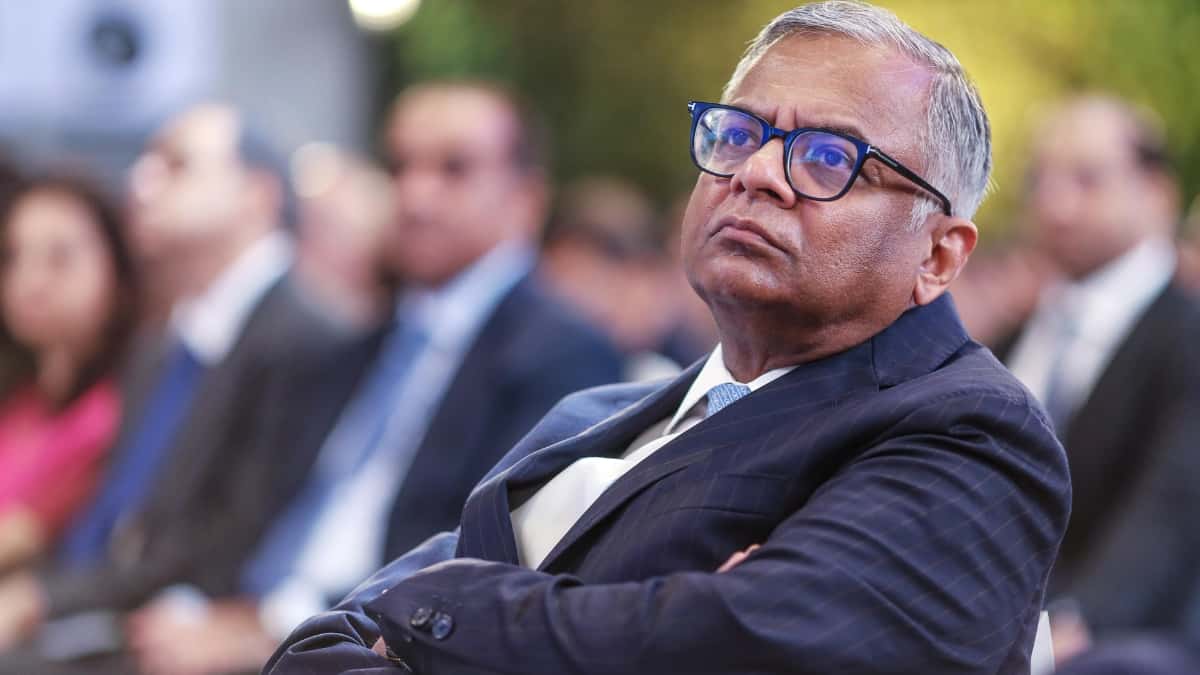
India Inc. witnessed a major development this week as Tata Sons Chairman N. Chandrasekaran announced that he will not seek another term after his current tenure ends in February 2027. The move has triggered discussions across corporate circles, raising questions about succession planning, governance, and the future direction of the Tata Group.
For nearly a decade, Chandrasekaran has been the face of Tata Group's transformation. Under his leadership, the conglomerate accelerated investments in electric vehicles, semiconductors, aviation, digital businesses, and advanced manufacturing. The acquisition and revival efforts of Air India became one of the most ambitious projects undertaken by any Indian business group in recent years.
Why This Transition Matters
Leadership changes are common in corporate India, but Tata Sons is not an ordinary company. As the holding company of more than 30 Tata Group businesses spanning technology, automobiles, steel, power, retail, telecom, and financial services, any change at the top attracts national attention. Tata Trusts, which own around 66% of Tata Sons, will play a key role in selecting the next chairman.
The next leader will inherit a group that is simultaneously managing multiple high-stakes projects:
- Expansion of India's semiconductor ecosystem.
- Scaling electric mobility initiatives.
- Strengthening Air India's global position.
- Accelerating AI and digital transformation across businesses.
- Expanding manufacturing investments under India's industrial growth strategy.
The Search for Tata Group's Next Chairman
The biggest question now is not why Chandrasekaran is leaving, but who will lead Tata Group after him.
Industry observers believe the selection process will focus on a leader capable of balancing Tata's traditional values with the demands of a rapidly changing global economy. The successor will need expertise in technology, manufacturing, governance, and global business expansion.
A Defining Moment for Corporate India
The Tata brand remains one of India's most trusted business institutions. As succession planning begins, investors, employees, and industry stakeholders will closely watch how the group navigates this transition.
While Chandrasekaran will continue until February 2027, the coming months are likely to shape the next chapter of the Tata story. The leadership decision could influence not only the future of Tata Group but also the broader direction of India's corporate landscape.