
Iran Fires Fresh Missiles at Tel Aviv as Hezbollah Attacks Israeli Forces – Saudi Urges Trump to Continue Strikes on Iran
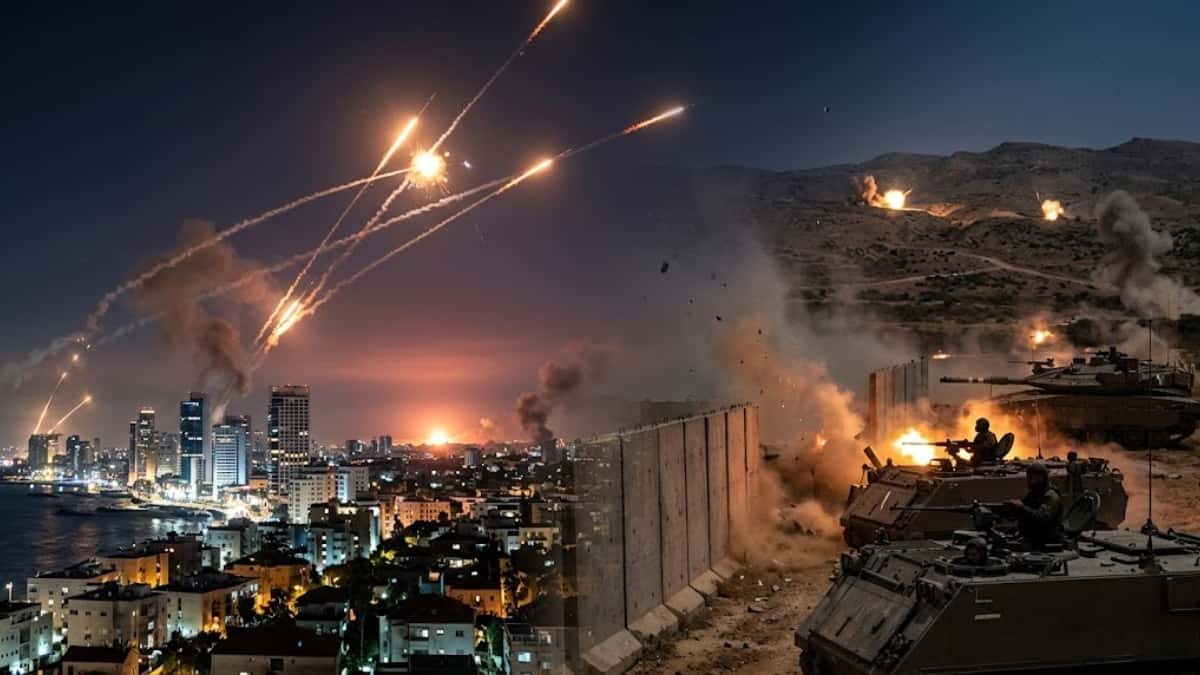
New Delhi, March 24, 2026: The US-Israel war against Iran entered a dangerous new phase on Tuesday as Iranian forces fired multiple waves of missiles toward Israel, with at least one ballistic missile striking central Tel Aviv and causing significant damage to residential buildings. Israeli air defense systems intercepted many incoming projectiles, but impacts were reported across the country, including injuries in Tel Aviv and southern areas.
Hezbollah, Iran’s ally in Lebanon, also claimed responsibility for dozens of rocket and drone attacks targeting Israeli military positions and towns in northern Israel. One woman was killed and at least two others wounded in northern Israel from Hezbollah rocket fire, according to Israeli reports.
The fresh strikes came despite US President Donald Trump’s announcement that the United States is pausing attacks on Iranian energy infrastructure for five days following what he described as “very good and productive conversations” with Iranian contacts. Trump said the pause would give time for possible negotiations to reopen the Strait of Hormuz and end the conflict.
Conflicting Signals from Washington and Tehran
Trump has issued several shifting statements in recent days. He first set a 48-hour deadline for Iran to fully reopen the Strait of Hormuz or face destruction of its power plants. Later, he extended the deadline by five days and claimed progress in talks. Iranian officials, including Parliament Speaker Mohammad Bagher Ghalibaf, have strongly denied any negotiations, calling Trump’s claims “fake news” aimed at manipulating oil and financial markets.
An Iranian source told media that while some indirect outreach from the US had occurred, no tangible peace talks were underway. Israel’s defense minister stated that military operations against Iran would continue “at full intensity” regardless of US diplomatic moves.
Iran Appoints Hardline New Security Chief
In a significant development, Iran appointed Mohammad Baqer Zolqadr, a veteran former Revolutionary Guards commander and hardline figure, as the new Secretary of the Supreme National Security Council. He replaces Ali Larijani, who was killed in recent Israeli strikes. The move is widely seen as a signal that Tehran intends to maintain a firm and resistant stance.
Saudi Arabia Pushes for Continued Action Against Iran
According to reports, Saudi Arabia has privately urged US President Trump to continue military pressure on Iran and even work toward removing its current government, describing the regime as a major threat to Gulf stability. Saudi air defenses intercepted Iranian drones targeting its oil-rich Eastern Province on Tuesday.
Gulf countries including Saudi Arabia, the UAE, Qatar, and Kuwait have faced repeated Iranian missile and drone attacks but have so far responded only defensively by intercepting threats with their advanced air defense systems. Analysts say the Gulf states are avoiding direct retaliation to prevent a wider regional war that could devastate their oil-dependent economies. They are instead supporting the US indirectly by providing bases and intelligence while pushing Washington to weaken Iran’s military capabilities before any ceasefire.
Oil Prices Surge Above $100 Again
Oil prices rose sharply back above $100 per barrel as the new wave of attacks raised fears of prolonged disruption to energy supplies and shipping through the Strait of Hormuz. The International Energy Agency has already warned of a “major, major threat” to the global economy.
The conflict, now in its fourth week, has caused heavy damage on both sides, including strikes on energy infrastructure in Iran and attacks on Hezbollah targets in Beirut and southern Lebanon by Israeli forces.
What’s Next?
Diplomatic efforts continue behind the scenes, with some reports suggesting Pakistan may be willing to host talks involving the US, Iran, and Israel. However, with fresh missile exchanges, leadership changes in Iran, and calls from Gulf states to keep up the pressure, the path to de-escalation remains highly uncertain.
The coming days will be critical in determining whether Trump’s five-day pause leads to any real breakthrough or if the violence continues to spiral.