
Bridging the Divide: Addressing the Critical Shortage of Deceased Organ Donation in India
India’s healthcare landscape achieved a landmark milestone in 2025, performing 20,138 organ transplants, and surpassing the 20,000-mark for the first time. This achievement has propelled India to the position of the world’s third-largest country in total organ transplants, following only the United States and China. Furthermore, India continues to maintain its global leadership in living donor organ transplants. However, a stark paradox remains: while living donations thrive, deceased (cadaveric) organ donation continues to be the nation's most significant challenge.
Currently, the rate of deceased donation stands at less than one donor per million people, creating a massive mismatch between the demand for organs and the available supply.
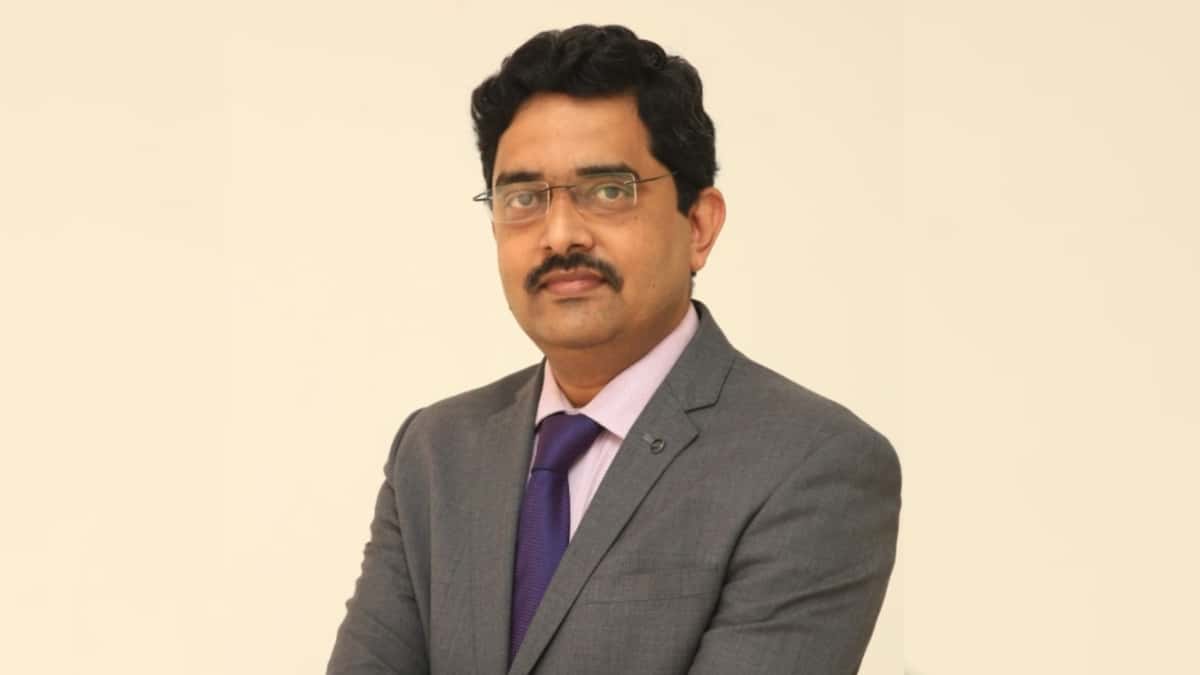
To better understand the barriers, misconceptions, and solutions surrounding cadaver organ donation in India, we spoke with a leading expert in the field about the current landscape and the way forward.
1. What are the most common myths and misconceptions you encounter when speaking to families about organ donation after brain death?
Socio-Cultural Barriers and the Trust Deficit
The primary drivers behind this shortage include a profound lack of public awareness and deep-seated cultural and religious myths. Many families hesitate to consent to donation due to fears of physical disfigurement before funeral rites, alongside superstitions regarding how a "mutilated" body might affect the soul or the cycle of rebirth.
Compounding these cultural concerns is a persistent distrust of the medical system. Families often worry about the potential for illegal organ trading or the premature declaration of death by medical staff. To safeguard against this, India employs a rigorous certification process: a brain-dead patient must be certified twice by a specialized team of four doctors, including a neurologist, to ensure the diagnosis is absolute. Despite these medical protocols, the combination of intense grief and the visual appearance of a patient on life support often leads families to refuse donation in the hope of a recovery.
2. Is the shortage of trained transplant coordinators one of the biggest operational challenges?
Systemic and Infrastructure Bottlenecks
Beyond social factors, significant infrastructure hurdles stall the progress of deceased donation. Only a small fraction of Indian hospitals possess the legal and medical capacity to identify, certify, and manage brain-dead donors. This is exacerbated by a critical shortage of trained transplant coordinators. These professionals are essential for the donation process, as they identify potential donors, provide empathetic grief counseling, and navigate the complex legal and ethical clearances required. In many hospitals, the absence of these coordinators acts as a major operational bottleneck, preventing potential donors from becoming "actual saves".
3. What are the three most important changes India needs to increase deceased organ donation?
A Roadmap for Future Improvement
To close the gap in organ donation, a multi-pronged approach is necessary:
-
Strengthening Infrastructure: Brain death certification should be mandated across all hospitals, and the number of non-transplant organ retrieval centers must be expanded.
-
Professional Training: Healthcare staff require specialized training in managing donors, and more hospitals must appoint certified counselors to support grieving families with clarity and empathy.
-
Enhancing Accessibility: Building advanced retrieval and transplant capabilities within government hospitals is vital to ensure that lower-income patients have access to affordable care.
-
Public Recognition: Building trust can be achieved by publicly honoring cadaveric donors and their families for their life-saving contributions.
4. What can an ordinary citizen do today if they want to become a deceased organ donor?
The Path Forward for Citizens
The potential for growth is immense. With over 1.70 lakh traffic fatalities occurring annually in India, a more systematic approach to deceased donation could save countless lives. On an individual level, citizens can make a difference by officially pledging their organs through the National Organ and Tissue Transplant Organization (NOTTO) or state registries such as the Transplant Authority of Tamil Nadu (TRANSTAN). Beyond signing a donor card, the most crucial step is for individuals to inform their families of their choice, ensuring that their life-saving wishes are respected and fulfilled.