
3 Years of Chandrayaan-3: How Vikram Lander Made India the First to Soft-Land Near Moon’s South Pole
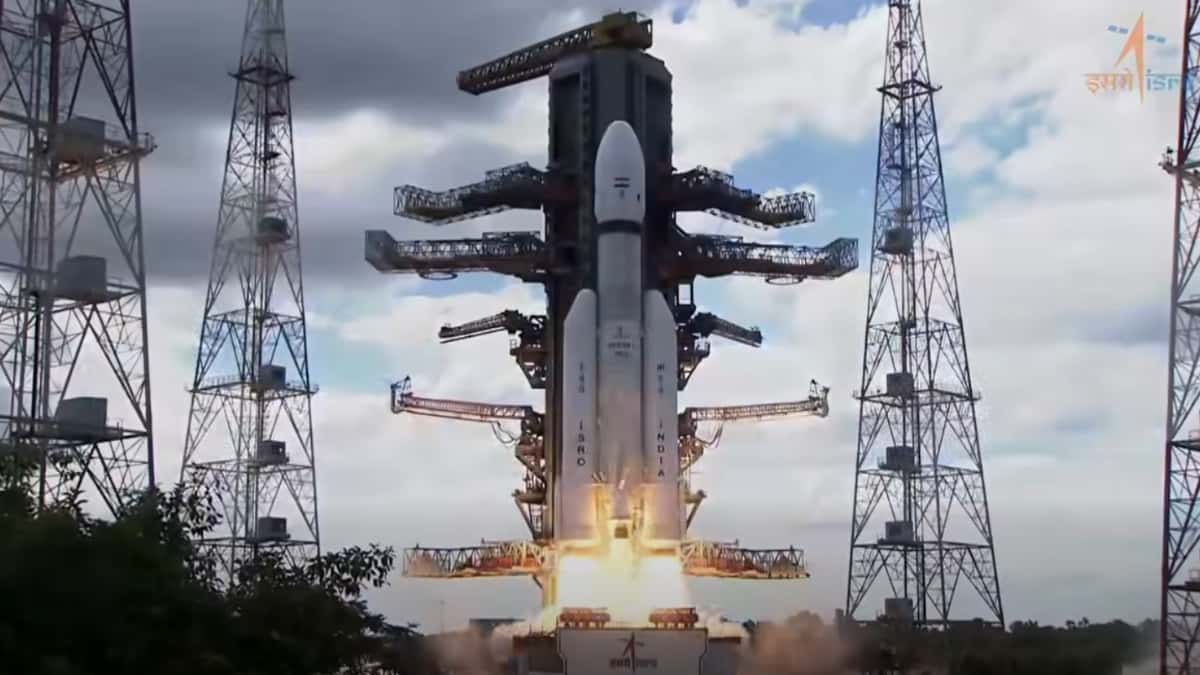
On 23 August 2023, India scripted history.
Chandrayaan-3’s Vikram Lander successfully soft-landed near the Moon’s south polar region, making India the first country in the world to achieve this feat and only the fourth nation overall to soft-land on the lunar surface.
Three years later, on National Space Day 2026, the nation once again remembers that proud moment.
The Historic Landing
After a carefully planned powered descent, the Vikram Lander touched down at a site later named Shiv Shakti Point.
The landing proved India’s ability to operate with high precision in one of the most challenging regions of the Moon — an area marked by rough terrain, extreme temperatures and permanently shadowed craters that may contain water ice.
ISRO described the achievement as a milestone of “ingenuity, precision and resolve.”
Why the South Polar Region Matters
Most previous lunar landings had taken place near the equator.
The south polar region is scientifically important because:
-
It may hold water ice in permanently shadowed areas
-
It offers unique insights into the Moon’s geology and thermal environment
-
It is considered a key location for future long-term lunar exploration and possible human presence
Chandrayaan-3 became the first mission to successfully soft-land and operate a rover (Pragyan) in this region.
A Moment That United the Nation
On the evening of 23 August 2023, millions of Indians watched the live telecast as the lander made contact with the lunar surface.
The successful touchdown was celebrated across the country and recognised globally as a major achievement for India’s space programme.
Looking Ahead on National Space Day 2026
As India observes the third National Space Day on 23 August 2026 under the theme “Towards Viksit Bharat – Innovating, Collaborating and Aspiring to Global Space Leadership,” the success of Chandrayaan-3 continues to inspire future missions, including Gaganyaan and further lunar exploration.
Three years on, the soft landing of Vikram remains a shining example of what Indian science and technology can achieve.