
Cabinet Approves ₹10,000 Crore ATF Fund: Big Relief for Indian Airlines Amid Fuel Crisis
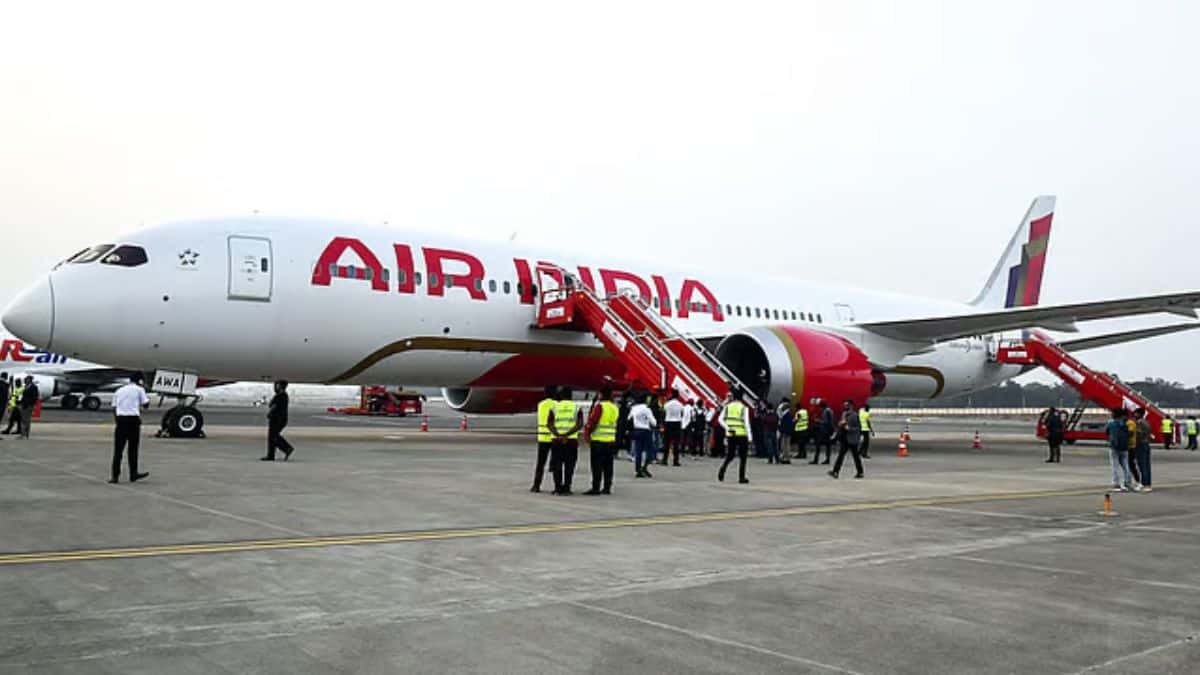
New Delhi, June 3, 2026: In a major boost to India’s aviation sector, the Union Cabinet chaired by Prime Minister Narendra Modi has approved a one-time budgetary support of up to ₹10,000 crore for Oil Marketing Companies (OMCs) to stabilise Aviation Turbine Fuel (ATF) prices for scheduled Indian airlines.
This timely intervention comes amid severe global fuel price volatility caused by the ongoing West Asia crisis and aims to prevent sharp increases in airfares while ensuring uninterrupted flight operations.
Key Highlights of the ATF Price Stabilisation Scheme
-
Interest-Free Advance: OMCs will receive up to ₹10,000 crore as interest-free budgetary support to cover losses when international ATF prices rise sharply.
-
Fixed Price Mechanism: Airlines will get greater predictability through a fixed-price arrangement for both domestic and international operations.
-
Duration: The scheme will run for 36 months (with annual review) or until the full amount is recovered, whichever is earlier.
-
Exclusive ATF Supply: Participating airlines must procure ATF only from Indian OMCs for up to three years under an MoU.
-
Recovery Clause: When global prices fall, the differential amount will be recovered from OMCs and returned to the government.
-
Monitoring: A high-level committee from Ministries of Civil Aviation, Petroleum, and Expenditure will monitor implementation, with full audit oversight.
The scheme covers all scheduled Indian carriers for both domestic and international flights.
Major Benefits of the Move
-
For Passengers: Will help moderate airfare volatility by reducing the direct pass-through of high fuel costs.
-
For Airlines: Provides stability in one of their biggest operating expenses (ATF accounts for nearly 40-60% of costs).
-
For Jobs: Protects 77 lakh jobs across airlines, airports, MROs, hospitality, and related sectors.
-
For Economy: Ensures continued air connectivity to Tier-2, Tier-3, and remote cities, supporting tourism, trade, and regional development.
-
For Infrastructure: Safeguards massive public investment in airports developed under UDAN and other schemes.
-
Why This Decision Was Urgent
International ATF prices have surged dramatically — from ₹60.50 per litre in March 2026 to ₹142 per litre in May 2026 — nearly 2.5 times higher.
The closure of Pakistan airspace has further increased fuel consumption for Indian carriers on long-haul routes to Europe, North America, and Central Asia. Without support, many airlines were facing serious financial pressure, leading to reduced international services and higher fares.
This fund allows OMCs to continue supplying ATF at stable rates without incurring unsustainable losses.
Expected Outcomes
The government expects this mechanism to bring much-needed predictability to airline operations, shield OMCs from extreme volatility, and maintain strong domestic and international air connectivity. It will also support broader economic growth through sustained tourism, business travel, and cargo movement.
Union Minister Hardeep Singh Puri had earlier highlighted that Indian OMCs have so far kept price adjustments minimal despite global pressures, reflecting the government’s focus on protecting both consumers and the industry.
This proactive step reinforces India’s commitment to maintaining a stable and affordable aviation ecosystem even during challenging global conditions.