
CARI Bengaluru Becomes First CCRAS Institute with ISO 15189:2022 Accreditation in Biochemistry & Haematology
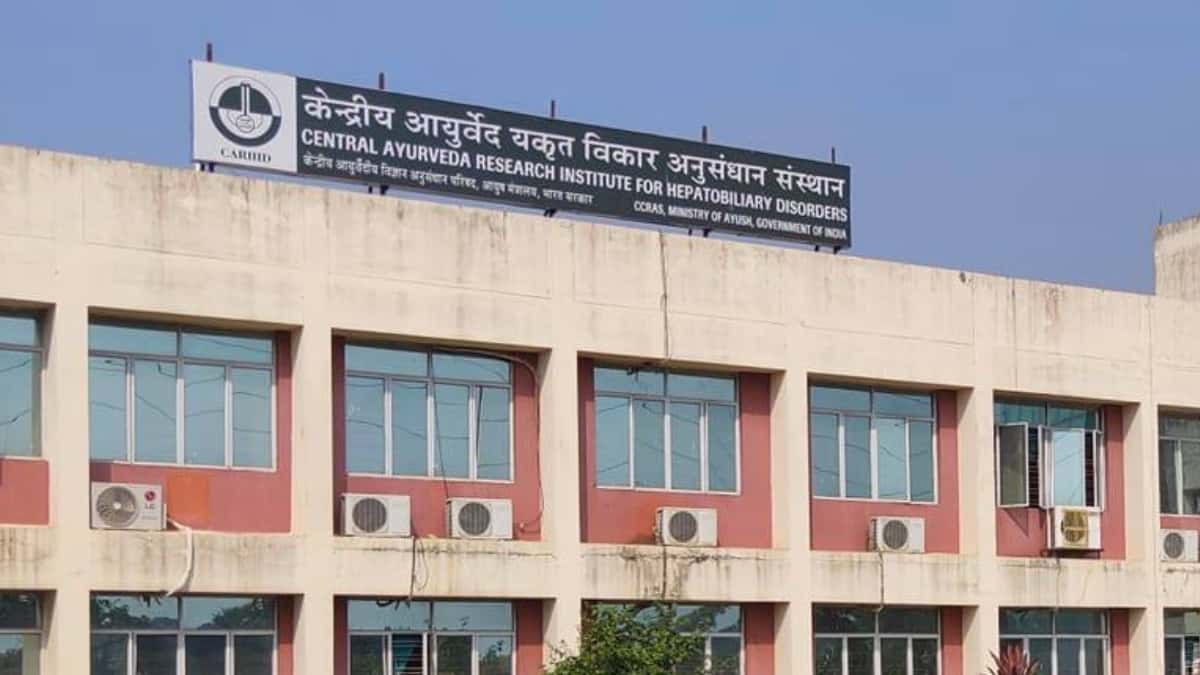
Bengaluru: In a major boost to quality-driven healthcare under the Ayush ecosystem, the Clinical Laboratory at the Central Ayurveda Research Institute (CARI), Bengaluru has achieved ISO 15189:2022 accreditation in both Biochemistry and Haematology. The recognition makes it the first institute under the Central Council for Research in Ayurvedic Sciences (CCRAS) to earn this global distinction.
The milestone highlights the growing emphasis on evidence-based diagnostics within the Ministry of Ayush, strengthening patient trust and positioning Ayush healthcare as a reliable, quality-assured system.
A Step Toward Global Quality Standards
Minister of State (Independent Charge) for Ayush, Prataprao Jadhav, said the accreditation ensures patients receive precise and reliable diagnostic services aligned with international standards. According to him, the achievement reflects the Ministry’s commitment to transforming Ayush infrastructure into a benchmark of quality healthcare.
Echoing this sentiment, Ayush Secretary Rajesh Kotecha described the recognition as a landmark step in integrating advanced diagnostics with traditional medicine, reinforcing evidence-based practice and patient-centric care.
NABL Accreditation for 50 Test Parameters
CARI’s laboratory now holds accreditation from the National Accreditation Board for Testing and Calibration Laboratories (NABL) for 50 diagnostic parameters across Biochemistry and Haematology. These include key tests such as:
- Blood glucose and HbA1c
- Liver and kidney function tests
- Lipid and thyroid profiles
- Electrolyte analysis
- Complete blood counts
The lab conducts more than 1.52 lakh tests annually, serving over 9,300 patients, demonstrating rapid growth in diagnostic capacity.
Strengthening Research and Clinical Excellence
Director General of CCRAS, Rabinarayan Acharya, highlighted that the institute’s accreditation builds on earlier recognitions from the National Accreditation Board for Hospitals & Healthcare Providers (NABH) and ongoing progress toward certification from the Bureau of Indian Standards (BIS).
He noted that these developments elevate Ayurveda research and innovation to higher levels of scientific rigor and excellence.
CARI Head Sulochana Bhat called the achievement a proud milestone, crediting the institute’s team for strengthening reliable, patient-focused diagnostic services.
Rapid Growth in Services and Patient Trust
The institute has witnessed remarkable expansion in recent years:
- OPD footfall rose from 18,918 in 2021 to over 51,300 in 2026
- Lab investigations surged from 2,770 to over 1.55 lakh
- Panchakarma and para-surgical procedures increased nearly 20-fold
- Inpatient services launched in July 2024 are now near full occupancy
Patients now benefit from digital reporting via SMS, email, and WhatsApp, ensuring faster turnaround and improved accessibility.
From Entry-Level Certification to Centre of Excellence
CARI’s journey began with a single semi-automated analyser and progressed to fully automated systems under the Ministry’s Centre of Excellence scheme. After achieving NABL entry-level certification in 2022, the laboratory upgraded its quality systems to meet stringent ISO 15189:2022 requirements.
The institute plans to expand accredited tests further, aiming to deliver more comprehensive and affordable healthcare services while strengthening Ayurveda-based research and integrative medicine.
Bottom Line:
CARI Bengaluru’s ISO 15189:2022 accreditation marks a pivotal moment for Ayush diagnostics, setting new standards for quality, reliability, and scientific integration in traditional healthcare.