
Govt Approves One Billion Each of ₹10 and ₹20 Polymer Banknotes for Field Trials
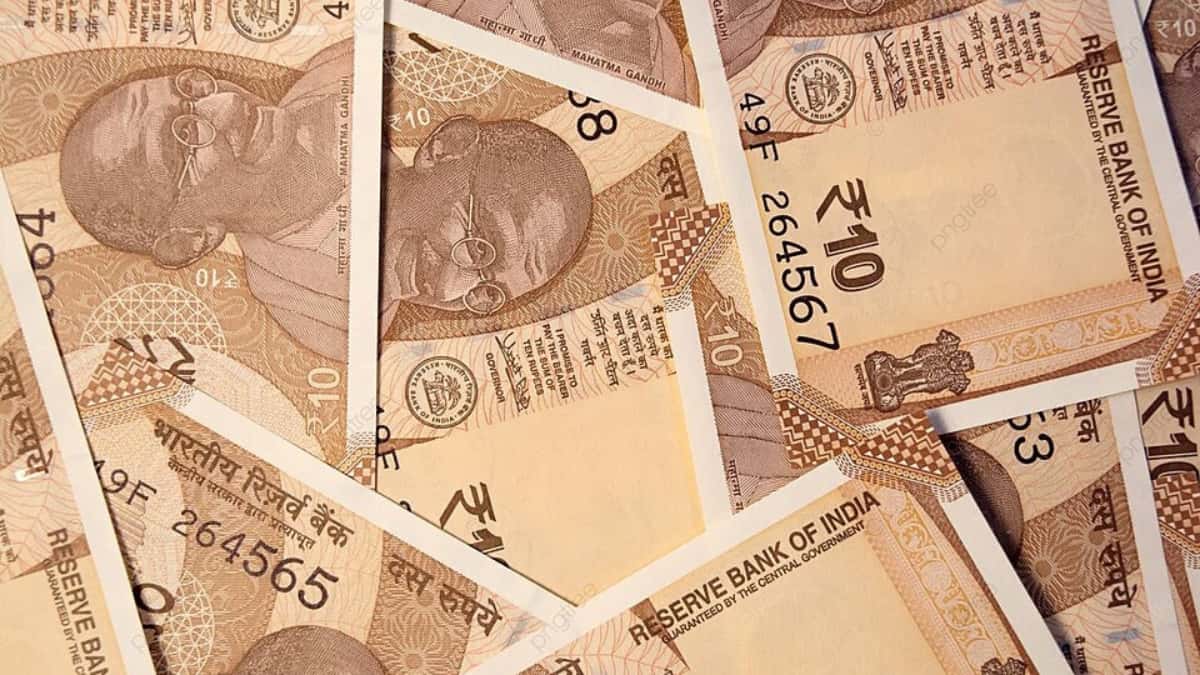
New Delhi: The central government has approved the Reserve Bank of India’s proposal to introduce one billion polymer banknotes each in the ₹10 and ₹20 denominations for field trials, Finance Minister Nirmala Sitharaman informed the Rajya Sabha on Tuesday (August 11, 2026).
The RBI, acting on the recommendation of its Central Board, had submitted the proposal under Section 25 of the Reserve Bank of India Act, 1934. It sought permission for field trials of one billion pieces each of the two denominations, followed by regular issuance of polymer notes in these denominations if the trials succeed.
“The proposal has been approved by the government. As per the RBI, these polymer banknotes are proposed to be issued along with paper substrate-based banknotes,” Sitharaman said in a written reply.
The RBI has indicated that the procurement process is still at an initial stage. As a result, no exact timeline for the introduction of the notes or the expenditure involved can be determined at present.
The same approval was earlier confirmed in the Lok Sabha in late July by Minister of State for Finance Pankaj Chaudhary. Both parliamentary replies make it clear that there is no plan to replace existing paper currency with polymer notes. The new notes, if rolled out after successful trials, will circulate alongside conventional paper-based banknotes.
Polymer notes are made from a plastic substrate (typically biaxially oriented polypropylene) and are known for greater durability than traditional cotton-paper notes. International studies cited by the RBI show they last significantly longer, which is particularly relevant for lower-denomination notes that change hands frequently and wear out faster. Countries including Australia, Canada, the UK and several others already use polymer currency.
India had explored polymer notes earlier (including a limited experiment around 2012), but the current move marks a formal step toward testing them under Indian climatic and usage conditions. The RBI’s currency printing subsidiary, Bharatiya Reserve Bank Note Mudran Private Limited (BRBNMPL), had floated a global expression of interest for polymer substrate earlier, and the tender process is underway.
RBI Governor Sanjay Malhotra has separately indicated that, subject to successful trials and operational assessment, the notes could enter circulation around the beginning of the next financial year (FY28). The central bank has stressed that the project remains at the pilot stage and that any wider rollout will depend on performance data.
Officials have also noted that banknotes and digital payments are complementary tools. Any impact of polymer notes on digital adoption can be assessed only after regular issuance, the government has said.
The approval covers a total of two billion pieces (one billion each of ₹10 and ₹20) for the trial phase. These lower-value notes account for a significant share of currency volume in circulation but a much smaller share of total value, making them a logical starting point for durability testing.
As of now, the process remains early-stage. The government and RBI will evaluate results from the field trials before deciding on regular issuance. Paper currency will continue to be printed and circulated in parallel.
This report is based on official parliamentary replies by the Finance Minister and Minister of State for Finance, cross-checked with multiple contemporary news reports from August and July 2026.