
AC Maintenance Checklist: How to Avoid Common Breakdowns and Save on Repairs
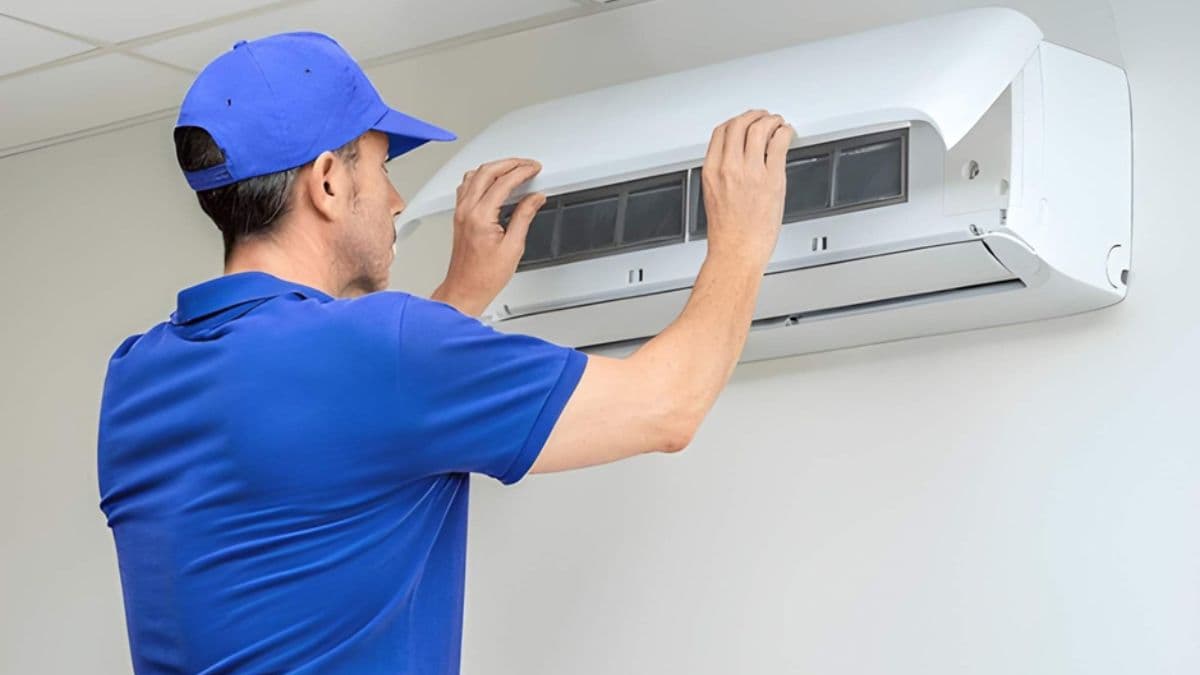
As temperatures soar across India, your air conditioner becomes more than just a comfort device - it's an absolute necessity. Yet, many homeowners discover their AC unit failing precisely when they need it most. The good news? Most breakdowns are preventable with proper maintenance. Whether you have a window AC or a split AC, regular upkeep can extend the unit's lifespan by years, reduce energy bills by up to 15%, and avoid costly emergency repairs during peak summer months.
This guide will walk you through important maintenance tasks that every homeowner can perform to keep their cooling system running efficiently, along with saving money on repairs and electricity consumption.
Common Reasons Air Conditioners Break Down
Here are a few reasons why ACs can break down:
- Lack of regular maintenance: Dirty or clogged filters restrict airflow and force the AC to work harder.
- Compressor burnout: Continuous strain from poor airflow or neglected servicing can damage the compressor.
- Refrigerant leaks: Damaged coils or aging systems can cause refrigerant leakage. This can reduce cooling efficiency and affect compressor performance.
- Low refrigerant levels: Insufficient refrigerant decreases the AC’s ability to cool properly and can lead to long-term system damage.
- Electrical issues: Problems such as faulty wiring, capacitor failures, or thermostat malfunctions can stop the AC from functioning correctly.
- Outdoor unit exposure: Debris, dust, plants, or harsh weather conditions around the outdoor unit can accelerate wear and reduce efficiency.
- Improper window AC installation: Gaps around the unit or incorrect fitting can cause water leakage and reduce cooling performance.
Basic AC Maintenance Checklist Every Homeowner Should Follow
Maintaining your air conditioner doesn't require technical expertise. These tasks can be performed easily, so let’s understand them one by one.
Cleaning or Replacing AC Filters
Your AC filter is the first line of defence against dust, pollen, and airborne particles. For homes where dust levels can be particularly high, filters need attention every two to three weeks when used frequently.
- Remove the filter and inspect it under good lighting.
- Washable filters can be cleaned with mild detergent and water. Disposable filters should be replaced when they appear grey or clogged.
- Never run your AC without a filter, as this allows dust to accumulate on internal components.
- Clean filters improve airflow, enhance cooling performance, and can reduce energy consumption by 5-15%.
Keeping the Outdoor Unit Clean and Unobstructed
The outdoor condenser unit needs adequate airflow to dissipate heat effectively.
- Gently clean the condenser fins using a soft brush or vacuum cleaner with a brush attachment. Avoid bending these delicate aluminium fins.
- For window AC units, ensure the exterior portion remains free from obstructions and check that drain holes aren't blocked.
Checking Airflow and Room Ventilation
Proper airflow is important for efficient cooling. Stand in front of your inverter AC vents and assess the air output. Weak airflow can be an indication of dirty filters, blocked ducts, or failing fans. Ensure all vents are open and unobstructed by furniture or curtains.
Inspecting the Thermostat and Temperature Settings
Your AC temperature setting directly affects how long the compressor runs during each cooling cycle. During routine checks, adjust the temperature slightly using the remote and confirm that the unit responds correctly. If the AC continues running without reaching the set temperature, the sensor or control settings might be damaged.
For most Indian homes, a setting between 24°C and 26°C provides comfortable cooling. Lower temperature settings force the compressor to run longer, which increases power consumption during long summers.
Monitoring Unusual Noise, Odour, or Cooling Changes
Listen for unusual sounds such as grinding, squealing, or rattling, which may indicate loose components or debris in the unit. Musty or burning odours require immediate attention, as it can be a sign of mould growth or electrical issues.
Seasonal AC Maintenance Before Summer
Preparing your air conditioner before the intense summer heat arrives is crucial for reliable performance. Begin your seasonal maintenance at least two to three weeks before temperatures rise significantly.
- Start with a thorough cleaning of all accessible components, including filters, coils, and the outdoor unit.
- Inspect the power cord and plug for any damage and test the unit's operation across different settings.
- For window AC units, check the seal around the installation to ensure no gaps exist.
- Examine the condensate drain line and clear any blockages to prevent water damage.
- If your unit has been idle for months, run it for 15-20 minutes on fan mode before switching to cooling.
Schedule professional servicing during this pre-summer period as well. Technicians are less busy before peak season. They offer better rates and more flexible appointment times.
When to Call a Professional for AC Servicing?
Many maintenance tasks are DIY-friendly, but certain situations need professional expertise. Call a qualified technician immediately if you notice refrigerant leaks, indicated by ice formation on the coils or hissing sounds. Refrigerant handling requires specialised equipment and certification.
Electrical problems like frequent circuit breaker trips, burning smells, or complete system failure need expert attention for safety reasons. Similarly, if your AC produces warm air despite proper settings, or if water leaks inside your home, professional diagnosis is necessary.
Even without obvious problems, schedule professional servicing annually. Technicians can perform tasks beyond general inspection, such as measuring refrigerant pressure, testing electrical components, and deep cleaning internal coils. This annual investment typically costs between ₹500 and ₹ 1,500 but can prevent repairs costing tens of thousands of rupees.
Conclusion
Maintaining your air conditioner needn't be complicated or time-consuming. By following this checklist and dedicating some time monthly, you'll enjoy reliable cooling performance, lower energy bills, and fewer unexpected breakdowns.
Regular upkeep improves performance, but choosing a system built for long-term reliability also plays a role. Brands like Voltas offer air conditioners designed to handle demanding summer conditions with stable operation.
Clean filters regularly, keep your outdoor unit clear, monitor performance changes, and don't hesitate to call professionals when needed. With proper care, your air conditioner will serve you efficiently for 10-15 years or more, providing cool comfort throughout India's demanding summers and keeping your electricity costs manageable.