
India crosses historic 300 GW Non-Fossil fuel power generation capacity
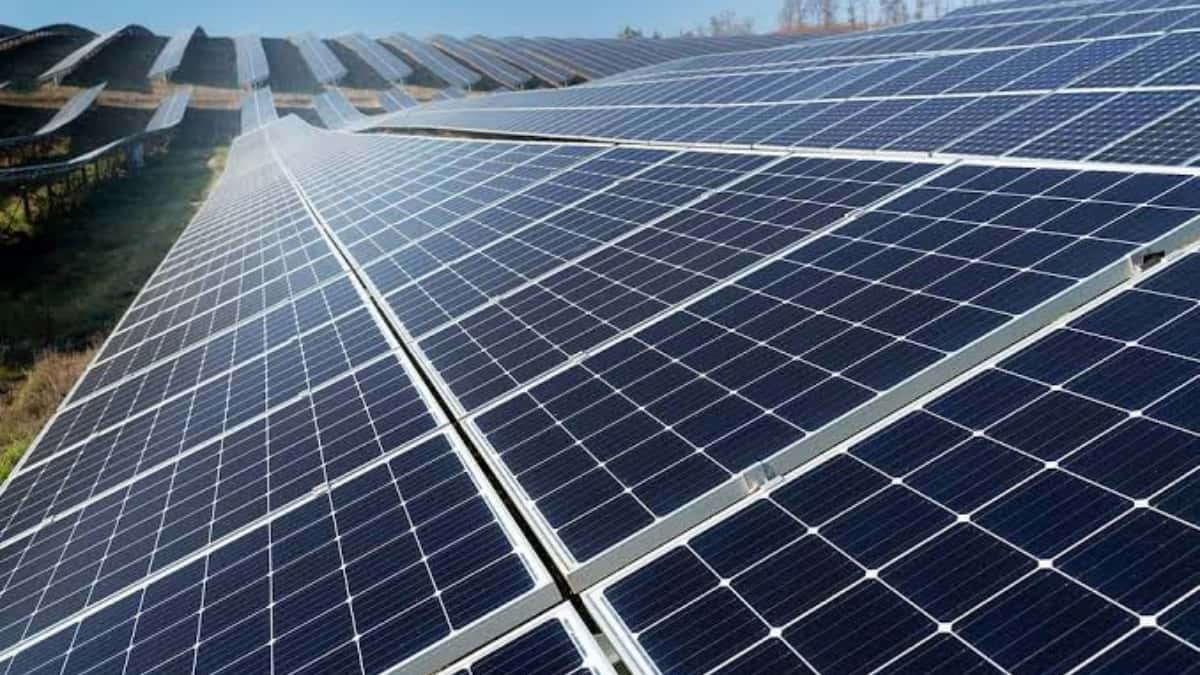
India has reached 300 GW of non-fossil fuel-based electricity generation capacity as of July 31, 2026, surpassing the target of 500 GW by 2030. This marks a significant milestone for the country's clean energy transition and climate action goals. Non-fossil fuel electricity capacity now accounts for more than 54% of the country's total electricity generation capacity (approximately 552 GW).
With the government's support, India has made significant progress toward establishing a Make in India energy ecosystem and achieving the goal of 500 GW non-fossil capacity by 2030. The increase in clean energy generation has been fueled by outstanding contributions from various sectors.
Solar energy remains a key growth engine, with around 165 GW now, up from 2.8 GW in 2014. Concurrently, the wind energy sector has grown significantly, reaching more than 58 GW from 21 GW in 2014.
During 2025-26, the country installed a record 55.29 GW of non-fossil fuel-based electricity capacity, with 44.6 GW coming from solar and 6 GW from wind. The country's rapid progress in renewable energy capacity is reflected in its renewable energy generation, which has increased from 190.96 billion units in 2014-15 to 477.79 billion units in 2025-26.
To support this rapid growth and maintain supply chain independence, India has transformed its domestic manufacturing capabilities. Driven by the Production Linked Incentive (PLI) scheme, which focuses on the nation's solar installations with high-efficiency, indigenously produced modules, the enlisted capacity under the Approved List of Models and Manufacturers (ALMM) for solar PV modules has surpassed the historic 200 GW mark, up from 2.3 GW in 2014.
The clean energy transition is more than just a climate commitment; it is critical to shaping India's industrial competitiveness, energy independence, and economic resilience. The Ministry of New and Renewable Energy is also driving deep industrial decarbonization, with the National Green Hydrogen Mission aiming to position India as a global hub for the production, use, and export of green hydrogen and its derivatives.