
India Joins Elite Club as DRDO Successfully Tests Ballistic Missile Defence System
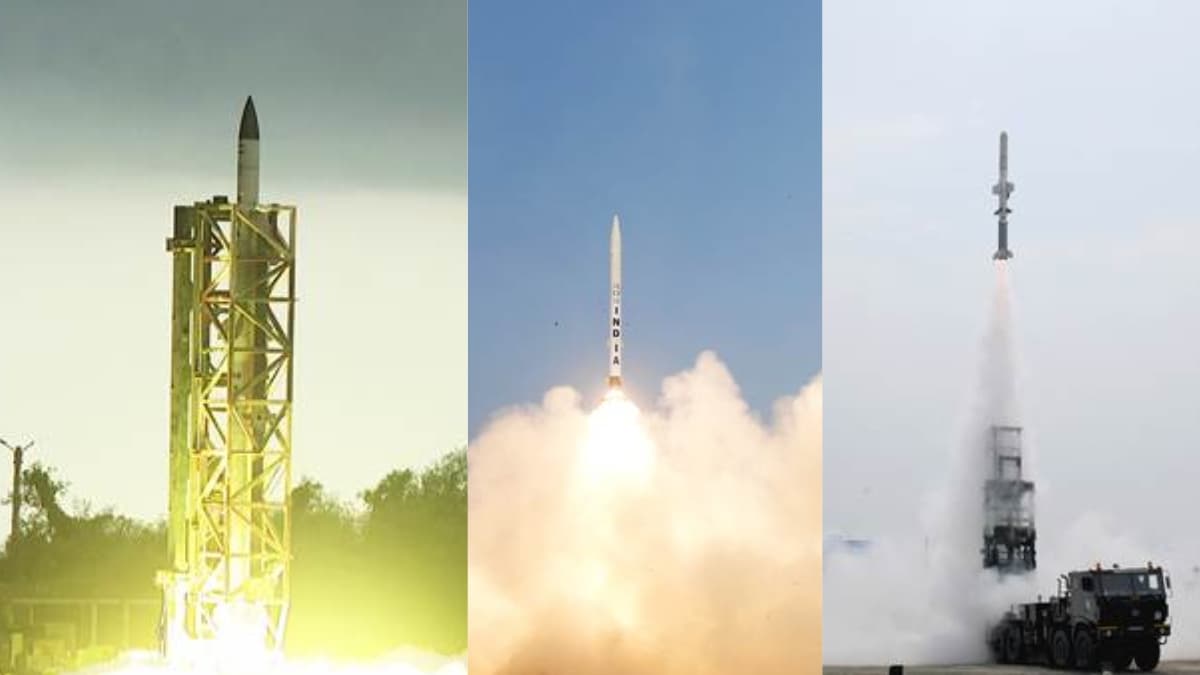
New Delhi, June 13, 2026: In a major milestone for India's indigenous defence capabilities, the Defence Research and Development Organisation (DRDO) has successfully carried out three consecutive flight tests showcasing advanced technologies designed to counter emerging threats.
The tests, conducted on June 10 and 11, demonstrated India's growing capabilities in missile interception and maritime warfare, further strengthening the country's strategic defence architecture.
Multi-Layered Ballistic Missile Defence System Successfully Validated
One of the key highlights of the trials was the successful demonstration of India's multi-layered Ballistic Missile Defence (BMD) capability.
During the tests, interceptor missiles successfully engaged and neutralized their designated targets, validating the effectiveness of systems developed to tackle long-range missile threats.
According to DRDO, the successful demonstrations place India among a select group of countries possessing the capability to intercept threats up to the level of Intercontinental Ballistic Missiles (ICBMs).
Why the Ballistic Missile Defence System Matters
Modern missile threats have become increasingly sophisticated and can travel thousands of kilometres at extremely high speeds. A multi-layered BMD system creates defensive shields capable of detecting, tracking, and intercepting hostile missiles before they reach their targets.
Such capabilities are considered critical for national security and strategic deterrence.
Maiden Flight Test of Naval Anti-Ship Missile-Medium Range Successful
Apart from the BMD trials, DRDO also successfully conducted the first flight test of the Naval Anti-Ship Missile-Medium Range (NASM-MR).
The missile is designed to enhance India's maritime strike capability by providing the armed forces with an advanced system to engage hostile warships at medium ranges.
The successful maiden test marks another step towards strengthening indigenous defence technologies and reducing dependence on foreign systems.
Senior Defence Officials Witnessed the Trials
The demonstrations were witnessed by senior officials of DRDO and the Armed Forces.
Defence Minister Rajnath Singh congratulated scientists and engineers associated with the programme and described the achievement as a significant boost to India's defence preparedness.
Secretary, Department of Defence R&D and Chairman, DRDO, Rajesh Kumar Singh, closely monitored the trials and praised the collective efforts of DRDO teams and industry partners involved in the development of these systems.
Boost to India's Self-Reliance in Defence
The successful tests underline India's continued progress towards defence self-reliance under the broader push for indigenous technology development.
The achievements are expected to strengthen:
-
Strategic deterrence capability;
-
Multi-layered air and missile defence architecture;
-
Maritime warfare preparedness;
-
Indigenous defence manufacturing ecosystem;
-
National security against evolving threats.
What Makes This Achievement Significant?
Only a handful of countries possess advanced missile interception capabilities capable of dealing with long-range ballistic threats. India's successful demonstration highlights the increasing maturity of its indigenous defence research and positions the country among technologically advanced nations in this domain.
As geopolitical and security challenges evolve, such systems are expected to play an increasingly important role in safeguarding strategic assets and enhancing overall defence readiness.