
India Opens Tactical Missile Production to Private Sector Under DAP 2026
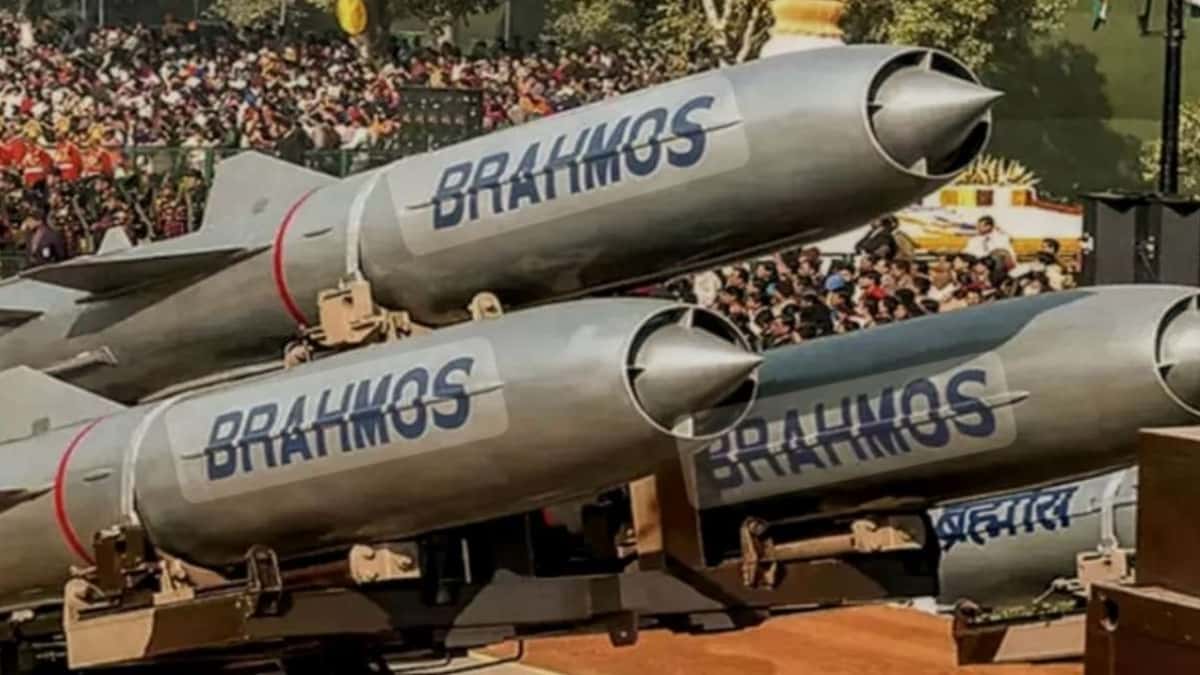
New Delhi, June 23, 2026: India is quietly rewriting the rules of how it builds its most critical battlefield weapons. In a major policy shift, the government is opening the doors for private companies to play a bigger role in tactical missile development and production under the upcoming Defence Acquisition Procedure (DAP) 2026. This change aims to move beyond traditional public sector dominance and create a faster, more resilient defence manufacturing base.
From Single Manufacturer to a Strong Ecosystem
For decades, India’s tactical missile programme followed a clear path: DRDO designed the systems and Bharat Dynamics Limited (BDL) handled most of the manufacturing. This approach worked well and helped the country achieve self-reliance in systems like Akash, Astra, and others.
But today’s security challenges demand something more. Modern conflicts have shown that precision missiles are used in large numbers, not just for special operations. Quick replenishment, regular upgrades, and the ability to scale production during tensions have become essential. Relying on one main manufacturer can create limitations when volumes are high.
The draft DAP 2026 addresses this by promoting the Development-cum-Production Partner (DcPP) model. Under this, private companies will work directly with DRDO on prototype development, testing, and eventual large-scale manufacturing of tactical missiles.
Private Players Entering the Game
Companies such as Adani Defence & Aerospace, Bharat Forge, ICOMM, and Solar Defence and Aerospace are expected to take on bigger responsibilities. These firms will not replace BDL or other public sector units — instead, they will work alongside them. The idea is to combine the strengths of everyone: public sector experience with private sector innovation, speed, and scale.
This partnership model includes strict checks — prototypes must be tested thoroughly, quality standards must be met, and sensitive technologies will remain protected. The goal is healthy competition that benefits the armed forces without compromising national security.
Why This Change is Important Now
-
Battlefield Lessons: Conflicts in Ukraine and West Asia have proved that precision-guided munitions are consumed rapidly. India needs surge capacity.
-
Border Realities: With challenges on multiple fronts, the armed forces require reliable supplies of short-to-medium range missiles for air defence, anti-tank roles, and ground strikes.
-
Atmanirbhar Push: The reform strengthens indigenous design ownership and reduces long-term dependence on limited production lines.
-
Future-Ready Force: Talks about a dedicated rocket or missile force make industrial depth even more necessary.
Balanced Approach to Reform
Defence experts say this is not about replacing the public sector but expanding the entire ecosystem. BDL will continue to play a major role due to its experience and infrastructure. Private players bring fresh ideas, better project management, and the ability to invest in modern manufacturing.
Challenges remain — maintaining world-class quality, technology security, and smooth coordination between multiple partners. The policy includes strong oversight mechanisms to address these issues.
A Step Towards a Stronger Defence Industry
This move is part of a bigger vision to make India a global defence manufacturing hub. By encouraging more players in critical areas like missiles, the country is building not just weapons, but a mature industrial base that can innovate continuously and support exports in the future.
As the draft DAP 2026 moves forward, it signals India’s confidence in its growing private defence sector while keeping strategic control firmly in place.
About the Development The Defence Acquisition Procedure 2026 is expected to bring faster acquisitions, greater focus on Indian intellectual property, and deeper industrial participation in the years ahead.