
ISRO's Powerful Bahubali LVM3 Rocket–The Chandrayaan-3 Launcher – Is Heading to Private Industry: Full Details on the Historic Handover
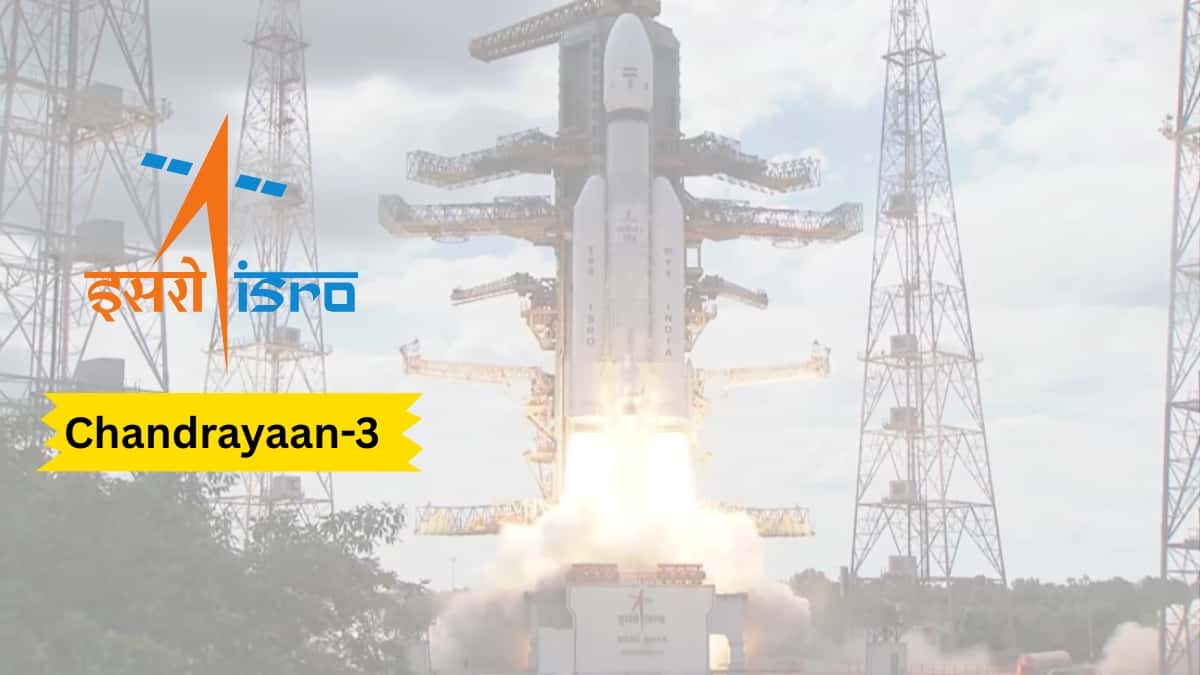
Sriharikota: The LVM3, affectionately called Bahubali for its massive power, achieved global acclaim by successfully launching Chandrayaan-3 to the Moon's south pole in 2023. Now, in a significant development announced in June 2026, this proven heavy-lift rocket is moving toward private sector leadership through a formal technology transfer process.
This is not a sudden "takeover" but a structured initiative by the Indian National Space Promotion and Authorisation Centre (IN-SPACe) to invite Expressions of Interest (EOI) from capable Indian private companies. The goal? Enable end-to-end manufacturing, operations, and commercialization while ISRO focuses on next-generation missions.
What Exactly is Happening with LVM3?
IN-SPACe has officially invited eligible private Indian entities (companies or consortia) to acquire full Technology Transfer (ToT) of the Launch Vehicle Mark-3 (LVM3). The selected partner will be responsible for:
-
Manufacturing and assembly of the rocket
-
Conducting launch operations
-
Marketing and providing commercial launch services
ISRO will provide comprehensive handholding support, including technical expertise and infrastructure access, for up to 42 months or until the private entity successfully builds and launches two LVM3 vehicles, whichever comes first.
This builds on ISRO's earlier efforts with PSLV and SSLV, aiming to dramatically increase launch frequency and reduce costs through industrial-scale production.
Key Timelines You Should Know (As of June 2026)
-
Registration deadline for Pre-EOI Conference: 29 June 2026
-
Pre-EOI Conference: 15 July 2026 (Ahmedabad)
-
EOI Submission Deadline: 07 August 2026
These dates ensure interested parties get clarity directly from officials before submitting proposals.
LVM3: A Proven Performer
The LVM3 is ISRO's most powerful operational launcher:
-
Height: ~43.43 meters
-
Liftoff mass: ~640 tonnes
-
Payload capacity: ~4,200 kg to GTO | Up to 10,000 kg to LEO
-
Stages: Two S200 solid boosters, L110 liquid core, and C25 cryogenic upper stage with the CE-20 engine
It has a perfect success record in its missions, including Chandrayaan-2 and Chandrayaan-3 lunar missions, OneWeb satellite deployments, and other commercial payloads. Its reliability makes it an attractive asset for private commercialization.
Who Can Participate? Strict but Fair Eligibility
Only serious players need apply. Key requirements include:
-
Indian-owned private entity operational for at least 7 years
-
Minimum 5 years experience in space or aerospace
-
Strong financials: Average annual turnover > ₹800 crore (in 3 of last 5 years) or valuation ≥ ₹2,000 crore
-
Proven track record in large multidisciplinary projects
This ensures the transition maintains the high safety and reliability standards ISRO is known for.
A Strategic Win for India's Space Ambitions
By handing over a mature, flight-proven system like LVM3 to industry, ISRO can concentrate on ambitious programs such as Gaganyaan (human spaceflight), future lunar missions, and Venus exploration. For the private sector, this opens a pathway to compete in the global heavy-lift launch market, create high-skilled jobs, and strengthen India's position in the rapidly growing space economy.
Private companies have already contributed significantly to LVM3 components in past missions. This step deepens that collaboration, aligning with the National Space Policy's vision of a vibrant public-private ecosystem.
Note: The human-rated version for Gaganyaan may involve specific arrangements, with ISRO likely retaining oversight for crewed missions initially.
What to Expect Next
Once EoIs are evaluated, the selected entity (or entities) will begin the technology absorption process. Successful implementation could lead to more frequent, cost-effective Indian launches, benefiting both national missions and international customers.
This development reflects confidence in India's private space industry and marks another milestone in the country's journey from a space aspirant to a global space leader.