
PM Modi Assures India Fully Prepared for West Asia War: 53 Lakh MT Oil Reserves Ready, LPG Ships Safe Through Hormuz
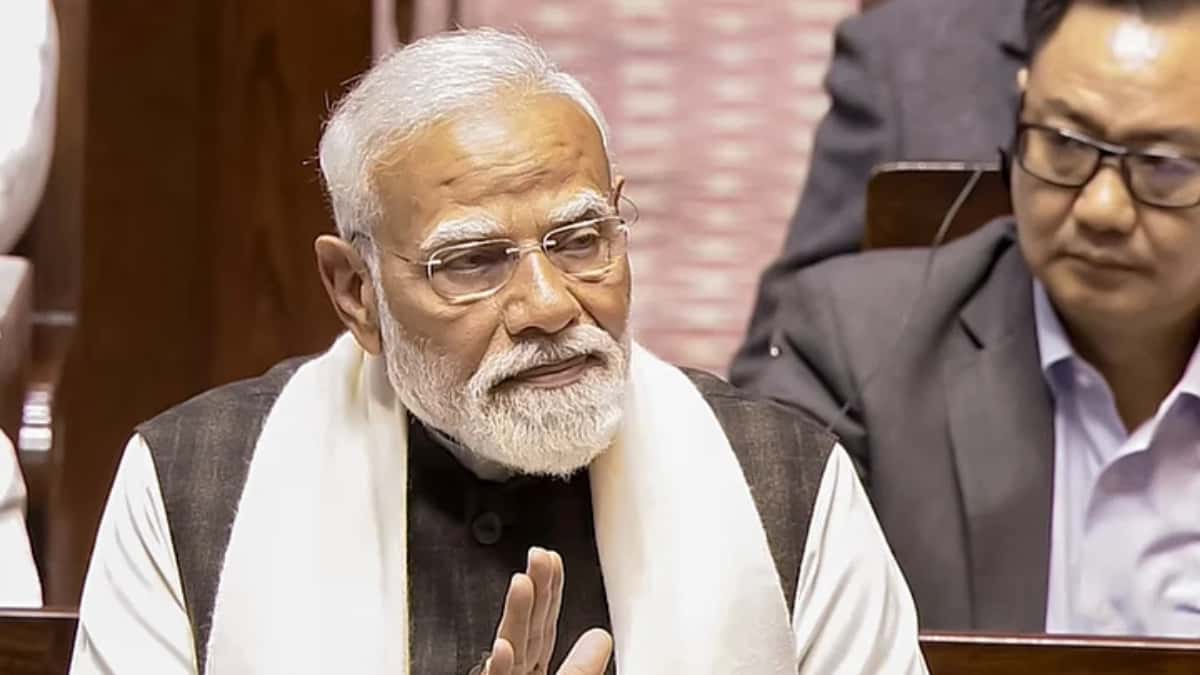
New Delhi, March 24, 2026: Prime Minister Narendra Modi on Monday described the ongoing war in West Asia as “worrisome” and warned that its impact on the global economy and people’s livelihoods could last for a long time. Speaking in Parliament (with follow-up statements in Rajya Sabha context), PM Modi stressed that India faces unprecedented challenges due to the conflict but remains alert, prepared, and focused on protecting its citizens and energy security.
The Prime Minister highlighted that the West Asia region is vital for India’s trade routes, energy imports, and the nearly one crore Indians living and working in Gulf countries. He underlined that safeguarding Indian lives remains the government’s top priority. Since the conflict began on February 28, nearly 3.75 lakh Indians, including over 1,000 from Iran (many medical students), have been safely evacuated. Modi added that he has spoken with heads of state in the region, who assured the safety of Indian nationals.
India’s Energy Preparedness in Focus:
PM Modi detailed steps taken to manage the energy crisis triggered by disruptions in the Strait of Hormuz. He revealed that India currently holds strategic petroleum reserves of over 53 lakh metric tonnes, with work underway to expand capacity beyond 65 lakh metric tonnes. Reserves with oil companies are separate and add further buffer.
He pointed to successful diplomatic efforts that enabled two Indian-flagged LPG carriers, carrying around 92,000 metric tonnes, to transit the Strait of Hormuz safely and reach India. More such shipments are expected soon. Modi noted India’s diversification strategy — sourcing crude and LPG from multiple countries, including increased supplies from the US and Argentina — and constant engagement with global partners to keep maritime corridors secure.
The Prime Minister credited long-term measures like ethanol blending (saving ~4.5 crore barrels of oil annually), massive railway electrification (avoiding extra 180 crore litres of diesel per year), and metro network expansion (from under 250 km in 2014 to over 1,100 km now) for reducing import dependence. He also mentioned solar capacity reaching 140 GW as part of broader energy security.
Modi urged citizens to remain “ready, alert, and united” similar to the COVID-19 pandemic response. He appealed for collective patience, warned against rumours that could exploit the situation, and called on Parliament to present a unified voice to the world on the issue.
War Escalates on Ground:
Fresh Iranian Missile Attacks and Leadership Change Even as diplomatic signals emerge, the conflict intensified. Iran launched fresh waves of missiles toward Israel, causing casualties and damage in Tel Aviv. Air defence systems lit up the skies as missiles and debris impacted residential areas, with reports of injuries and building damage.
In a significant development, Iran appointed hardline former Revolutionary Guards commander Mohammad Baqer Zolqadr as the new Secretary of the Supreme National Security Council. He replaces Ali Larijani, who was killed in an Israeli strike last week. The move is seen as a signal of continued firm stance from Tehran.
Iran continued to dismiss US President Donald Trump’s claims of “very good and productive conversations” aimed at resolving the conflict and reopening the Strait of Hormuz. Iranian officials, including Parliament Speaker Mohammad Bagher Ghalibaf, labelled the assertions “fake news” intended to manipulate oil and financial markets. Despite the denials, indirect backchannel messages through regional countries (including Egypt, Turkey, Saudi Arabia, and others) are reportedly ongoing.
India’s Diplomatic Balancing Act
Modi emphasised that India wants de-escalation and peace through dialogue. The government has formed an inter-ministerial group that meets daily to monitor the situation and find solutions for fuel, power, and fertiliser supplies. Upstream PSUs like ONGC benefit from higher global prices, while downstream companies face margin pressures from elevated crude costs.
Analysts note that prolonged disruption in Hormuz could strain India’s import bill, but diversification and existing buffers provide resilience. Modi warned that the difficult global situation may persist, urging the nation to stay careful and united.
What Lies Ahead
As the war enters its fourth week with energy infrastructure on both sides under threat, India’s focus remains on safeguarding citizens abroad, securing energy supplies, and promoting de-escalation. PM Modi’s message was clear: India is prepared to face the challenge with the same spirit of unity shown during the pandemic.