
OMCs vs Private Retailers: Why Millions of Drivers are Deserting Private Pumps for PSU Petrol Stations in June 2026
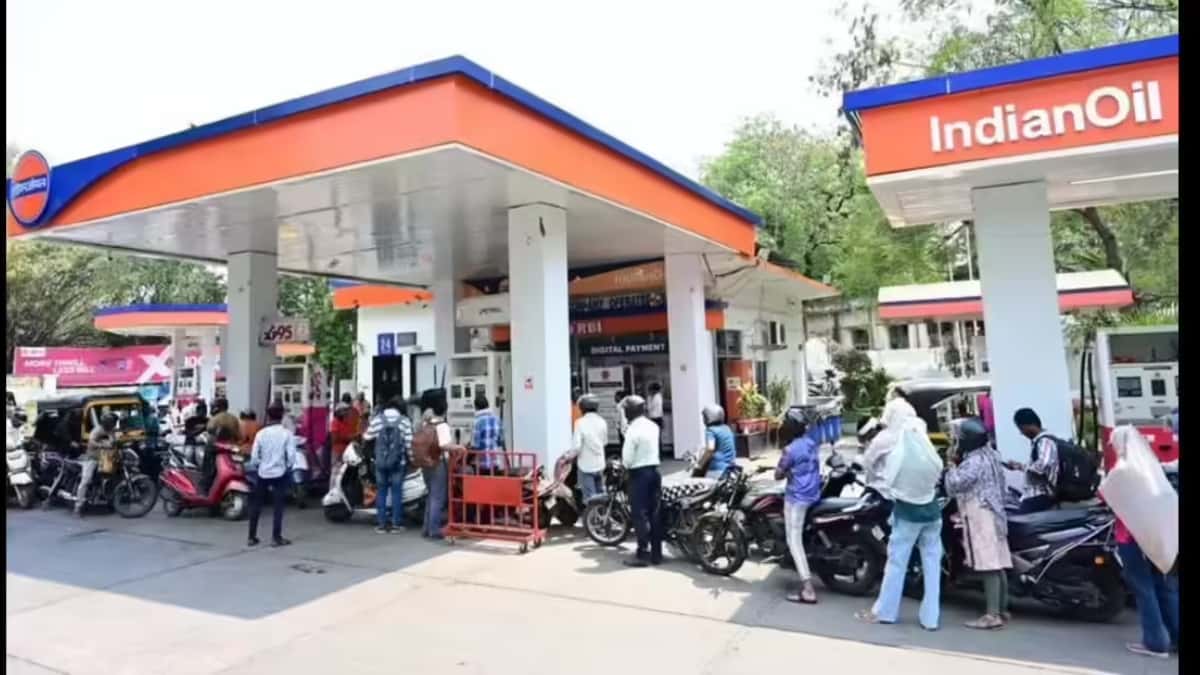
New Delhi: The Indian retail fuel ecosystem is undergoing a dramatic structural shift. Public Sector Oil Marketing Companies (OMCs)—including Indian Oil Corporation Limited (IOCL), Bharat Petroleum Corporation Limited (BPCL), and Hindustan Petroleum Corporation Limited (HPCL)—are recording massive spikes in consumer volumes.
Concurrently, several private fuel retailers are seeing steep drops in sales volumes. An official inter-ministerial briefing by the Ministry of Petroleum & Natural Gas confirmed that consumer migration has expanded the public sector's fuel retail dominance, leaving private networks struggling to maintain their market foothold.
The Numbers Behind the Surge: Record-Breaking Volume Migration
According to data released by the Joint Secretary of the Ministry of Petroleum & Natural Gas, the domestic fuel demand pattern has decoupled aggressively from historical trends:
-
Market Share Shift: Public sector OMCs have successfully captured an additional 4.57% market share in petrol and diesel retail, backed by a 6.2% overall growth in PSU sales.
-
The Diesel Surge: Driven heavily by seasonal agricultural demand and harvesting across states like Maharashtra, public sector oil companies recorded an absolute 20.1% year-on-year growth in diesel sales. During high-demand pockets, weekly diesel volumes spiked by an astonishing 43.37%.
-
The Petrol Rise: Driven by summer travel, domestic petrol sales via state-backed stations surged by 8.92%.
-
The Private Outlet Contrast: Private networks like Nayara Energy (which holds roughly a 5% market share) and Shell have faced a massive diversion of sales, with some private operators registering an estimated 38% drop in sales volumes as customers flock to nearby state-backed stations.
The Real Catalyst: The Pricing Differential Explains the Migration
The primary driver for this consumer migration is a direct, persistent retail price gap between public and private pumps.
With global crude prices heavily pressured by international events and the Indian basket trading around $97 to $98 per barrel, private operators adjusted their pump prices upwards to protect their marketing margins. However, state-run OMCs managed retail price adjustments differently, insulating common consumers. This created a notable retail price gap across major states:
-
Petrol Price Gap: Private outlets are trading at a premium of approximately ₹5 per litre higher than PSU pumps.
-
Diesel Price Gap: Private pumps are priced roughly ₹3 per litre higher than state-run pumps.
The Reliance-BP Exception: Not all private players lost ground. By choosing to mirror state-run OMC pricing rather than raising rates, Reliance-BP managed to push its petrol sales up by 23% and diesel by 4.5%, successfully ticking its petrol market share up to 4%.
The Hidden Structural Pressure on State-Run OMCs
While the market share capture reflects overwhelming consumer preference for state infrastructure, it places a temporary strain on PSU balance sheets.
Even after recent minor domestic fuel price modifications (which brought relief to OMC stock prices), buying crude at $97+ per barrel means OMCs are absorbing substantial under-recoveries. Industry ratings agency ICRA notes that at high international levels, the combined under-recovery on auto fuels and domestic LPG can scale between ₹500 Crore and ₹1,000 Crore daily if prolonged.
+-------------------------------------------------------------------------+
|                  OMC PRODUCT-LEVEL UNDER-RECOVERY MARGINS               |
+--------------------------+----------------------------------------------+
| Product Category         | Estimated Loss Absorbed Per Litre / Cylinder |
+--------------------------+----------------------------------------------+
| Petrol                   | ~ ₹14 Per Litre                              |
| Diesel                   | ~ ₹42 Per Litre                              |
| Domestic LPG             | ~ ₹674 Per Cylinder                          |
+--------------------------+----------------------------------------------+
To manage this, the government has stepped in with fiscal buffers, reducing the special additional excise duty on petrol to ₹3 per litre and cutting the excise duty on diesel to zero, absorbing a multi-crore revenue hit to stabilize pump prices.
Government Crackdown on Hoarding and Fuel Diversion
The massive price difference between cheap retail fuel and commercial bulk fuel also caused a unique supply challenge. Institutional bulk buyers (like private transport fleets and factories) began driving directly into local public retail stations to bypass expensive industrial bulk rates.
To prevent artificial shortages and localized run-outs in rural hinterlands, state governments have launched strict enforcement measures. In targeted sweeps against black marketing and illegal hoarding, authorities have filed multiple FIRs and seized thousands of litres of illegally diverted commercial petroleum products, ensuring that retail fuel flows smoothly to regular everyday motorists.
Conclusion: PSU Supremacy Solidified
With the public sector controlling over 90% of India's 1,00,000+ retail fuel pumps (IOCL leading with 41,664, followed by BPCL at 24,605 and HPCL at 24,418), the current energy phase proves the vital structural role of state-run giants. Public OMCs continue to operate as the ultimate economic shock absorbers, powering India’s industrial, agricultural, and consumer transport wheels.