
The Impact of Technology on Education in the 21st Century
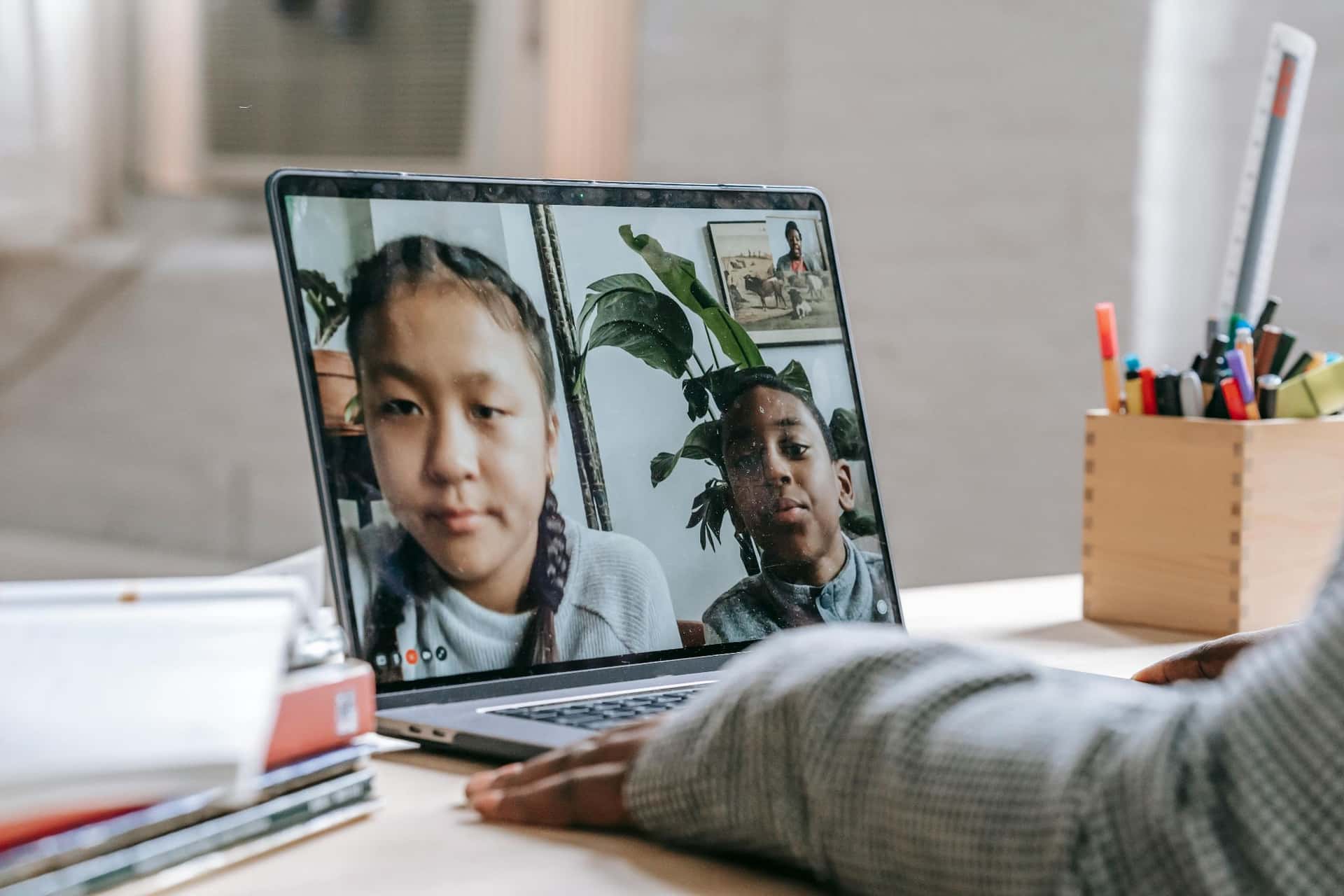
There was a moment in 2020 when millions of students around the world opened their laptops, joined a Zoom call, and realized that school would never quite look the same again. It was not a smooth transition. Professors fumbled with screen sharing. Students attended lectures from kitchen tables, bedrooms, sometimes from cars parked outside libraries just to get wifi. That chaotic stretch exposed something researchers and educators had been quietly debating for years: technology in education was no longer a supplementary feature. It had become the foundation.
From Chalkboards to Algorithms
The shift did not begin with the pandemic. It started in the late 1990s and early 2000s, when universities began experimenting with learning management systems. Blackboard, launched in 1997, was one of the first platforms to put course materials, assignments, and grades in one digital space. By the time Canvas and Moodle arrived, the idea of a purely paper based academic experience was already fading at most major institutions.
What changed in the 21st century was not just the tools themselves but the expectations around them. Students entering college today have grown up with search engines, video tutorials, and on demand content. They process information differently than students did thirty years ago. Whether that is better or worse is not a simple question. What is clear is that the impact of technology on learning has been structural, not cosmetic.
For students who struggle to keep up with academic writing demands, finding external support has also become easier. WriteAnyPapers.com is an essay writing service that gives students access to professional help with papers while managing the pressure of a full course load. That kind of resource reflects a broader reality: technology has not just changed how students learn, it has changed how they seek help when learning gets hard.
What the Numbers Actually Show
The data on digital learning tools for students paints a complicated picture. A 2023 report from the World Economic Forum noted that global edtech investment reached $20 billion in 2022, up from just $500 million in 2010. That growth reflects genuine demand. But high investment does not automatically translate into better outcomes.
A study from Stanford University found that students who used adaptive learning software in introductory math courses showed measurable improvement in test scores compared to students in traditional lecture settings. MIT OpenCourseWare, which has been freely available since 2001, has logged over 300 million visits from learners in every country on earth. Khan Academy reports that students who use its platform consistently for at least 30 minutes per week show stronger foundational skills in math and science.
And yet, a 2022 OECD report found that heavy screen time in classrooms was correlated with lower reading comprehension scores in several countries. Not because screens are inherently bad, but because how technology is used matters as much as whether it is used at all.
The Equity Problem Nobody Wants to Talk About
One of the less comfortable truths about online education 21st century is that it has not solved the equity gap. In many cases, it has widened it. During remote learning in 2020 and 2021, students in low income households were three times more likely to lack reliable internet access than their peers in higher income brackets, according to Pew Research.
KingEssays is a university essay writing service that helps students navigate research heavy coursework by providing professionally structured writing models as a reference point. It gives writers a clearer sense of what strong academic argument looks like before they attempt to build one independently.
The same technology that gave a student at Harvard access to live feedback from AI powered writing tools gave a student in rural Appalachia a loading screen. That disparity is real, and no amount of enthusiasm about innovation erases it.
Some institutions have tried to close the gap. The University of California system distributed over 100,000 devices during the pandemic through a dedicated lending program. Chicago Public Schools partnered with Comcast to provide subsidized internet to students in underserved neighborhoods. These efforts matter, but they remain patches on a larger structural problem.
A Realistic Look at What Technology Does Well
It is worth stepping back and cataloguing what the technology actually delivers when conditions are right.
|
What Works |
Why It Works |
|
Adaptive learning platforms |
Personalize pace and difficulty to individual students |
|
Asynchronous video lectures |
Allow students to pause, rewatch, and learn on their own schedule |
|
AI writing assistants |
Help with grammar, structure, and clarity in real time |
|
Online peer collaboration tools |
Reduce geographic barriers for group projects |
|
Digital libraries and databases |
Give students access to research behind expensive paywalls |
The honest answer is that technology works best when it solves a specific problem rather than when it replaces an entire system. A student who struggles with academic writing improves faster with targeted feedback. A student studying in a second language benefits from instant translation and vocabulary tools. Broad, undifferentiated tech adoption rarely produces those results.
Rhythms, Habits, and What Cannot Be Undone
How technology has changed education goes beyond platforms and tools. It has changed the rhythm of learning itself. The expectation that information is immediately available has made deep, patient reading harder for many students. Research from the Nielsen Norman Group suggests that most people read only 20 to 28 percent of the words on a web page. That habit carries into academic contexts in ways that are not always easy to measure.
At the same time, collaboration has genuinely improved. A student in Warsaw can work with a classmate in São Paulo on a shared document, get edits in real time, and submit a joint paper without ever being in the same room. Twenty years ago, that would have been logistically impossible.
Professors at institutions ranging from Yale to the University of Melbourne have started redesigning courses around these realities rather than fighting them. Flipped classrooms, where students watch lectures at home and use class time for discussion and problem solving, are now standard in many departments. The lecture hall as a one way broadcast is slowly becoming obsolete.
Where Honest Attention Is Still Needed
None of this means technology is neutral. Algorithms built into educational platforms can reflect the biases of their designers. AI grading systems have been shown to score essays from non native English speakers lower than human graders would. Surveillance software used during remote exams has raised serious questions about privacy and trust.
The 21st century student is navigating a system that is more powerful, more flexible, and more uneven than anything that came before it. Getting the most out of it requires more than access. It requires knowing how to use it critically, which is a skill that most schools are still figuring out how to teach.
Technology in education is not a solution. It is an environment. The real question is whether students, educators, and institutions are prepared to move through it with enough clarity to make it work for everyone, not just those who were already well positioned to begin with.