
What Influences E-scooter Price in India, from Battery to Technology
The electric two-wheeler market is projected to grow from USD 5.31 billion in 2026 to USD 10.29 billion by 2035 at a CAGR of 7.6%. This steady growth reflects how electric scooters are becoming a practical choice for everyday commuting across India, supported by technological and usability improvements.
As a result, a wider range of models are now available in the market, making pricing differences more noticeable to buyers exploring their options. The price of an e-scooter in India can vary based on several underlying factors that are not always immediately visible. These variations reflect how each electric scooter is designed to support different riding needs.
Let’s look at the key factors that influence pricing and how they shape your everyday commuting experience.
Key Factors that Influence E-scooter Prices in India
A closer look at the core elements helps explain how different electric scooters are priced and positioned.
1. Battery Technology and Capacity
Battery technology plays a central role in determining the price of an E-scooter in India. Lithium-ion batteries are widely used because they offer higher energy density, longer lifecycles, and efficient charging. The battery capacity, measured in kilowatt-hours (kWh), directly affects how far the scooter can travel on a single charge.
For example, Bajaj Chetak variants clearly show how battery capacity shapes performance and pricing:
-
Bajaj Chetak C2501 (2.5 kWh) offers a range of 113 km, making it suitable for daily city commutes.
-
Bajaj Chetak 3501 (3.5 kWh) extends the range to 153 km, ideal for longer trips.
-
Bajaj Chetak 3503 (3.5 kWh) delivers a similar range of 151 km while adding connected features.
As battery capacity increases, both range and convenience improve, which is reflected in the overall pricing.

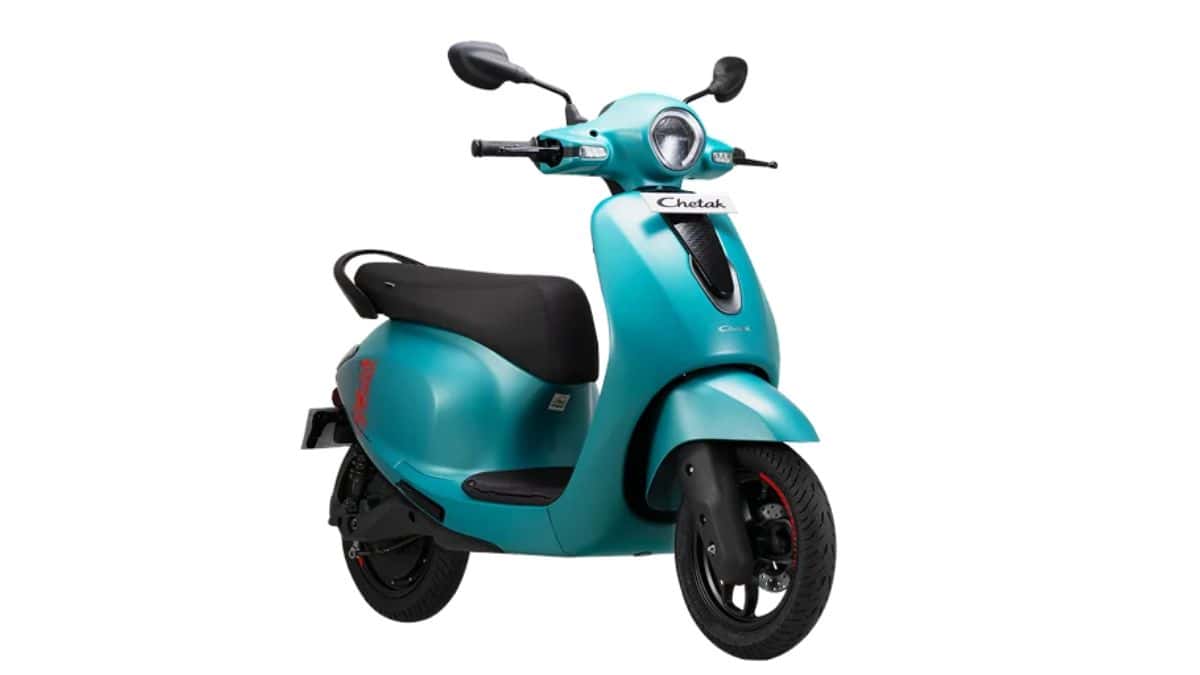
Bajaj Chetak C2501
Image Source: Bajaj Chetak
2. Motor Power and Performance Capabilities
Motor power determines how the electric scooter accelerates and how smoothly it handles various riding conditions. This directly contributes to the price of an e-scooter in India, as higher-powered motors are designed for better performance and consistency.
An electric scooter with a higher motor output can handle inclines more comfortably, carry additional loads with ease, and deliver a smoother riding experience. These improvements make everyday travel more efficient and enjoyable.
3. Smart Features and Connected Technology
Technology integration has added a new layer of convenience to electric scooters. Features such as digital dashboards, mobile applications, and navigation support enhance usability and contribute to the price of an e-scooter in India.
Connected features allow riders to easily monitor battery levels, track rides, and access vehicle information. For instance, the Bajaj Chetak 3503 includes Bluetooth-enabled connectivity, offering added convenience during daily use. The Bajaj Chetak 3501 further enhances usability with Google Maps-based navigation, a TecPac feature that provides easier, more confident route guidance while riding.

Bajaj Chetak 3501
Image Source: Bajaj Chetak
4. Build Quality and Component Selection
The materials used in building an electric scooter affect both its durability and ride quality. High-quality components contribute to the price of an e-scooter in India by ensuring long-term performance and comfort.
A well-built frame provides structural strength, while refined suspension systems absorb road irregularities for a smoother ride. Efficient braking systems enhance control and stability, adding to overall riding confidence.
5. Brand Value and After-sales Support
Brand value reflects the reliability and support associated with an electric scooter, influencing the price of an e-scooter in India. Established manufacturers offer consistent quality, accessible service networks, and dependable after-sales support.
A strong service ecosystem ensures that routine maintenance and assistance are easily accessible, contributing to a smooth ownership experience over time.

Bajaj Chetak 3503
Image Source: Bajaj Chetak
6. Government Incentives and Policy Support
Government initiatives play a positive role in shaping e-scooter prices in India by making electric mobility more accessible. The Faster Adoption and Manufacturing of Electric Vehicles (FAME-III) scheme offers incentives linked to battery capacity and efficiency.
In addition, state-level benefits such as road tax exemptions and registration fee waivers further support affordability, helping more riders transition to electric scooters.
7. Charging Time and Daily Usability
Charging time affects how easily an electric scooter fits into everyday routines and contributes to the price of an e-scooter in India. Larger batteries may take slightly longer to charge, but they reduce the need for frequent charging sessions.
For example:
-
Bajaj Chetak C2501 (2.5 kWh) charges from 0–80% in 2 hours and 25 minutes
-
Bajaj Chetak 3501 (3.5 kWh) takes 3 hours
-
Bajaj Chetak 3503 (3.5 kWh) may take 3 hours and 25 minutes
This balance between charging time and range allows riders to choose a model that suits their daily travel patterns.
Find the Right Electric Scooter Without Overpaying
Understanding the price of an e-scooter in India helps you look beyond the upfront cost and focus on features that truly support your daily commute and overall riding comfort. By carefully evaluating factors such as battery capacity, motor performance, charging time, and connected features, you can identify a model that aligns well with you.
Legacy brands like Bajaj Auto continue to offer electric scooters that bring together dependable engineering, thoughtful design, and practical functionality for everyday use. With the right balance of range, technology, and usability, you can confidently choose an electric scooter that fits seamlessly into your routine while delivering consistent value.