
Centre approved 7 projects of Railway Ministry, cost around Rs.32,500 Cr
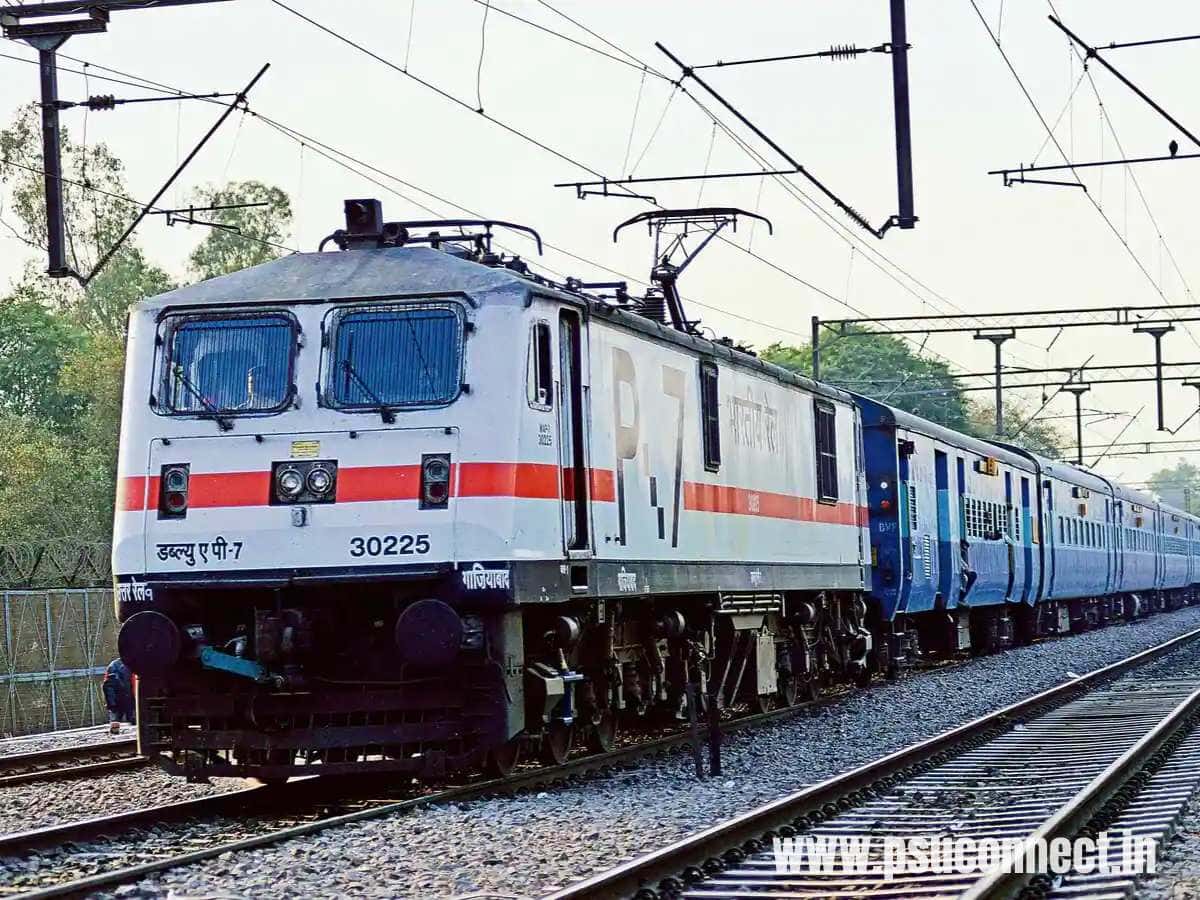
New Delhi: The Cabinet Committee on Economic Affairs chaired by Prime Minister, Shri Narendra Modi today approved Seven projects of the Ministry of Railways with an estimated cost of around Rs.32,500 Crore, with 100% funding from Central Government. The proposals of Multi-tracking will ease operations and reduce congestion, providing the much-required infrastructural development on the busiest sections across Indian Railways.
The projects covering 35 Districts in 9 States i.e. Uttar Pradesh, Bihar, Telangana, Andhra Pradesh, Maharashtra, Gujarat, Odisha, Jharkhand and West Bengal will increase the existing network of Indian Railways by 2339 Kms. and will provide employment of 7.06 crore man-days to the people of the states.
Name and Natures of the Projects
Gorakhpur-Cantt-Valmiki Nagar
Doubling of existing line
Son Nagar-Andal Multi tracking Project
Multi Tracking
Nergundi-Barang and Khurda Road-Vizianagaram
3rd Line
Mudkhed-Medchal and Mahbubnagar-Dhone
Doubling of the existing line
Guntur-Bibinagar
Doubling of the existing line
Chopan-Chunar
Doubling of existing line
Samakhiali-Gandhidham
Quadrupling
These are essential routes for the transportation of varied basket of commodities such as foodgrains, fertilizers, coal, cement, fly-ash, iron and finished steel, clinkers, crude oil, lime stone, edible oil etc. The capacity augmentation works will result in additional freight traffic of magnitude 200 MTPA (Million Tonnes Per Annum). The Railways being environment-friendly and energy-efficient mode of transportation, will help both in achieving climate goals and for reducing logistics cost of the country.
The projects are in line with Prime Minister’s Vision of a New India which will make people of the region “Atmanirbhar” by creating Multi-tasking work force in the region and will enhance their employment/self-employment opportunities.
The projects are result of PM-Gati Shakti National Master Plan for Multi-model connectivity which have been possible through integrated planning and will provide seamless connectivity for movement of people, goods and services.