
India's First Hydrogen Train Flagged Off: Full Route, Timings, Benefits & What It Means for You
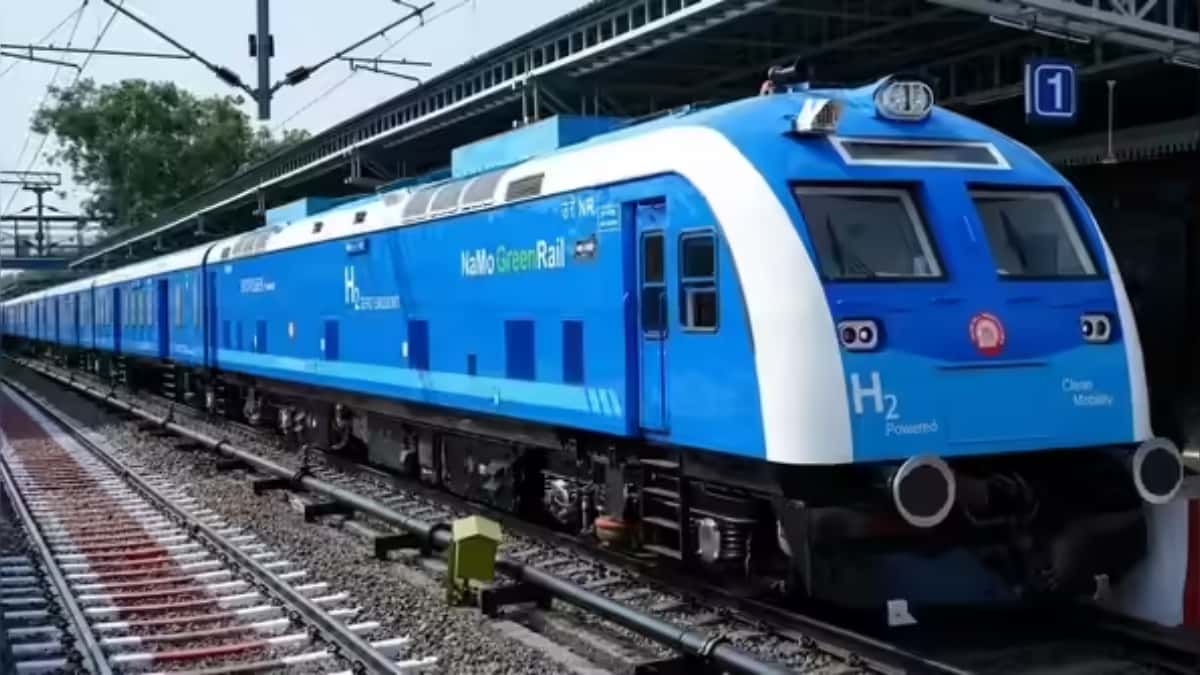
New Delhi, July 17, 2026: Today marks a proud and historic day for Indian Railways and the entire nation. Prime Minister Narendra Modi flagged off India's first hydrogen-powered train from Jind station in Haryana. This is not just another train launch, it is a bold step towards cleaner air, lower fuel costs, and a more sustainable future for millions of daily commuters.
Why This Train is Special
Unlike regular trains that run on diesel or electricity, this train uses hydrogen fuel cell technology. It converts hydrogen into electricity and the only emission is water vapour. No smoke, no pollution, and much quieter operation.
Important Highlights You Should Know:
-
Route: Jind to Sonipat (89 km) in Haryana
-
Travel Time: Around 2 hours one way
-
Daily Service: Two round trips covering 356 km every day
-
Passenger Capacity: Up to 2,600 passengers
-
Number of Coaches: 10-coach modern trainset (world's longest hydrogen train on broad gauge)
-
Maximum Speed: 75 kmph in regular service (tested successfully up to 120 kmph)
-
Stations Covered: 12 stops including Jind City, Gohana, Barwasni, and more
Unique Benefits Passengers Will Love
-
Much cleaner air inside and around stations
-
Smoother and quieter ride due to advanced technology
-
Modern coach design with better safety features
-
Supports local economy in Haryana through dedicated hydrogen facility at Jind
This project also creates new skilled jobs in hydrogen technology, maintenance, and green infrastructure.
Jindal Stainless Role & Material Innovation
Jindal Stainless supplied nearly 40% of the stainless steel used in the coach bodies. Their special grade steel offers high strength, excellent corrosion resistance, and lighter weight — which directly helps the train save energy and perform better over many years.
Bigger Picture for India
This train is part of Indian Railways' long-term vision to reduce diesel dependency and move towards net-zero emissions. Successful operation on this route can open doors for more hydrogen trains across the country in the coming years.
For common citizens, it means:
-
Healthier environment for children and elderly
-
Reduced dependence on imported fuel
-
Stronger push for "Made in India" green technology
What This Means for India
This pilot project is an important beginning. Its success can lead to more hydrogen trains on other routes in the coming years. It supports the goals of reducing pollution, cutting diesel use, and building a stronger green economy.
For people who travel often in North India or care about clean air, this is a development to watch closely. The experience from this train will help decide how quickly green rail transport can grow across the country.
This project perfectly combines innovation, sustainability, and Atmanirbhar Bharat spirit.