
India’s First Indigenous H5N1 Bird Flu Vaccine to Launch on Nov 20
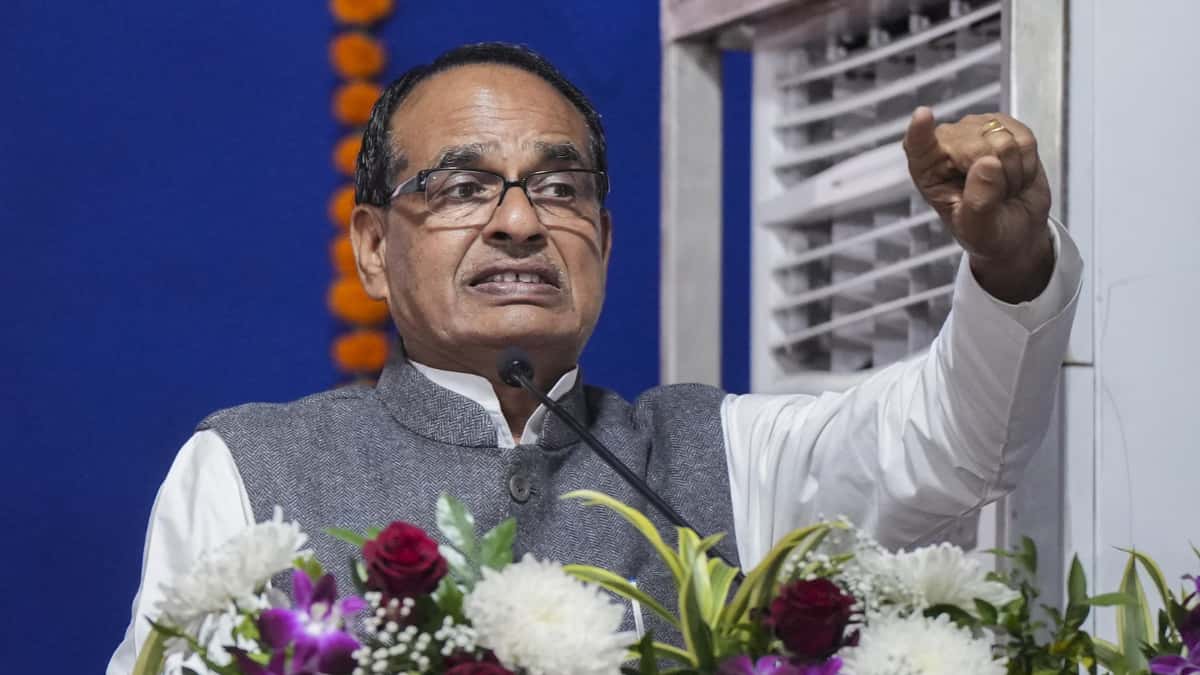
New Delhi: Indian veterinary scientists have developed the country’s first homegrown vaccine against the deadly H5N1 bird flu virus in chickens, marking a major milestone for poultry biosecurity. Union Minister of Agriculture and Farmers Welfare and Rural Development Shri Shivraj Singh Chouhan will formally dedicate the vaccine to the nation on Friday, November 20, 2026, at a ceremony in Bhopal.
Formulated by researchers at the Bhopal-based ICAR-National Institute of High Security Animal Diseases (ICAR-NIHSAD), this inactivated vaccine specifically targets the Clade 2.3.2.1a strain of Highly Pathogenic Avian Influenza (HPAI)—the dominant variant driving recurrent poultry outbreaks across India.
Key Takeaways
-
Breakthrough Product: India's first indigenous Inactivated H5N1 (Clade 2.3.2.1a) HPAI Vaccine for chickens.
www.pib.gov.in
-
Research Institute: Developed by ICAR-NIHSAD in Bhopal, Madhya Pradesh.
www.pib.gov.in
-
Dedication Ceremony: November 20, 2026, led by Union Agriculture Minister Shivraj Singh Chouhan.
www.pib.gov.in
-
Filling a Critical Void: Until this breakthrough, no commercial vaccine tailored specifically to the circulating Clade 2.3.2.1a strain was available in the domestic market.
Vaccine & Outbreak Risk Overview
|
Parameter |
Official Details |
|---|---|
|
Vaccine Name |
Inactivated H5N1 (Clade 2.3.2.1a) HPAI Chicken Vaccine |
|
Developer |
ICAR-National Institute of High Security Animal Diseases (ICAR-NIHSAD), Bhopal |
|
Dedication Date |
November 20, 2026 |
|
Target Strain |
H5N1 Avian Influenza Virus (Clade 2.3.2.1a) |
|
Historical Indian Outbreaks |
Over 500 combined outbreaks (H5N1 & H5N8) since 2006 |
|
Macroeconomic Threat |
Unchecked outbreaks risk over 20% of poultry stock & up to 1.5% GDP growth |
|
Global WHO Human Toll |
1,003 human H5N1 cases and 479 deaths across 25 countries since 2003 |
Safeguarding Poultry Livelihoods and Public Health
Avian influenza remains one of the severest biological threats to commercial and backyard poultry farming. An outbreak in a flock can trigger near-100% bird mortality within days, forcing authorities to carry out mass culling, impose movement bans, and halt regional trade—severely impacting farm incomes and retail egg and chicken prices.
Since bird flu was first detected in India in 2006, the country has battled more than 500 combined outbreaks of H5N1 and H5N8 subtypes. Official assessments indicate that the initial 2006 outbreak inflicted direct and indirect financial losses between ₹2,200 crore and ₹3,000 crore, while a regional outbreak in Manipur wiped out the equivalent of 0.5% of the state's GDP. At a national scale, an uncontained epidemic puts over 20% of India’s poultry population in jeopardy and could shave up to 1.5% off overall GDP growth.
Beyond economic protection, curbing Clade 2.3.2.1a carries urgent public health significance. Surveillance studies confirm that this specific clade accounts for the vast majority of chicken outbreaks in India and has recently spilled over into mammals, alongside three recorded human infections. Globally, World Health Organization (WHO) records show 1,003 human H5N1 cases and 479 fatalities across 25 nations—including India—since 2003. By immunizing poultry flocks directly against the locally circulating strain, ICAR-NIHSAD's vaccine aims to break the transmission chain before the virus can spread to other animals or humans.