
Indian Steel Industry Grows Strong in FY 2025-26
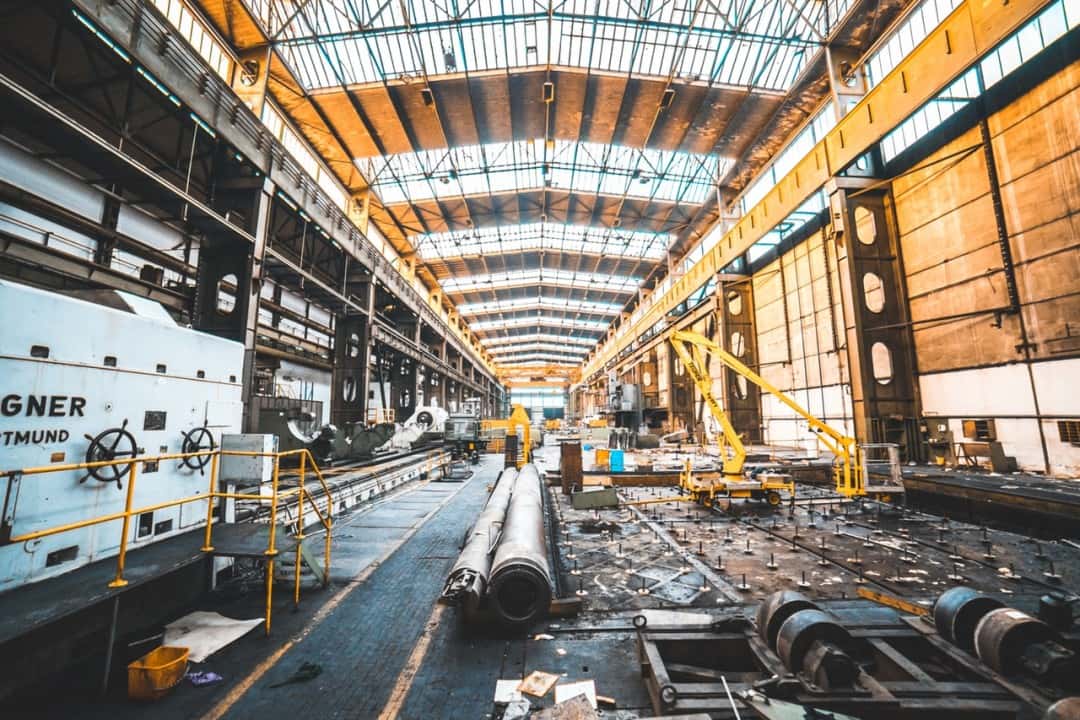
New Delhi: The Indian steel industry delivered robust performance in financial year 2025-26, consolidating its position as the world's second-largest producer. This Indian steel industry growth came despite global uncertainties and price pressures.
The Ministry of Steel released the provisional data from the Joint Plant Committee (JPC) on April 8, 2026. Domestic demand, infrastructure activity, and export surge drove the impressive gains.
Key Numbers: Production, Consumption, and Exports
Crude steel output India grew by over 10.7% year-on-year. Total production reached around 168.4 million tonnes during April-March 2025-26. This reflects sustained industrial momentum throughout the year.
Finished steel consumption expanded by about 7-8% to 164 million tonnes. Infrastructure, construction, railways, and manufacturing sectors drove this demand. The government's push on large-scale infrastructure projects played a pivotal role.
Steel exports surge 2026 marked a major highlight of the fiscal year. Finished steel exports jumped 35.9% to over 6.6 million tonnes. Meanwhile, imports declined sharply by 31.7%.
As a result, India regained its position as a net exporter of steel. Indian steel products strengthened their footprint in the Middle East, Europe, and Southeast Asia. Market diversification and improved competitiveness supported this export growth.
Why the Steel Sector Performed Strongly
India's total steel capacity now stands at about 220 million tonnes in FY2025-26. The government projects this to reach 300 million tonnes by 2030. Both public and private sector investments support this expansion.
SAIL Tata Steel JSW continued to invest heavily in capacity expansion. These major players also focused on technology upgrades and value-added steel production. Their actions reflect confidence in long-term demand growth.
Domestic demand remained the key growth driver throughout the year. Urbanisation and large-scale infrastructure projects boosted steel consumption. The railways and manufacturing sectors also contributed significantly.
However, coking coal price pressure affected profitability during the year. Fluctuating raw material costs and volatile global prices squeezed margins. Logistics and freight costs increased towards the year-end due to geopolitical crisis.
Challenges and Impact on Stakeholders
Disruptions in gas supplies from the Middle East created an energy crisis. Shortages of industrial fuels like LPG threatened production continuity for several steel manufacturers. The government intervened by increasing LPG allocations to the steel sector.
Green steel technology investments will shape the industry's future. Steel companies must balance growth with carbon emission reduction targets. This creates opportunities for equipment suppliers and technology providers.
Indian Railways reported increased freight movement of iron ore and finished steel. The eight core industries showed growth across refinery products, electricity, steel, coal, crude oil, natural gas, cement, and fertilizers. This indicates sustained industrial activity across regions.
Investors in steel stocks saw mixed returns during the year. Lower steel prices hurt profitability despite higher volumes. However, the export surge and import decline improved the trade balance positively.
Employees in the steel sector faced margin pressure on their companies. Some units temporarily reduced shifts due to energy shortages. However, long-term job prospects remain strong due to capacity expansion plans.