
COPD Beyond Smoking: Early Diagnosis and Rising Risks in Non-Smokers
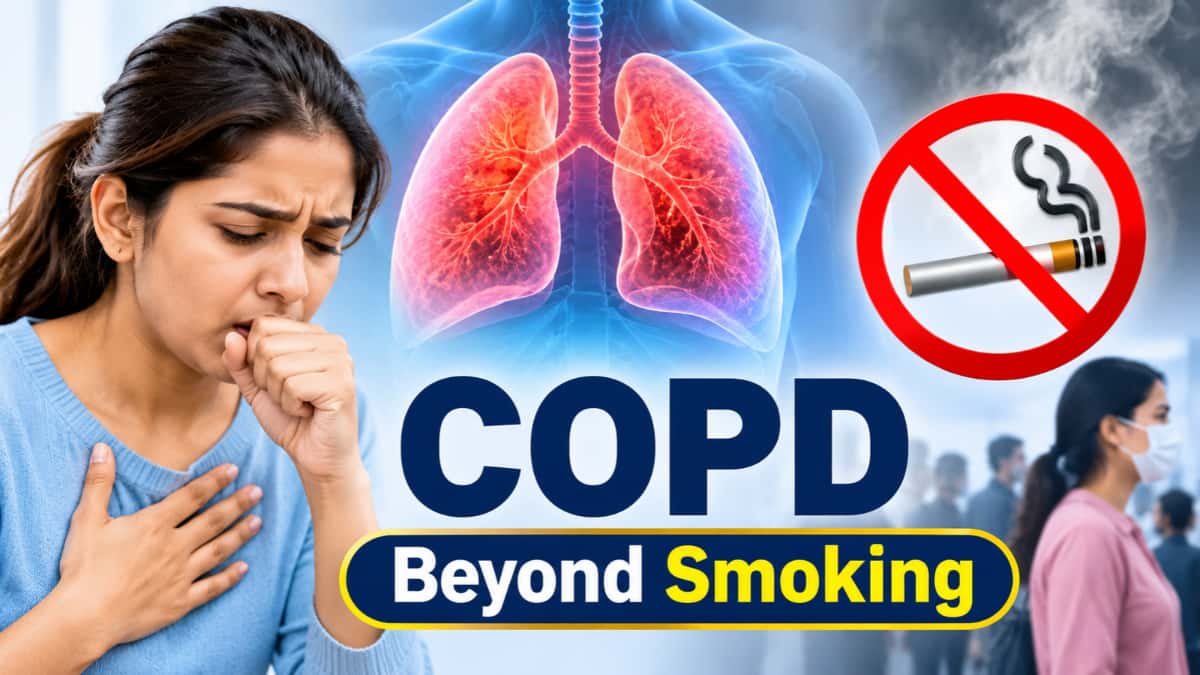
Chronic Obstructive Pulmonary Disease (COPD) has long been perceived primarily as a smoker’s condition. However, clinical evidence and recent healthcare data emphasize that the disease extends far beyond smoking, increasingly impacting non-smokers, women, and individuals with underlying respiratory vulnerabilities.
Experts stress that recognizing non-traditional risk factors and securing early diagnoses are essential to preventing long-term disability and improving patient outcomes.
Emerging Risk Factors: Beyond Tobacco
While tobacco smoke remains a primary trigger, pulmonologists highlight several other critical pathways leading to airflow limitation:
-
Household Air Pollution & Biomass Fuels: Women in rural and semi-urban settings who have never smoked frequently develop chronic respiratory conditions due to prolonged, daily exposure to firewood and other biomass fuels used for cooking.
-
Post-Tuberculosis Sequelae: Individuals recovering from pulmonary tuberculosis can experience permanent structural changes and airflow obstruction—often referred to in clinical contexts as Tuberculosis-associated Obstructive Pulmonary Disease (TOPD).
-
Occupational Dust and Pollutants: Long-term inhalation of industrial dust, chemical fumes, and environmental pollutants also significantly elevates COPD risk.
Why Early Diagnosis Matters
A major barrier to effective COPD management is late presentation. Patients frequently dismiss persistent symptoms—such as a chronic cough, daily sputum production, and progressive breathlessness—as normal consequences of aging or declining physical stamina.
-
Diagnostic Gold Standard: Spirometry remains vital for confirming airflow obstruction, distinguishing COPD from other respiratory ailments. Advanced evaluations, such as DLCO testing, provide detailed insights into lung diffusion capacity.
-
The Danger of Delay: When patients seek medical evaluation only after breathlessness severely restricts everyday activities, therapeutic options become limited. Early detection enables timely intervention, slowing disease progression.
Comprehensive Management Approaches
Modern COPD management extends well beyond initial bronchodilator therapy. A multidisciplinary care model typically incorporates:
-
Lifestyle & Environmental Modifications: Complete smoking cessation (where applicable) and elimination of exposure to indoor smoke and biomass pollutants.
-
Pulmonary Rehabilitation: Structured exercise programs designed to combat muscle weakness and physical frailty, which are common secondary concerns in COPD.
-
Vaccinations & Nutritional Support: Protecting vulnerable patients from respiratory infections through targeted immunizations, alongside individualized nutritional counseling.
-
Advanced Interventions: For severe cases, specialized options such as targeted lung volume reduction procedures and specialized critical care support during acute exacerbations play a life-saving role.
Raising public awareness and ensuring routine lung function assessments for high-risk non-smokers remain pivotal steps toward alleviating the growing burden of chronic respiratory disease.