
Slope Stability 2026: Call for Integration of Technology into Geotechnical Engineering and Ground Control
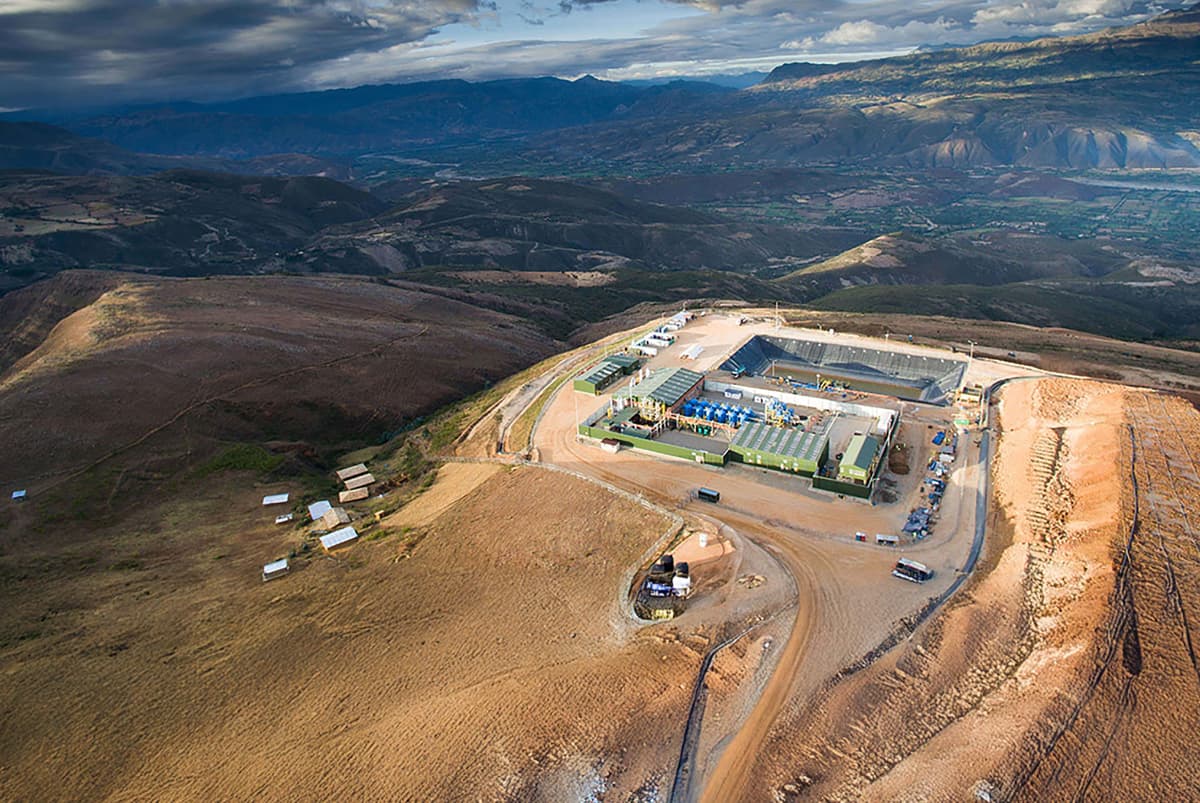
Lima, December 01, 2025. The challenge for the Peruvian mining industry is no longer just in geotechnical design but in applying that standard to daily operations, which involves integrating data, updating models, and enhancing ground control consistency at the site. Geotechnical engineer Marco Arrieta highlighted this during the webinar: “From Design and Modeling to Operations: Practical Ground Control Management Plan (GCMP) for Active Mine Operations,” part of Slope Stability 2026, one of the world's leading mining slope stability events.
Identified Gaps
Arrieta highlighted that consolidating integrated platforms, formalizing standards, and adopting accessible technologies will enable earlier detection of changes and accelerate the development of ground control in the country.
He also noted that technological integration, GCMP standardization, and regular external reviews are essential for strengthening geotechnical engineering and enhancing risk management in Peruvian mining operations.
Closing the current gaps requires a comprehensive strategy that includes expanded training for operations, planning, and contractors, fostering a culture where ground control is a shared responsibility,” said the expert.
Mr. Arrieta emphasized that the country's future in geotechnical management depends on a unified vision that includes robust digital platforms, regular audits, and a more strategic use of technological tools in operations.
He added that utilizing accessible technologies like photogrammetry, updated point clouds, and operational dashboards will be crucial for enhancing early change detection and speeding up major industry improvements.
Peruvian situation
Although Peru has a strong technical level in geotechnical design, the main gap identified by specialists is in applying that standard to daily operations. The implementation of the GCMP still differs among guards, contractors, and operational areas, which affects the consistency of risk management.
“Added to this is the lack of effective integration of data from radars, drones, instrumentation, and topography into a centralized or unified system that supports decision-making, as well as the lack of systematic updating of geological and geotechnical models,” he said.
Finally, Arrieta emphasized that there are still cultural and operational hurdles to improve the maturity of ground control in the country. The practice of recording, analyzing, and learning from early deformations or minor events needs to be bolstered, while pressure to meet deadlines and production goals often strains GCMP requirements, especially in operations with complex geometries and high mining rates.
“These gaps open up a key opportunity to drive comprehensive improvements in geotechnical management at the national level,” he concluded.