
Fifth Third Wins Fed Approval for $77.5 Billion Comerica Merger
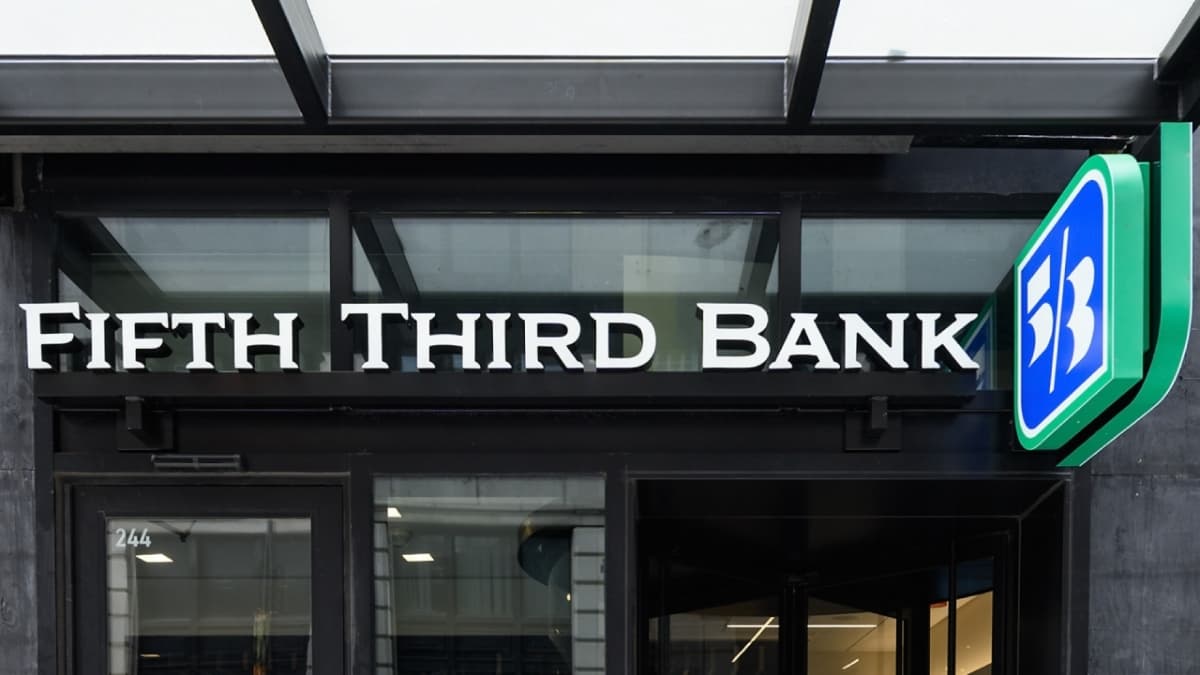
The Federal Reserve Board has given the green light for Fifth Third Bancorp to acquire Comerica Incorporated in a blockbuster deal that will reshape the U.S. banking landscape, particularly in the Midwest. The approval, detailed in a comprehensive order released Tuesday, paves the way for the creation of the nation’s 16th largest depository institution, with approximately $290.4 billion in consolidated assets.
The merger, announced last fall, will see Detroit-founded Comerica merge into Cincinnati-based Fifth Third, significantly expanding Fifth Third’s footprint into key markets like Texas, California, and Arizona, while bolstering its presence in the critical state of Michigan.
Navigating Regulatory Hurdles and Public Scrutiny
The Fed’s approval followed a standard review period that drew both support and criticism. The Board received 12 comments backing the deal, citing Fifth Third’s community investment, and 12 opposing it.
Key concerns from critics focused on fair lending, with one commenter alleging Fifth Third originated fewer home loans to African American applicants compared to white applicants in several states. The Board acknowledged reviewing Home Mortgage Disclosure Act (HMDA) data but stated that such public data lacks the full context of credit decisions. It ultimately concluded that Fifth Third’s “Outstanding” Community Reinvestment Act (CRA) rating and its internal fair lending compliance systems addressed these concerns.
Other objections centered on a shareholder lawsuit in Delaware alleging breaches of fiduciary duty by Comerica’s board. The Fed clarified that such matters of corporate governance and shareholder compensation are generally outside its statutory review authority under the Bank Holding Company Act, falling instead under state law and securities regulations.
Overcoming Competitive Hurdles in Michigan
A significant part of the Fed’s analysis centered on the deal's impact on competition, especially in Michigan where both banks have major operations. The merger consolidates the state’s third- and seventh-largest deposit-holders, giving the combined entity control of 18.4% of Michigan's total bank deposits.
The Fed identified ten local banking markets where the banks directly compete. In nine of those, the increased market concentration was found to be within established regulatory guidelines.
The tenth market, Calhoun County, Michigan (home to Battle Creek), required a "detailed review." Initial calculations showed the merger would push the market into a "highly concentrated" range. However, after factoring in the competitive influence of local credit unions and a thrift institution that acts like a commercial bank, the Fed determined the increase in concentration was acceptable, with nine other bank competitors remaining.
The U.S. Department of Justice reviewed the competitive effects and did not object to the transaction.
Branch Network Changes and Community Impact
Integration will inevitably lead to branch closures. Fifth Third has preliminarily identified 80 branches for potential closure—23 of its own and 57 Comerica locations. The Fed noted that only three of these are in low- to moderate-income (LMI) areas, and in those cases, the "receiving" branch is within 0.2 miles.
The Board highlighted Fifth Third’s post-merger plans, including a commitment to open 150 new financial centers in Texas by 2029 and the launch of a “One Michigan Community Plan.” Fifth Third also pledged to add a historically disadvantaged community in Detroit to its “place-based” philanthropic program with a $20 million investment.
Financial Stability and Path Forward
In evaluating the deal's effect on overall financial stability, the Fed noted that while Fifth Third will grow significantly and become a "Category III" banking organization subject to stricter oversight, it will still hold less than 2% of total U.S. financial system assets. The Board concluded the combined firm "would not be a critical services provider or so interconnected" that its failure would pose a systemic risk.
With all regulatory conditions now met, the banks can proceed to consummate the merger. The transaction must be completed within three months, unless an extension is granted. The merger of the bank subsidiaries themselves was previously approved by the Office of the Comptroller of the Currency in December 2025.
The deal solidifies Fifth Third’s position as a dominant regional bank with a coast-to-coast presence in commercial banking, and marks the end of Comerica’s nearly 175-year history as an independent, Detroit-headquartered institution.