
Nepal PM Balendra Shah Meets PM Modi in Delhi: Energy, Connectivity and $2 Billion Package on Agenda
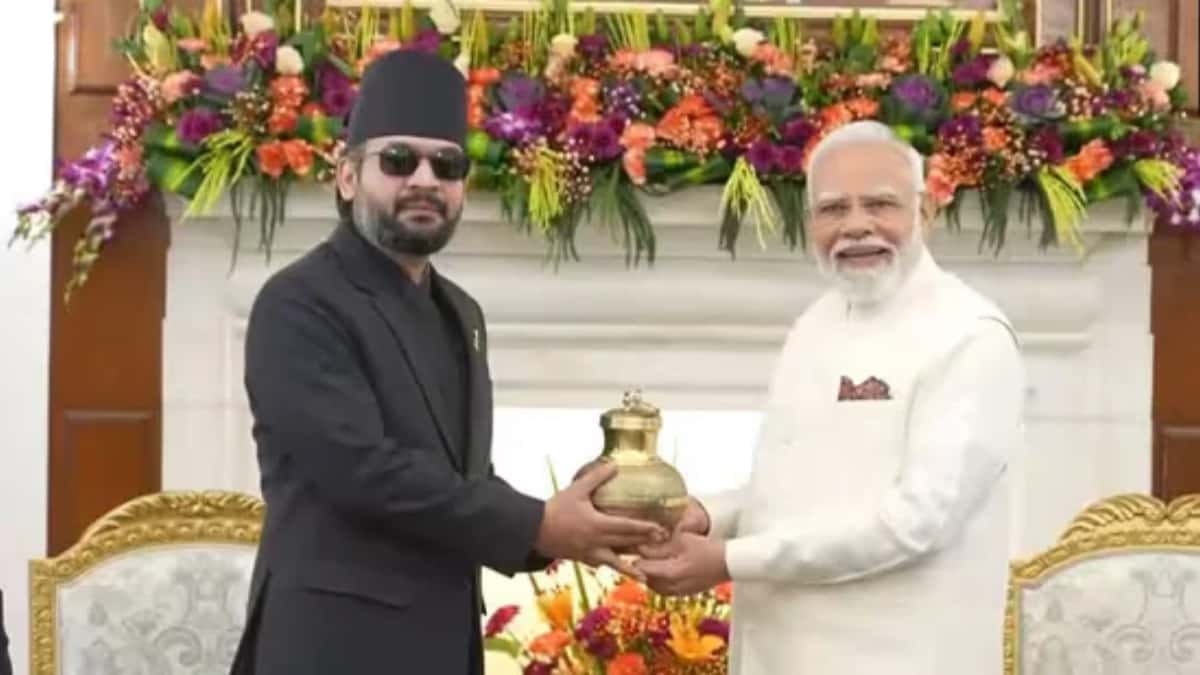
Nepal Prime Minister Balendra Shah held bilateral talks with Indian Prime Minister Narendra Modi at Hyderabad House in New Delhi on Monday, 23 November 2026. This marks Shah’s first bilateral visit abroad and his first trip to India since assuming office in March 2026. The two leaders focused on energy cooperation, cross-border connectivity, trade, investment and a proposed $2 billion development package, part of which could support reconstruction after the devastating August 2026 glacial floods in Nepal.
Shah arrived in New Delhi on 22 November for the two-day state visit at Modi’s invitation. He received a ceremonial welcome with a Guard of Honour at Rashtrapati Bhavan, with Modi present. The leaders are also expected to virtually flag off the new Saryu-Kamala Express, a weekly passenger train linking Ayodhya Cantonment in Uttar Pradesh with Janakpur Dham in Nepal — two sites deeply connected to the Ramayana tradition.
What is on the agenda for the Modi-Balendra Shah talks?
Energy and hydropower topped the discussions. Under the existing long-term power trade agreement, India plans to import up to 10,000 MW of electricity from Nepal over the next 10 years. Current annual imports stand at around 1,200 MW. In the 2025-26 financial year, Nepal earned approximately NPR 1,800 crore (about ₹1,129 crore) in net revenue from electricity exports to India. Indian companies are already involved in projects such as the 900 MW Arun-3 hydropower plant.
Connectivity projects also featured prominently. Besides the Saryu-Kamala Express, talks covered the proposed Raxaul-Kathmandu railway, integrated check posts (including progress at Bhairahawa and Banbasa), and new air routes that would improve access to Nepal’s international airports at Pokhara and Bhairahawa through Indian airspace.
How will the $2 billion package help Nepal?
India and Nepal are discussing a development assistance package of up to $2 billion. A significant portion is expected to support post-flood reconstruction following the August 2026 glacial floods that damaged homes, infrastructure and hydropower facilities, particularly in the Bhotekoshi-Rasuwa corridor. The package could combine grants and concessional loans for infrastructure, education, healthcare and hydropower investment.
Which MoUs and projects are expected?
The two sides are set to exchange memorandums of understanding covering education, health, agriculture, sports, disaster management and human resource development. Several completed connectivity and energy projects are likely to be inaugurated virtually, while foundation stones for new initiatives may also be laid. A broader joint vision document — referred to in some reports as “Samriddha Nepal, Samunnat Bharat” (Prosperous Nepal, Developed India) — is also under discussion.
A Nepal-India Business Forum is part of the programme, aimed at attracting greater Indian investment into Nepal. Nepal’s Finance Minister Swarnim Wagle, Foreign Minister Shishir Khanal and Chief Adviser Kumar Byanjankar form part of the 34-member delegation.
Why does this visit matter for India-Nepal relations?
India remains Nepal’s largest trading partner, transit route and source of foreign investment. The visit comes at a time when both countries want to deepen people-to-people, economic and energy ties while addressing practical issues such as flood reconstruction and smoother cross-border movement of people and goods. Shah, 36, is also scheduled to call on President Droupadi Murmu during the visit. After the talks, the two prime ministers are expected to jointly address the media, followed by an official luncheon hosted by Modi.
The meeting reinforces the Neighbourhood First policy and the civilisational, cultural and economic links that bind the two countries. Outcomes on power trade volumes, railway connectivity and reconstruction assistance will be watched closely on both sides of the border.