
US Exits International Solar Alliance, Trump Orders Withdrawal from 65 Global Organisations
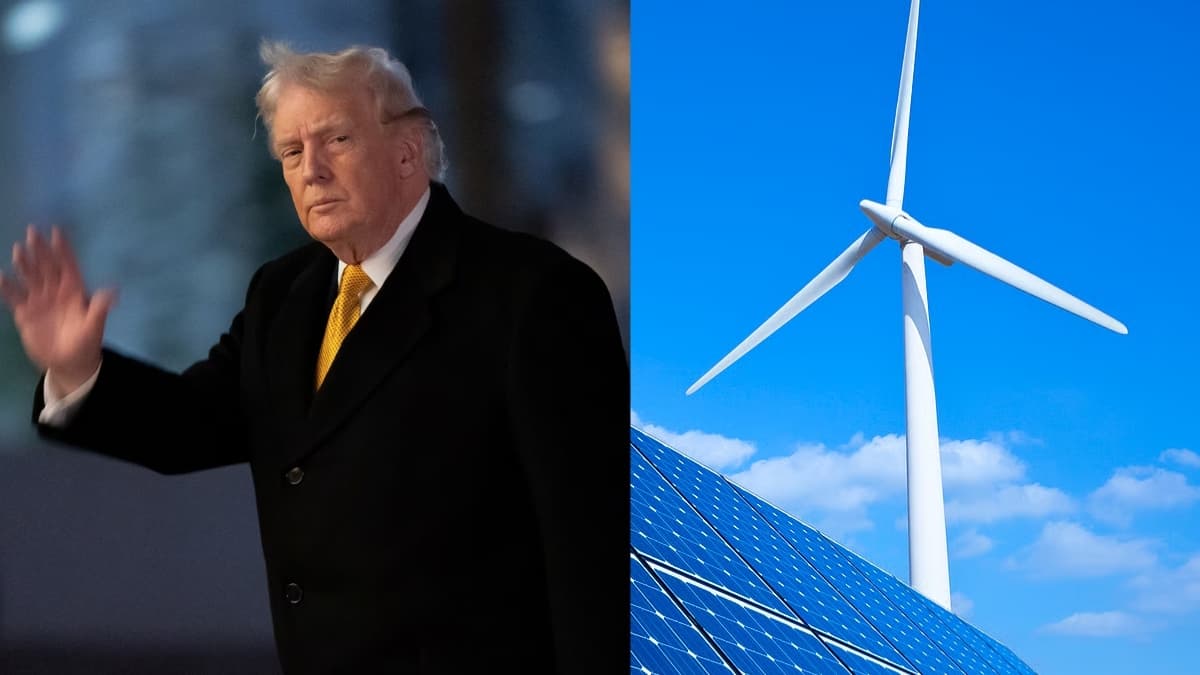
Washington / New Delhi, January 8, 2026: In a major shift in global climate and diplomatic engagement, US President Donald Trump has signed a memorandum directing the United States to withdraw from dozens of international organisations and agreements, including the International Solar Alliance (ISA) — the solar cooperation platform jointly launched by India and France.
The decision impacts 35 non-UN bodies and 31 UN-affiliated institutions, marking one of the largest rollbacks of US participation in global governance frameworks in recent history.
Read Also: Trump Trade Policies Drive Strongest U.S. Auto Sales Growth Since 2019
What the International Solar Alliance Represents
The International Solar Alliance is widely regarded as one of the most important global clean energy platforms. Founded by India and France, it helps sun-rich nations expand access to affordable solar power, promote technology sharing, attract international investment, and accelerate the fight against climate change.
With over 100 signatory countries and more than 90 ratified members, the alliance aims to mobilize one trillion dollars in solar investment by 2030, while sharply reducing technology and financing costs for developing economies.
India has played a leading role in shaping ISA’s global agenda, positioning the country as a central player in the renewable energy transition.
Why President Trump Is Pulling Out
The White House stated that the decision followed a review by the US Secretary of State and the President’s Cabinet. The administration concluded that continued participation in several global institutions no longer aligns with America’s national interest.
US Secretary of State Marco Rubio described many of the bodies as inefficient, poorly governed, and dominated by interests that conflict with US economic and strategic priorities. All federal departments have now been instructed to complete the withdrawal process without delay.
Energy Policy at the Center of the Shift
The decision also reflects President Trump’s consistent policy stance on energy. He has repeatedly emphasized the importance of strengthening US production of oil and natural gas, while expressing skepticism toward large-scale renewable mandates.
During his election campaign, Trump promoted the expansion of domestic energy production under the slogan "drill, baby, drill." He has argued that high renewable energy costs can burden economies and consumers.
In earlier discussions with Prime Minister Narendra Modi, Trump reportedly highlighted a major energy partnership focused on increased US oil and gas exports to India — underscoring a pragmatic approach to energy security.
A Broader Realignment of US Global Engagement
This is not the first time the Trump administration has redefined US participation in international frameworks.
In January 2025, Washington exited the Paris Climate Agreement and the World Health Organization, citing governance and accountability concerns.
In July 2025, the US also withdrew from UNESCO, stating that membership no longer served American interests.
The administration has indicated that further evaluations of US involvement in international organisations are ongoing.
Why the Decision Matters Globally
For the United States, the move signals a focus on domestic economic priorities, energy independence, and strategic autonomy.
For India and other developing nations, it raises new questions about financing and leadership within the global renewable energy transition — even as India continues to strengthen its role as a key climate and solar energy leader.