
Chandrayaan-3: A 'failure-based design', says ISRO chief
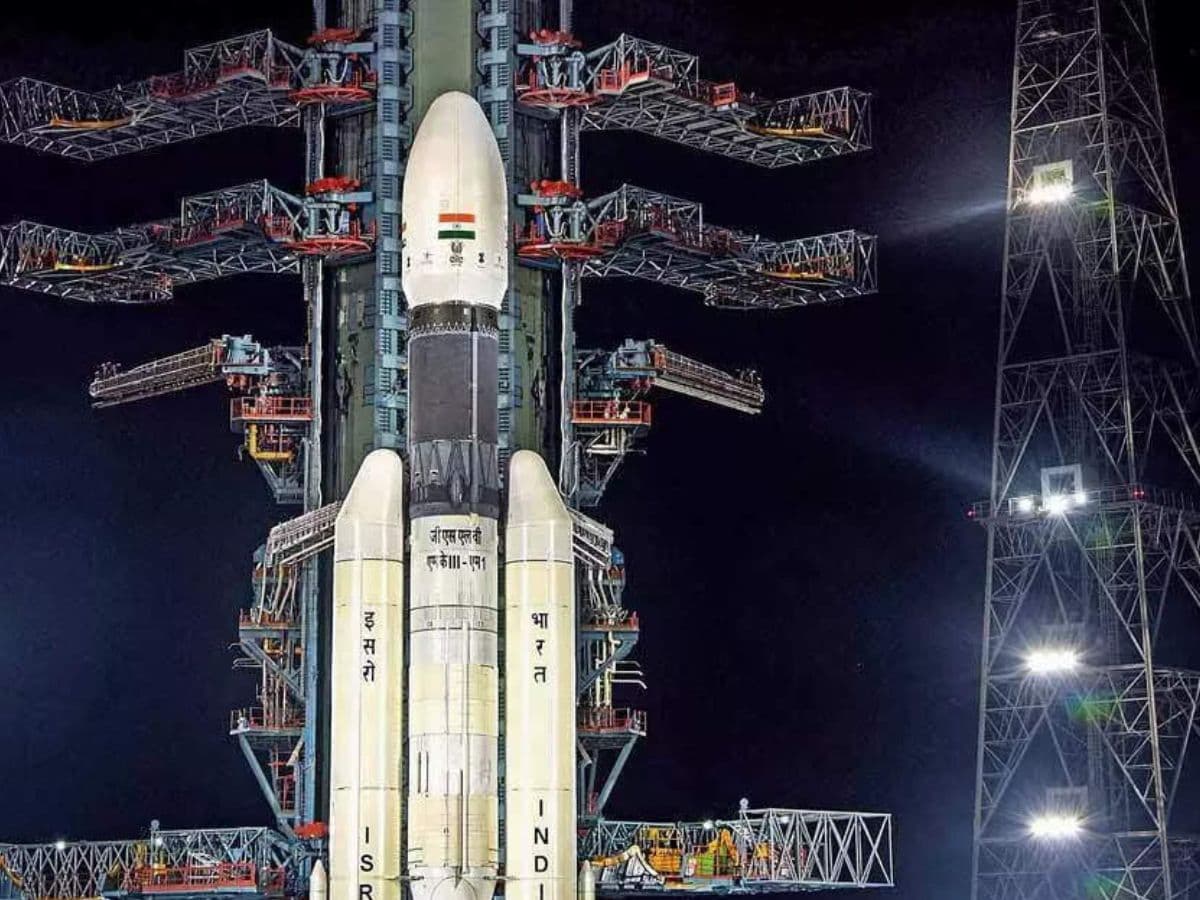
New Delhi: India's space agency, the Indian Space Research Organisation (ISRO), is gearing up for its next lunar mission, Chandrayaan-3. After the partial success of Chandrayaan-2, which faced challenges during its soft landing attempt, ISRO is taking a unique approach to ensure a successful mission this time around.
The agency's chief S. Somanath has referred to Chandrayaan-3 as a "failure-based design."In a recent statement, he explained that the term "failure-based design" means that ISRO is meticulously analyzing the failures and shortcomings of Chandrayaan-2 to rectify them and develop a more robust and reliable spacecraft for Chandrayaan-3. This means that the mission will be designed to anticipate and mitigate potential failures.
Somanath said that this approach was adopted after the failure of Chandrayaan-2's Vikram lander in 2019. The lander veered off its trajectory and crashed into the moon's surface.
The failure of Vikram Lander was a major setback for ISRO. However, the space agency learned a lot from the experience. Somanath said that Chandrayaan-3 will be designed to avoid the same mistakes that were made with Vikram Lander.
The failure-based design of Chandrayaan-3 will include a number of features. For example, the lander will have a more robust navigation system. It will also have a number of redundant systems in case of failure.
Somanath said that he is confident that Chandrayaan-3 will be a success. He said that the space agency has learned from its mistakes and that the mission is well-planned.
The launch of Chandrayaan-3 is scheduled for 14 July 2023. The mission is expected to take about a month to reach the moon. If the mission succeeds, it will be a major achievement for ISRO and India.
Here are some additional details about the failure-based design of Chandrayaan-3:
- The lander will have a more robust navigation system that will be able to better compensate for errors.
- The lander will have a number of redundant systems in case of failure. For example, if one of the engines fails, the lander will still be able to land safely.
- The lander will be equipped with a number of sensors that will monitor its performance and send data back to Earth. This data will be used to improve the design of future lunar missions.
The failure-based design of Chandrayaan-3 is a significant improvement over the design of Vikram lander. It is a testament to the learning and innovation that has taken place at ISRO since the failure of Chandrayaan-2.
The success of Chandrayaan-3 would be a major achievement for ISRO and for India. It would show that India is a major player in the global space race and that it is capable of carrying out complex and challenging missions.