
India’s Climate Challenge Intensifies as Power Demand Hits Record 256 GW in April 2026, up 8.9% YoY, Says Uniqus Report
Mumbai, 3rd June 2026: Uniqus Consultech today released its latest Sustainability & Climate Pulse. The report highlights how India's climate challenge is rapidly evolving into a broader macroeconomic and transition issue, with implications for growth, inflation, and energy stability.
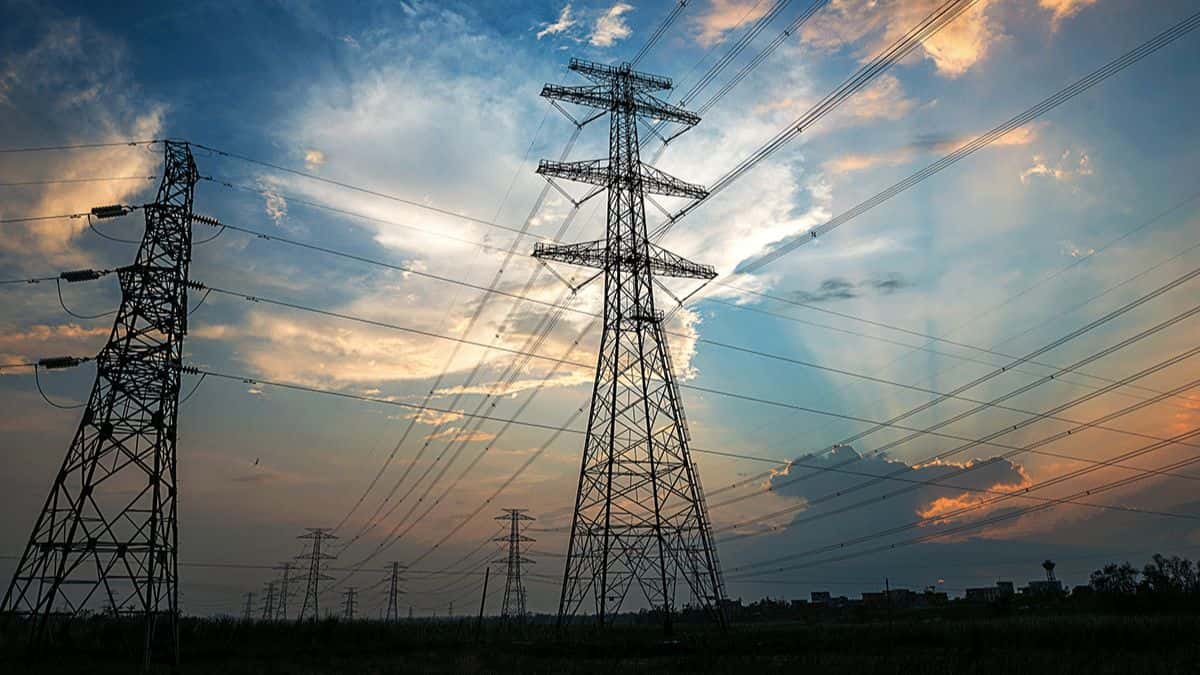
India recently met its highest-ever peak electricity demand of 256 GW on 25th April 2026, with power consumption rising 8.9% year-on-year, even as extreme heat events intensify across the country. Nearly 65 GW of new capacity additions in the financial year 2025–26 supported this surge, reflecting the scale and urgency of India's energy demand growth.
Efficient grid management, optimized dispatch planning, and strong coordination across national and regional load dispatch centers have helped India manage rising power demand. The data also highlights the growing role of renewable energy in the power mix, with solar alone contributing over one-fifth of total generation during peak demand hours.
At the same time, the government’s Rs 37,500 crore coal gasification program, aimed at reducing reliance on imports and supporting domestic manufacturing, underscores a pragmatic, dual-track transition strategy balancing renewable expansion with energy security.
Anu Chaudhary, Partner and Global Head, Sustainability & Climate Consulting (SCC), Uniqus, said, "India's climate challenge is increasingly becoming a macroeconomic and transition challenge. The convergence of record heat events, the potential impact of El Niño, and geopolitical uncertainty is creating interconnected pressures across energy systems, food supply, and inflation. At the same time, India is actively navigating this complexity through a pragmatic approach, scaling renewable energy while continuing to rely on conventional capacity to ensure reliability and energy security. This dual-track transition reflects the realities of a high-growth economy. The focus is now shifting from climate as a long-term goal to climate as an immediate business and economic risk. For organizations, this underscores the need to build resilience into core strategy: across operations, supply chains, and capital allocation."
Transition Reality: Balancing Growth, Energy Security, and Sustainability
According to Uniqus, India’s transition pathway reflects a pragmatic, non-linear approach, with solar contributing over one-fifth of peak generation, signaling rapid renewable scale-up. Thermal power continues to account for nearly two-thirds of total generation, ensuring grid stability and baseload supply.
Policy measures target reducing import dependence, with fuel and industrial imports totaling nearly Rs 2.77 lakh crore, underscoring the need for domestic capability building. This highlights that India’s climate transition is increasingly shaped by economic resilience, industrial priorities, and energy reliability, rather than just emissions targets.
India’s expanding BRSR Core framework is shifting ESG reporting beyond direct operations to value chains, where most environmental and social impacts occur. The key challenge lies in accurately attributing ESG metrics across suppliers with varying data maturity and limited reporting capabilities. As reporting evolves, companies will need stronger methodologies, supplier engagement, and transparent assumptions to ensure reliable and comparable disclosures.
Climate Risks Expanding Beyond Environmental Impact
The Uniqus report highlights a key shift: climate risk in India is no longer confined to environmental impacts; it is becoming a systemic economic factor.
Record heat events across the country, combined with the risk of a potential El Niño event and geopolitical uncertainty in the Middle East, could create simultaneous pressures on:
-
Food systems and agricultural output
-
Water availability and resource management
-
Energy demand and pricing
-
Inflation and overall economic stability
Together, these pressures signal that climate risk in India has moved from a long-term planning consideration to an immediate operational and financial priority for businesses across sectors.