
India's 500 MWe Fast Breeder Reactor Achieves First Criticality at Kalpakkam
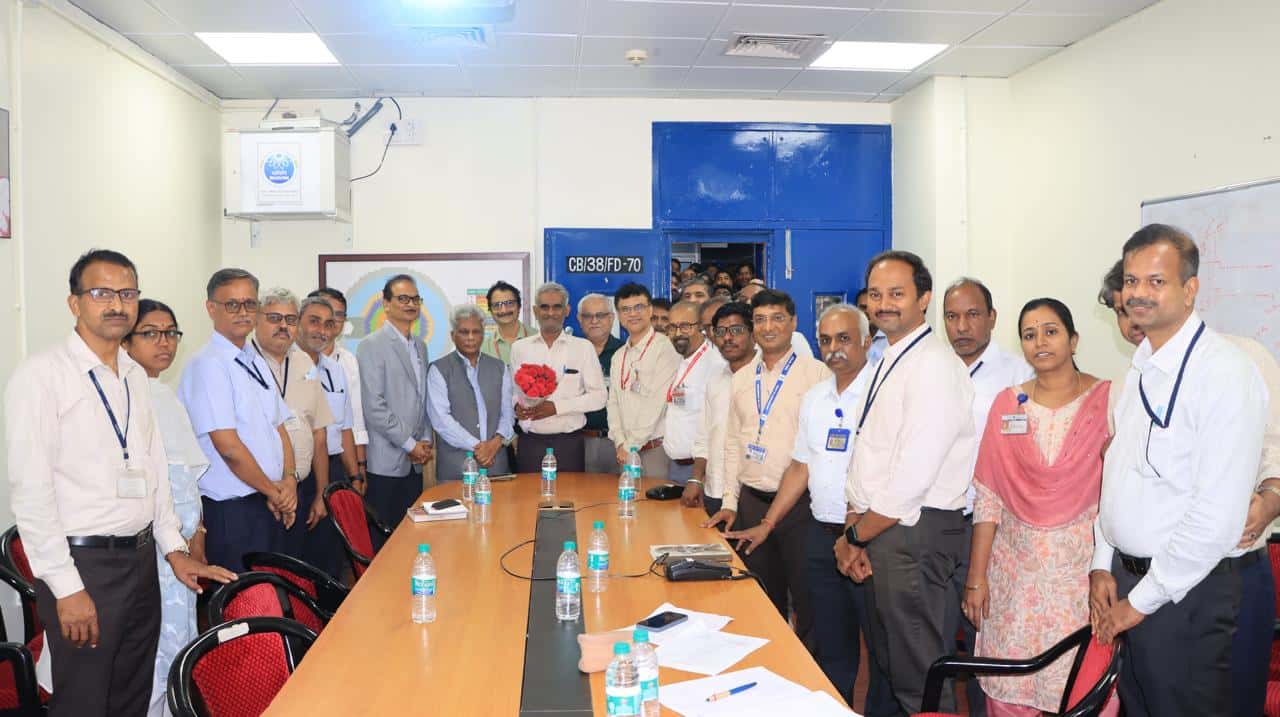
New Delhi: India crossed a defining threshold in its energy journey on the evening of April 6, 2026. The 500 MWe Prototype Fast Breeder Reactor — commonly known as the PFBR — achieved first criticality at 8:25 PM at the Kalpakkam nuclear facility in Tamil Nadu, confirming the start of a controlled fission chain reaction inside the reactor core.
What First Criticality Means and Why It Matters
First criticality is the moment a nuclear reactor sustains a controlled chain reaction for the first time. For India, this is not just a technical checkpoint — it is the opening of an entirely new chapter in domestic energy production. The PFBR is the only operating fast breeder reactor of its scale being developed outside Russia, making this achievement globally significant. The reactor was cleared by the Atomic Energy Regulatory Board (AERB) only after a detailed and rigorous safety review of all plant systems, confirming that every safety parameter was fully met before the reactor was allowed to go critical.
The Technology Behind the Reactor
What sets the PFBR apart from India's existing fleet of Pressurised Heavy Water Reactors is its fuel cycle. The reactor runs on Uranium-Plutonium Mixed Oxide fuel, with its core surrounded by a blanket of Uranium-238. Fast-moving neutrons strike this blanket and convert the fertile Uranium-238 into fissile Plutonium-239 — meaning the reactor generates more usable fuel than it actually consumes. Furthermore, the blanket will eventually incorporate Thorium-232, which through nuclear transmutation becomes Uranium-233. That converted fuel will power the third and final stage of India's nuclear programme. This closed fuel cycle also dramatically reduces radioactive waste compared to conventional reactors, addressing a long-standing concern around nuclear energy sustainability.
Indigenous Effort — IGCAR and BHAVINI Lead the Way
The entire design and technology development of the Prototype Fast Breeder Reactor was carried out by the Indira Gandhi Centre for Atomic Research, a research institution under the Department of Atomic Energy. Construction and commissioning were handled by Bharatiya Nabhikiya Vidyut Nigam Limited, a PSU also under the Department of Atomic Energy. The project used predominantly indigenous components, materials and manufacturing processes — a significant demonstration of Atmanirbhar Bharat in one of the world's most demanding engineering disciplines. The milestone was witnessed by Dr Ajit Kumar Mohanty, Secretary of DAE and Chairman of the Atomic Energy Commission, along with senior officials from IGCAR and BHAVINI.
Impact on India's Energy Security and Clean Power Goals
India holds some of the world's largest deposits of thorium but comparatively modest uranium reserves. Fast breeder technology directly addresses this imbalance by squeezing far greater energy out of limited uranium while building toward thorium utilisation at scale. As the country works to expand its clean energy capacity, the PFBR fills a critical gap — it delivers reliable, base-load, low-carbon power that wind and solar simply cannot provide around the clock. For investors watching India's energy sector, this development reinforces the long-term relevance of nuclear PSUs like BHAVINI and the broader Department of Atomic Energy ecosystem. Meanwhile, thousands of scientists, engineers and technicians who contributed to the project over decades now see their work validated at the highest level.
Road Ahead — What Comes Next for PFBR
Achieving first criticality is the beginning, not the end. The reactor will now move through progressive power escalation tests before reaching full commercial output. Additionally, the knowledge base built through PFBR directly enables India to design and construct a fleet of larger commercial fast breeder reactors in the coming decades. The government has already indicated plans for additional fast breeder units, and the Prototype Fast Breeder Reactor will serve as the operational reference point for all future designs. India's three-stage nuclear programme — long considered an ambitious long-term vision — now has a functioning second-stage reactor, bringing the thorium-powered third stage meaningfully within reach.