
Indian Oil and HPCL Buy 8 Million Barrels of Crude via Spot Tenders
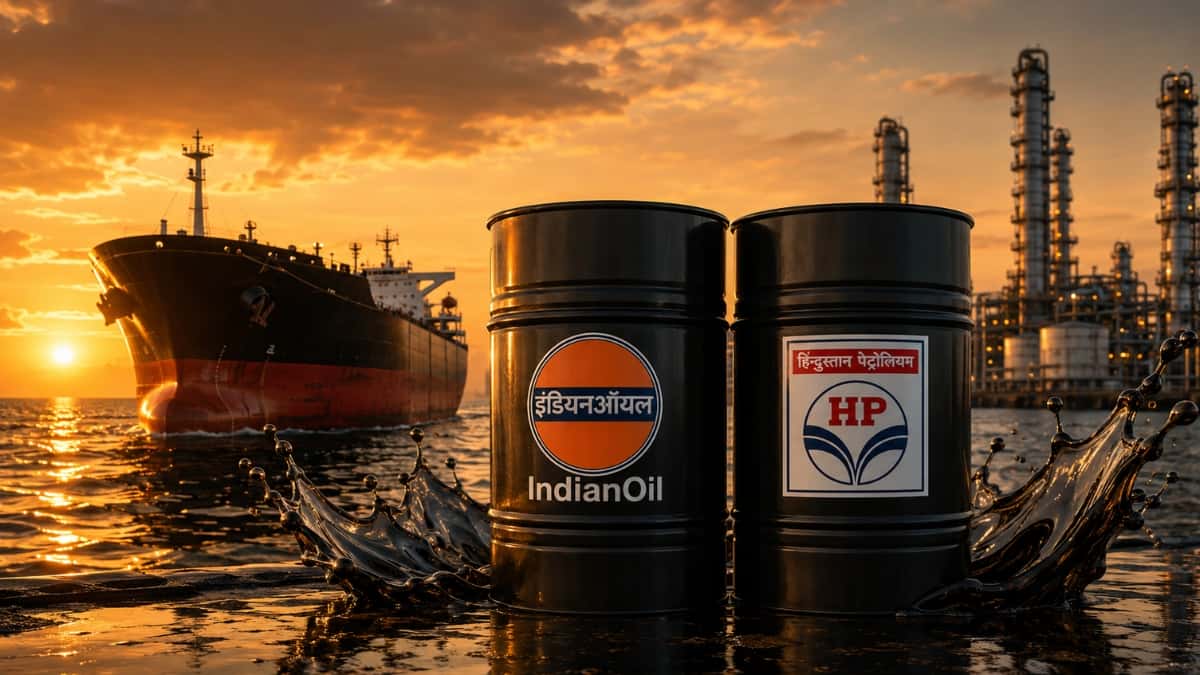
New Delhi, July 6, 2026: India’s two largest state-owned oil companies have added fresh crude supplies to their books. According to trade sources, Indian Oil Corporation (IOC) and Hindustan Petroleum Corporation (HPCL) together purchased around 8 million barrels of crude oil through spot tenders issued last week.
This deal reflects the regular practice followed by Indian refiners to balance their long-term contracts with short-term market purchases. The fresh cargoes are scheduled to reach Indian ports between late August and early September.
Why This Purchase is Significant
Indian refiners need steady crude supplies to keep their plants running at good capacity. With rising fuel demand during the monsoon and festival season, such timely purchases help maintain smooth operations. Spot tenders give companies the advantage of choosing suitable crude grades at competitive prices from different parts of the world.
IOC, the country’s biggest refiner, and HPCL, another major player, often team up or act separately in the international market depending on their requirements. These kinds of deals allow them to manage costs better and reduce dependence on any single source.
Current Oil Import Scenario in India
India imports more than 85 percent of its total crude oil requirement. The country buys crude from many regions including the Middle East, West Africa, Russia, the US, and Latin America. Spot purchases like this one play an important role in filling gaps and taking advantage of favourable market conditions.
Market experts say such moves also help Indian companies stay flexible amid changing global oil prices and supply situations. While exact details of the crude grades and sellers have not been made public, these tenders usually attract interest from major international suppliers.
This latest purchase comes at a time when global oil markets remain watchful of production decisions by OPEC+ countries and other geopolitical developments. For Indian refiners, ensuring regular feedstock is key to meeting domestic fuel needs without disruption.
The development was first reported by international news agencies based on information shared by trade sources familiar with the matter.