
AI In iGaming: How Algorithms Build A Personal Entertainment Feed For Every Player
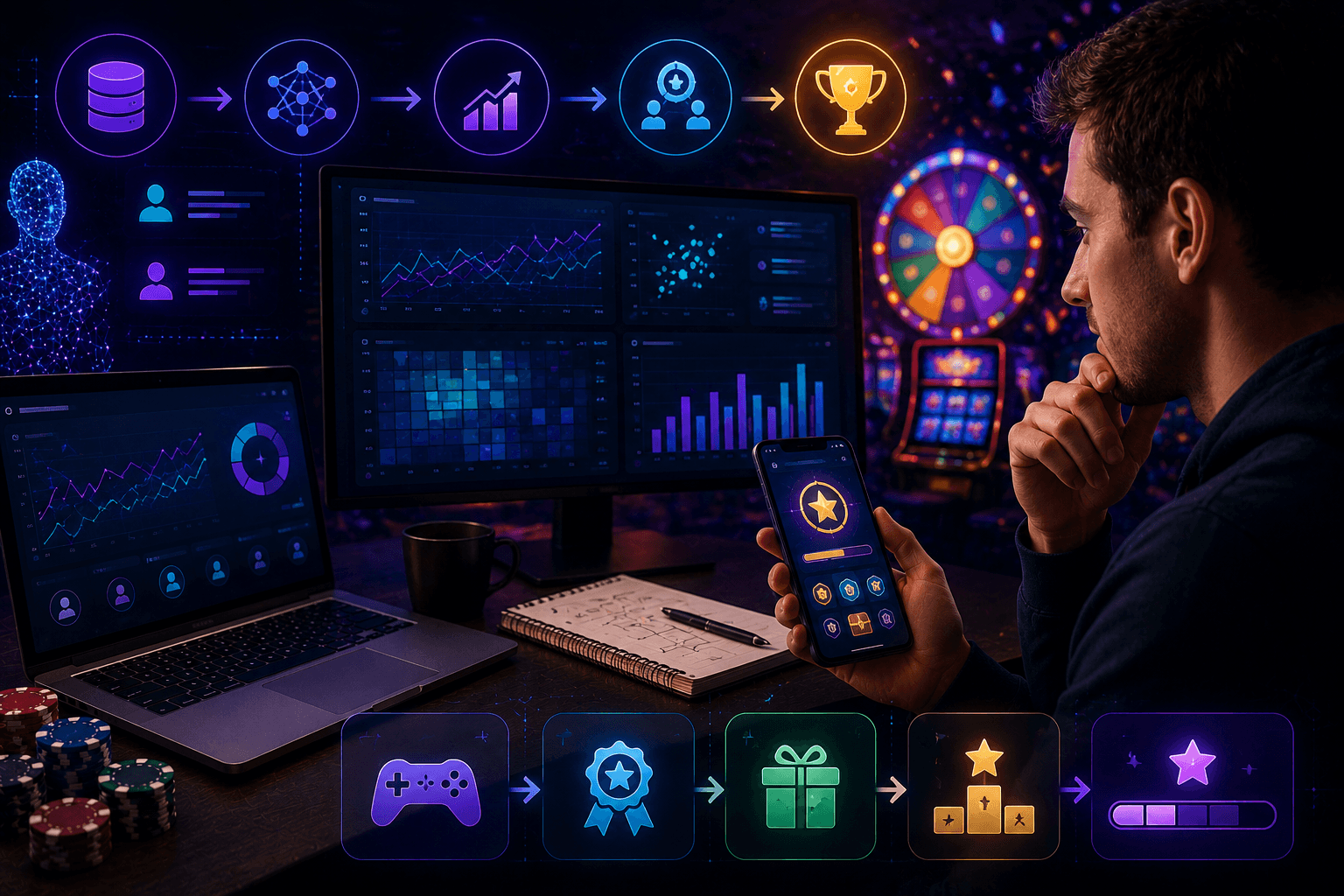
The average online casino in 2026 offers thousands of slots, hundreds of live tables and thousands of daily sports events. No user can navigate that volume without help. The industry's answer to that problem is the same technology Netflix, Spotify and TikTok have been using for years: machine learning algorithms that filter content in real time based on individual behavior patterns.
The End Of Static Sites – Why The Industry Needed AI
For years, casino platforms worked like digital catalogues. Every user saw the same homepage, the same banner layout and the same promotional offers regardless of what they actually played or when they logged in.
That model stopped working when content volume exceeded what a human could process in a single session. Information overload pushed platforms to rethink the user experience from the ground up, and machine learning provided the architecture to do it at scale without manual curation for each individual user.
Pin Up Casino and Sportsbook represents one of the operators that moved early on this shift, replacing static layouts with dynamic feeds that respond to session history rather than editorial decisions made weeks in advance. The dual-vertical structure of the platform made personalization especially relevant, since users switching between casino and sports betting expect both sections to reflect their individual preferences without resetting to a generic default view.
How It Works In Practice – Predictive Analytics And Gamification
AI personalization in iGaming goes beyond sorting games by category. Predictive systems analyze the digital footprint each player leaves: preferred volatility levels, session length, time of day, favorite sports markets, betting frequency and response to bonus offers.
If the system detects that a user plays crash games during short lunchtime sessions, it will automatically surface those titles at the top of the mobile interface during that time window. The same logic applies to sports betting: a user who consistently bets on South American football will see those markets prioritized over others with no manual configuration required.
Personalization also reaches the bonus layer. Instead of sending the same promotion to every registered user, AI-driven systems generate individual quests, tournaments and cashback offers matched to each player's betting style and bankroll. The following factors are typically used to build those personalized offers:
- Session frequency and average duration
- Game category preferences and volatility tolerance
- Response rate to previous bonus activations
- Deposit patterns and preferred payment methods
- Device type and time zone activity
This approach increases engagement because the offer the user sees is relevant to how they actually play, not to what the marketing calendar scheduled for that week.
Smart Interfaces In Action – Lessons From Market Leaders
Implementing recommendation systems at this level requires significant computing infrastructure and continuous work with large datasets. Most operators cannot afford that level of technical investment, which is why the trend is led by platforms with the resources to maintain real-time data pipelines at scale.
One operator that has integrated AI-driven customization into its user experience is Pin Up, which adjusts the interface dynamically when a player logs in: favorite slots, personalized sports markets and relevant live rooms are selected automatically based on past sessions. The result is that the time a user spends searching for content drops significantly, and the transition between sections feels seamless rather than disjointed.
PinUp extends this experience across multiple markets with localized content feeds that adjust not just to individual behavior but also to regional preferences, language settings and locally relevant sports events. The same recommendation logic applies across both casino and sports betting verticals simultaneously, so a user switching between sections sees a feed that reflects their full activity history rather than starting from a generic default view.
What This Means For The Future Of iGaming
AI has turned entertainment platforms from static catalogues into adaptive systems that respond to each user in real time. Pin Up World is an example of how this model scales globally: localized feeds, regional content priorities and individual behavior data combine into a single interface layer that adjusts without any input from the player.
The platforms that win the next competitive cycle will not be those with the largest game library but those that can deliver the right content to the right user at the right moment without requiring any manual configuration from the player themselves.