
Cataracts: When Everyday Life Starts to Blur
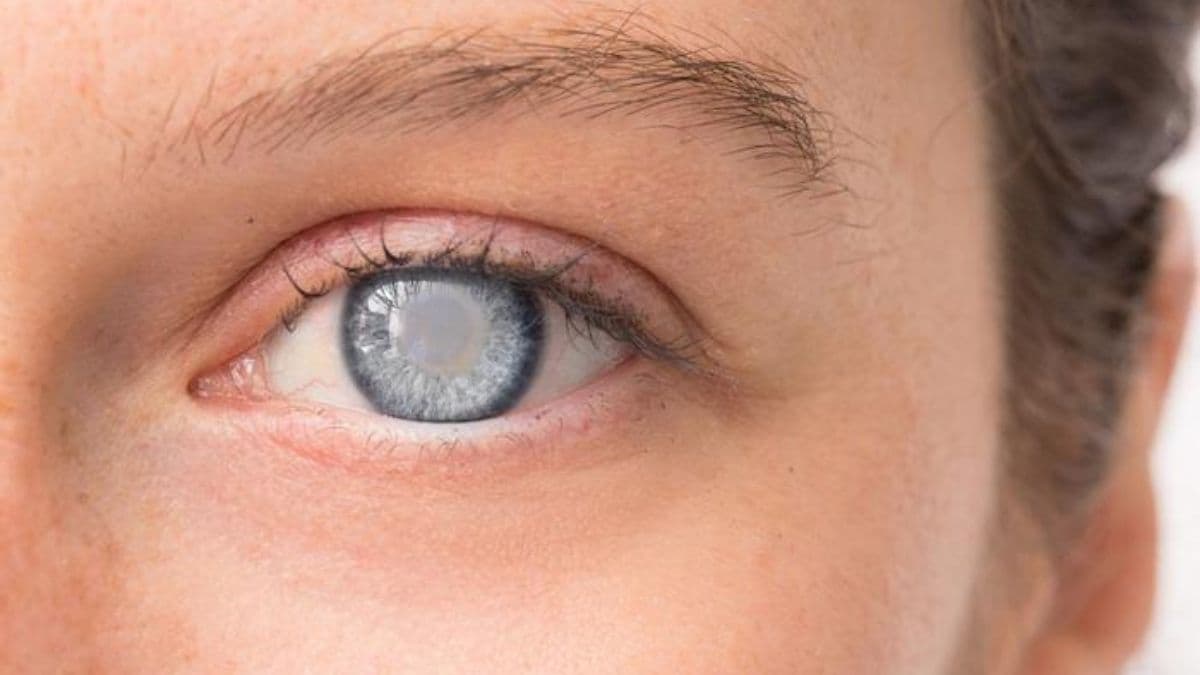
Vision plays a vital role in how we experience the world, yet many people begin to appreciate its importance only when it starts to fade. Cataracts are among the most common age-related eye conditions. It develops gradually and often painlessly. Cataracts cause problems in the eye’s natural lens, which gradually becomes cloudy. Everyday activities that once felt effortless slowly turn challenging, affecting both independence and quality of life.
Early Signs
Initially, cataracts are hard to notice. At the early stage, the need for more light for reading and the regular use of bright flashlights becomes irritating. The vision becomes increasingly diffused and foggy, and the perception of details turns into challenges. This loss of clear vision can become frustrating as cataracts tend to develop slowly.
Impact on Daily Activities
As cataracts advance, daily activities become increasingly difficult. Reading takes longer even with stronger glasses, cooking becomes challenging, and driving at night can feel unsafe due to glare and halos around lights. Many individuals avoid driving after sunset, which can limit mobility and independence. Household activities may also pose a higher risk of falls due to reduced depth perception.
Effect on Social Life and Emotional Well-being
Beyond physical limitations, cataracts can affect social interactions. Difficulty recognising faces, reading expressions, or maintaining eye contact can make conversations tiring. Hobbies requiring detailed vision—such as sewing, gardening, or painting—may no longer be enjoyable, leading to frustration, reduced confidence, and social withdrawal.
Treatment, Care, and Lifestyle Measures
The good news is that cataracts are treatable. Cataract surgery is a safe and routine procedure. The treatment replaces the cloudy lens with a clear artificial lens, often restoring excellent vision. Until surgery is advised, patients can manage symptoms by using updated spectacles, adequate lighting, sunglasses to reduce glare, and keeping living spaces clutter-free. A healthy lifestyle, including a balanced diet, regular exercise, avoiding smoking, and managing conditions like diabetes, supports overall eye health.
Conclusion
While cataracts may gradually cloud vision, they need not cloud life. With awareness, timely care, and appropriate treatment, individuals can continue to lead active, independent, and fulfilling lives. Clear vision is not just about seeing better; it’s about living better.