
India–US Trade Deal: $500 Billion Promise or Political Optics? What Really Changed After Trump–Modi Call
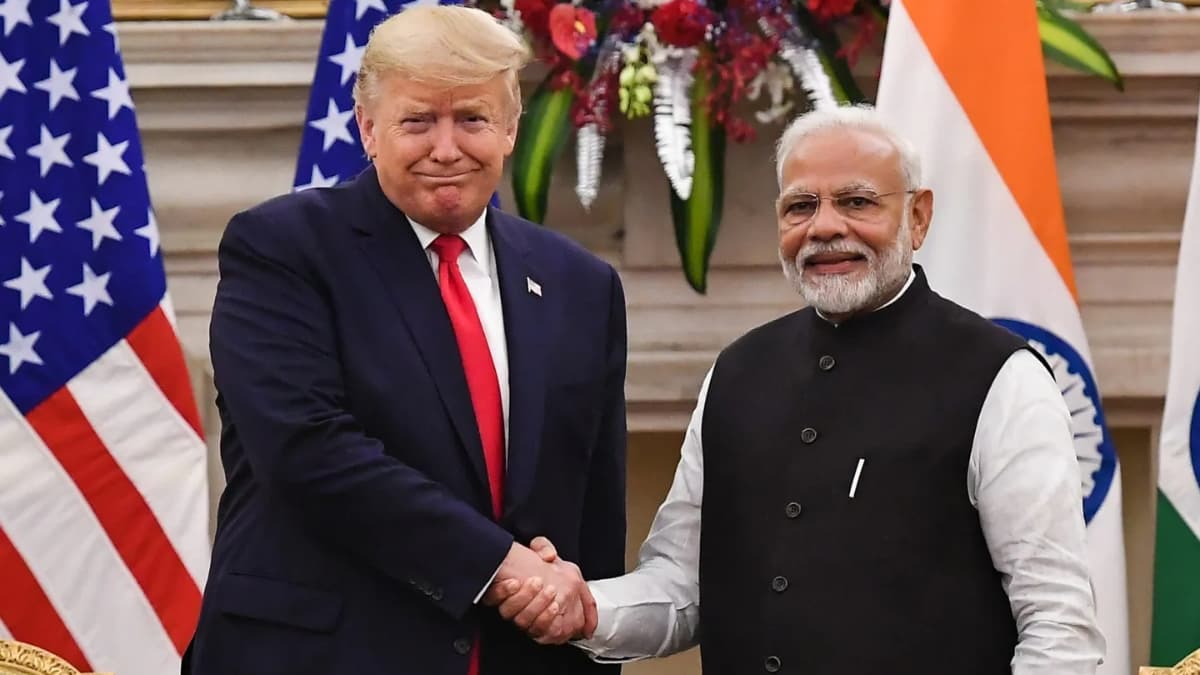
New Delhi: A phone call between Prime Minister Narendra Modi and U.S. President Donald Trump has put the India–US trade relationship back in the global spotlight. Headlines screamed about a $500 billion deal, lower tariffs, and a reset in bilateral ties — but beneath the bold claims lies a more nuanced reality.
So, did India actually commit half a trillion dollars to the United States? Or is the number more political messaging than contractual obligation?
What Has Clearly Changed
The most concrete outcome of the Trump–Modi conversation is tariff relief for Indian exporters. Indian goods entering the U.S. market will now face an 18% tariff, replacing the earlier, significantly higher rate imposed during a period of strained negotiations.
For Indian exporters — particularly in engineering goods, chemicals, textiles and auto components — this is a tangible win. The new rate is not only lower than the previous U.S. tariff regime but also more competitive compared to some regional peers, restoring predictability for businesses that had been operating under uncertainty for nearly a year.
Equally important is the political signal: Washington has stepped back from trade penalties linked to India’s energy purchases, removing a major irritant that had complicated negotiations.
The $500 Billion Question: Commitment or Conversation Starter?
The figure that grabbed the most attention — $500 billion — has sparked confusion and debate.
There has been no formal announcement from India committing to a $500 billion purchase or investment package. No timelines, sectoral break-ups, or legal framework have been released. What appears to be emerging instead is a long-term ambition, not a binding pledge.
Trade experts point out that India’s total annual goods trade with the U.S. is far below this number. Reaching $500 billion would require years of sustained growth, expanded energy imports, deeper defence and technology collaboration, and a sharp rise in high-value manufacturing trade.
In other words, the number reflects directional intent, not a cheque being written.
Why Both Sides Are Calling It a “Win-Win”
From Washington’s perspective, the deal helps project momentum on trade, boosts prospects for U.S. exports — especially energy, defence and advanced technologies — and strengthens strategic ties with India.
For New Delhi, the immediate benefit lies in tariff stability, renewed market access, and the reopening of a dialogue that had stalled. The agreement also gives India more negotiating room as it balances strategic autonomy with global partnerships.
Union Minister Ashwini Vaishnaw’s description of the understanding as “win-win” reflects this balance — gains without hard commitments that could constrain domestic policy.
What Happens Next
This is not a final trade pact. It is a framework moment.
Key elements — including sector-specific concessions, investment flows, rules of origin and regulatory alignment — will now move into detailed negotiations. Any meaningful expansion of trade volumes will depend on follow-up agreements, not phone-call diplomacy alone.
The Bottom Line
The India–US trade announcement marks a reset, not a resolution.
-
✔ Tariffs at 18%: Real, immediate and economically meaningful
-
❌ $500 billion deal: Aspirational, not contractual
-
➡️ Future impact: Depends entirely on how talks progress from here
For now, the deal offers relief to exporters, optimism to markets, and political wins to both leaders — but the real test will be in execution, not headlines.