
Thailand and Cambodia Agree to Border Ceasefire After Weeks of Fighting
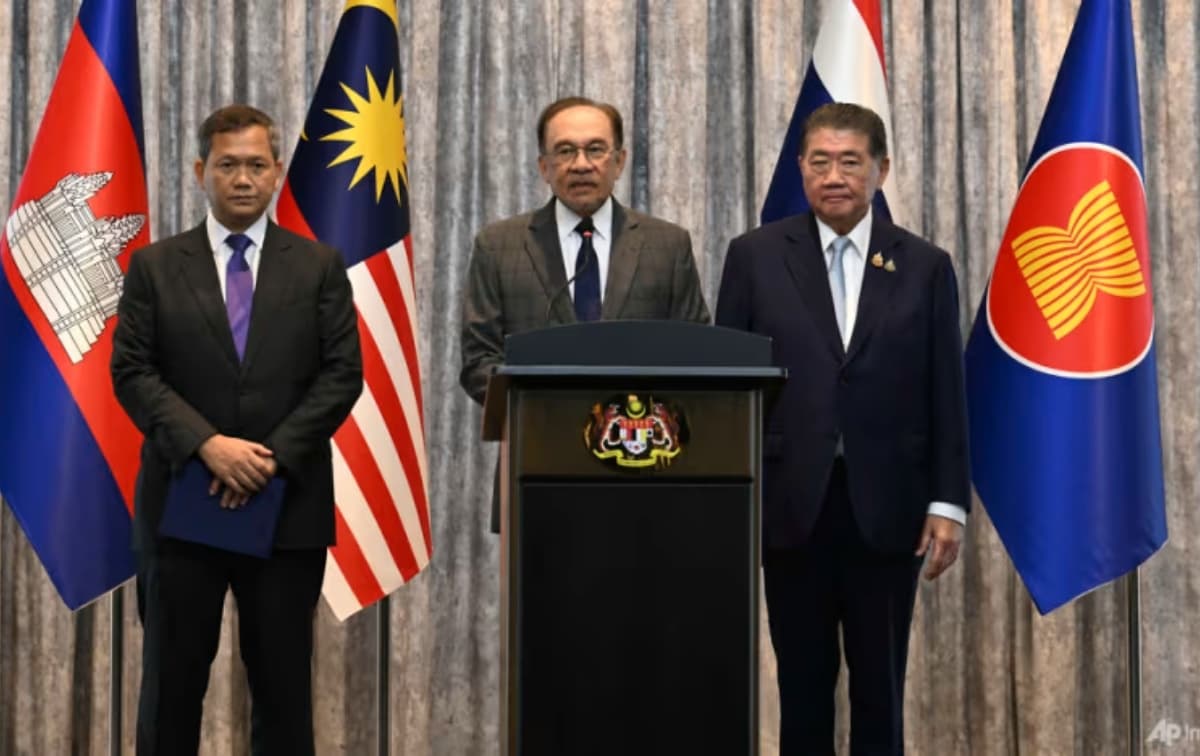
New Delhi: In a major step toward peace, Thailand and Cambodia have signed a ceasefire agreement to end nearly three weeks of deadly border clashes. The deal was reached during a special meeting of the General Border Committee (GBC) held on Saturday at a border crossing in Chanthaburi Province.
The ceasefire, which officially took effect at noon local time on December 27, aims to halt all military hostilities along the 800-kilometer frontier.
Key Terms of the Agreement
Under the new deal, both nations have committed to several immediate actions to lower tensions:
-
Stop All Attacks: A total ban on the use of all weapons and a halt to any military movements or reinforcements.
-
Release of Prisoners: Thailand has agreed to return 18 Cambodian soldiers captured during previous clashes in July, provided the peace holds for at least 72 hours.
-
Civilian Safety: Both sides have pledged to stop attacks on civilian infrastructure and cooperate on clearing landmines to allow hundreds of thousands of displaced people to return home.
-
Monitoring: The ASEAN Observer Team (AOT) will help monitor the border to ensure both sides follow the rules.
International Support
The United States has warmly welcomed the news. In a statement, U.S. Secretary of State Marco Rubio praised the move and urged both leaders to stick to the deal. He specifically called on both countries to fully implement the Kuala Lumpur Peace Accords, a peace framework brokered earlier this year with help from the U.S. and Malaysia.
The United Nations also called the announcement a "positive step" to end the suffering of civilians caught in the crossfire.
A Fragile Peace
While the signing is a relief, the situation remains tense. The conflict, which involves long-standing disputes over ancient temple sites and colonial-era maps, has been the most violent in over a decade. Since early December, heavy artillery and airstrikes have killed dozens of people and forced over half a million to flee their homes.
Thai officials have warned that the first 72 hours will be an "observation period" to see if the ceasefire is genuine. Both governments say they are now looking toward long-term diplomacy to prevent another flare-up.