
Supreme Court Refers SARFAESI vs MPID Act Priority Dispute to a Larger Bench, Freezes ₹5.51 Crore
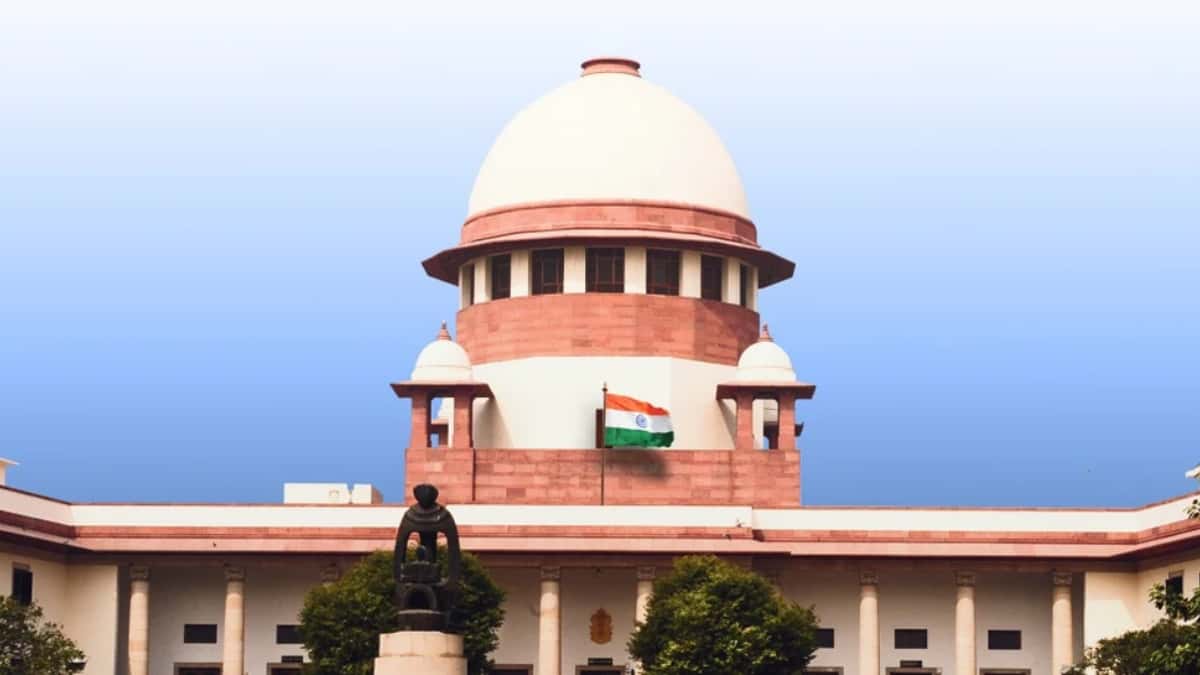
A Supreme Court bench of Justices J.B. Pardiwala and Ujjal Bhuyan has referred to a larger bench the question of who gets paid first when a bank's secured loan and a state depositor-protection law claim the same property. The judgment in State Bank of India v. State of Maharashtra (2026 INSC 1279) is dated 26 November 2026.
What the Court Did
The bench did not give a final ruling on the main issue. It asked the Chief Justice of India to set up a three-judge bench and, until then, ordered the State not to transfer, use or pay out ₹5,51,59,816 held in the matter. The bench also said its views differ from the Court's 2025 decision in the NSEL case.
The Dispute
SBI had lent to a company whose promoters mortgaged two properties in 2009. SBI classed the loan as a non-performing asset on 31 December 2012, with about ₹67.82 crore due. After depositors complained under Maharashtra's MPID Act, the State attached the properties. SBI auctioned them in 2015 with the Designated Court's permission. Of the sale money, ₹3.5 crore was kept in a fixed deposit, which grew to ₹5.51 crore.
The State received claims from 92 depositors totalling about ₹4 crore. It had paid ₹1.13 crore and ₹2.87 crore remained unpaid. The Sessions Court and the Bombay High Court (9 December 2025) refused SBI's request, relying on NSEL, which said the MPID Act prevails over SARFAESI.
The Bench's Views
-
Priority for banks: The bench said that, reading the two laws together, secured debts under SARFAESI should be paid before MPID Act deposits. It gave three reasons: SARFAESI is the later law, bank recovery is vital because banks hold public money, and Section 26E adds a priority for secured creditors.
-
Disagreement with NSEL: The bench disagreed with NSEL's view that MPID deposits are not "debts" under Section 26E. It said the deposits fall in the category of "all other debts".
-
Attachment still allowed: The State may attach secured property, but the bank's security interest runs with it and is not wiped out.
-
Dominant law: On bank "recovery of dues", the bench said SARFAESI is the dominant legislation under the Constitution's Union List (Entry 45).
Questions for the Larger Bench
-
Do MPID Act deposits fall within "all other debts" in Section 26E of SARFAESI?
-
Does reading the two laws together show that SARFAESI recovery has priority?
-
Is Parliament the dominant power on "recovery of dues", making SARFAESI prevail?
Message to Parliament
The bench suggested that Parliament amend Section 26E to define "all other debts", and asked the Department of Financial Services to consider it. It also asked the Registry to send copies of the judgment to the Finance Ministry and the Attorney General.