
DMRC Hosts I-Metro Signalling Meet on Metro Interoperability
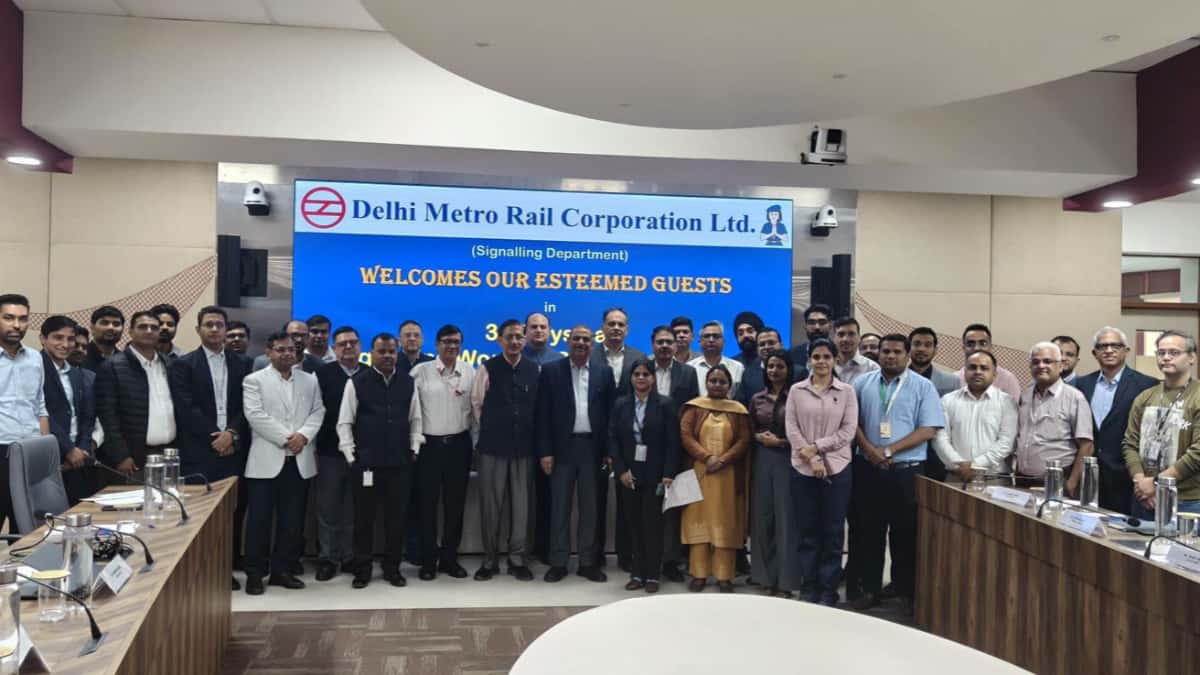
The Delhi Metro Rail Corporation (DMRC) hosted the 3rd physical meeting of the Signalling Working Group (SWG) under the I-Metro Society on 26 and 27 November 2026. It was held at the DMRC Academy in Shastri Park, Delhi. I-Metro is the Indian Metro Rail Organisations Society, a forum of Indian metro operators.
Who Attended
Forty signalling professionals and senior representatives took part from metro organisations including UP Metro, Kochi Metro, Gujarat Metro, Noida Metro, Gurugram Metro, Chennai Metro, Mumbai Metro and Maha Metro.
What Was Discussed
The theme of the two-day conference was interoperability. Topics included:
-
Signalling interoperability across metro systems
-
Standardising Unattended Train Operation (UTO) specifications
-
Optimising schedule speeds
-
Software and obsolescence management
-
Future network expansion and emerging signalling technologies
Participants also shared operational challenges and best practices to strengthen signalling strategies, contracts and policies across India's metro rail systems.
Industry Sessions and Depot Visit
Technical sessions were led by industry partners Nippon Signal, Core IP, Voestalpine, BEL and Belden. Delegates also visited DMRC's Mukundpur Depot. DMRC says the meeting ended with a renewed commitment to collaboration, innovation and operational excellence, to improve safety, reliability, efficiency and interoperability in urban rail.
Why Interoperability Matters
Metro signalling in India often comes from different vendors, which makes it hard to run or extend systems together. Common standards could make it easier to expand networks and manage equipment over its life. The meeting did not announce any new standard or policy.