
Government Accelerates Expansion of National Gas Grid to Enhance Energy Access and Sustainability
New Delhi: The Government of India has stepped up efforts to expand the National Gas Grid with the objective of improving energy accessibility, affordability and environmental sustainability nationwide. This update was provided by Suresh Gopi, Minister of State for Petroleum and Natural Gas, in a written reply in the Rajya Sabha.
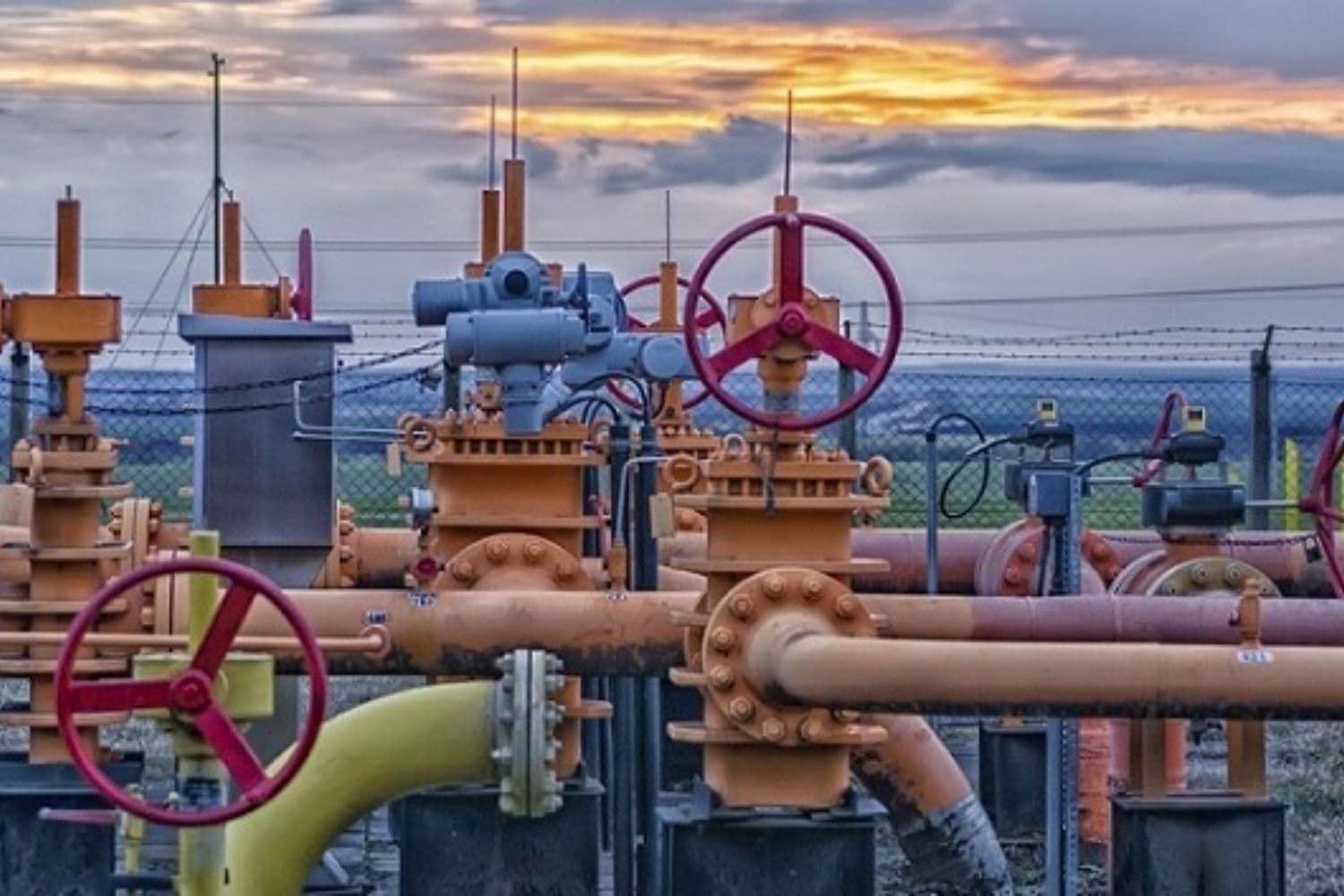
The Petroleum and Natural Gas Regulatory Board (PNGRB), the statutory body overseeing authorisation of natural gas pipelines, has so far sanctioned around 34,233 km of Natural Gas Pipeline (NGPL) network across the country. As of June 2025, 25,429 km of this network is operational, while 10,459 km is at various stages of construction. The authorised network comprises common carrier pipelines, spur lines, dedicated connectivity routes and associated links.
To fast-track the government’s “One Nation, One Gas Grid” vision, a series of initiatives have been rolled out. These include approval of major trunk pipelines, viability gap funding for regions with low initial gas demand, a unified tariff system for pipeline usage, expansion of the City Gas Distribution (CGD) network, creation of LNG import infrastructure and the provision of marketing and pricing freedom for gas produced from technically challenging fields such as deep-water, ultra-deep-water and HP/HT zones. The SATAT programme to promote Bio-CNG remains an important component of this roadmap.
The Centre continues to coordinate with state governments and implementing agencies to eliminate barriers and expedite pipeline construction across all regions.
The strengthening of the National Gas Grid is expected to deliver wide-ranging benefits. For households and CGD networks, improved availability of natural gas will support greater adoption of CNG and PNG, contributing to cleaner mobility and cleaner cooking fuel. For industries, reliable and competitively priced natural gas is poised to reduce production costs, stimulate investments, improve manufacturing competitiveness and create employment opportunities.
The expansion of the gas pipeline network is also aligned with national environmental goals by facilitating a shift towards cleaner fuels and reducing dependence on more polluting energy sources.