
ECI Enforces MCC with C-VIGIL & 5,000 Flying Squads for 2026 Assembly Elections
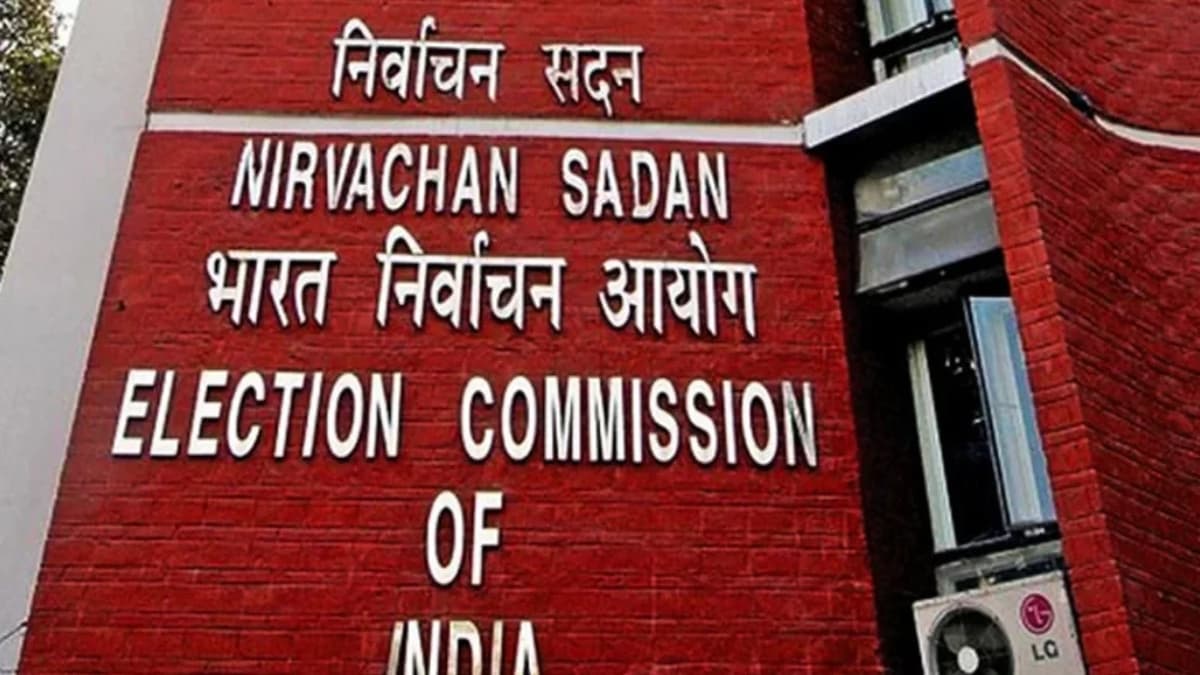
NEW DELHI: Just a day after announcing the high-stakes election schedule for five states and several by-elections, the Election Commission of India (ECI) has swung into action mode. On Monday, the ECI issued a strict set of directions for the immediate and uncompromising enforcement of the Model Code of Conduct (MCC).
With the notification published in the gazettes of Assam, Kerala, and Puducherry, the "beefed-up" surveillance machinery is now fully operational. The MCC is also applicable to the Central Government regarding any policy decisions or announcements concerning the poll-bound states of Tamil Nadu and West Bengal.
Here is a breakdown of what is now banned, what is mandatory, and the high-tech tools the ECI is using to ensure a level playing field for the 2026 Assembly Elections.
The Clock is Ticking: The 100-Minute Rule
In a bid to make action instant and visible, the ECI has activated its rapid-response mechanism. If you spot a banner on a wall without permission or a minister misusing an official vehicle, you don't need to visit the police station.
-
The C-VIGIL App: Citizens can now ge-tag and report MCC violations instantly through the C-VIGIL portal on ECINET. The app ensures that every complaint is tracked and acted upon.
-
The Swift Squad: To back this up, over 5,173 Flying Squads have been deployed across the states. Their orders are clear: reach the spot and act on any complaint within 100 minutes.
-
Static Surveillance: In addition to the flying squads, more than 5,200 Static Surveillance Teams (SSTs) have also been deployed to keep a watch on suspicious activities and expenditure.
What is Strictly BANNED Starting Today?
The Commission, led by the Chief Election Commissioner, has made it clear that there will be zero tolerance for "ad-hoc" rule-breaking. The following activities are now prohibited with immediate effect:
-
Defacement Without Consent: "Land, buildings, or walls shall not be used for flags, banners, or posters without the owner’s consent." If you see a political poster on a private wall, it must have written permission, or it will be removed by the defacement removal teams.
-
The "Royalty" Treatment: Ministers and politicians have been stripped of official perks for campaigning. There is a strict ban on combining official government tours with electioneering. Using official vehicles, aircraft, or government staff for campaign work is a direct violation of the MCC.
-
Paid News & Advertisements: Political parties cannot issue advertisements at the cost of the public exchequer to highlight their achievements. The privacy of citizens must also be respected, with no demonstrations or picketing outside private residences.
Hotline 1950: Your Direct Line to the EC
For those who prefer the old-school method, the ECI has set up a dedicated Call Centre number. If you witness any malpractices, you can dial 1950 to lodge a complaint with the concerned District Election Officer (DEO) or Returning Officer (RO). A robust complaint monitoring system has been put in place to ensure no grievance is ignored.
First Come, First Serve: The SUVIDHA Rule
To ensure no political party has an unfair advantage regarding public grounds and helipads, the ECI has activated the SUVIDHA module on ECINET. All political parties must now apply for permission to use public places (maidans, stadia, and helipads) through this system, and allocations will be made strictly on a first come, first serve basis.
As the poll bugle sounds for these states, the ECI has made its stance clear: the MCC is not just a document, but a binding contract to ensure fair play. All eyes will now be on the enforcement teams to see if they can keep the 100-minute promise.