
Harnessing geothermal energy will strengthen the goal of Green Himachal.
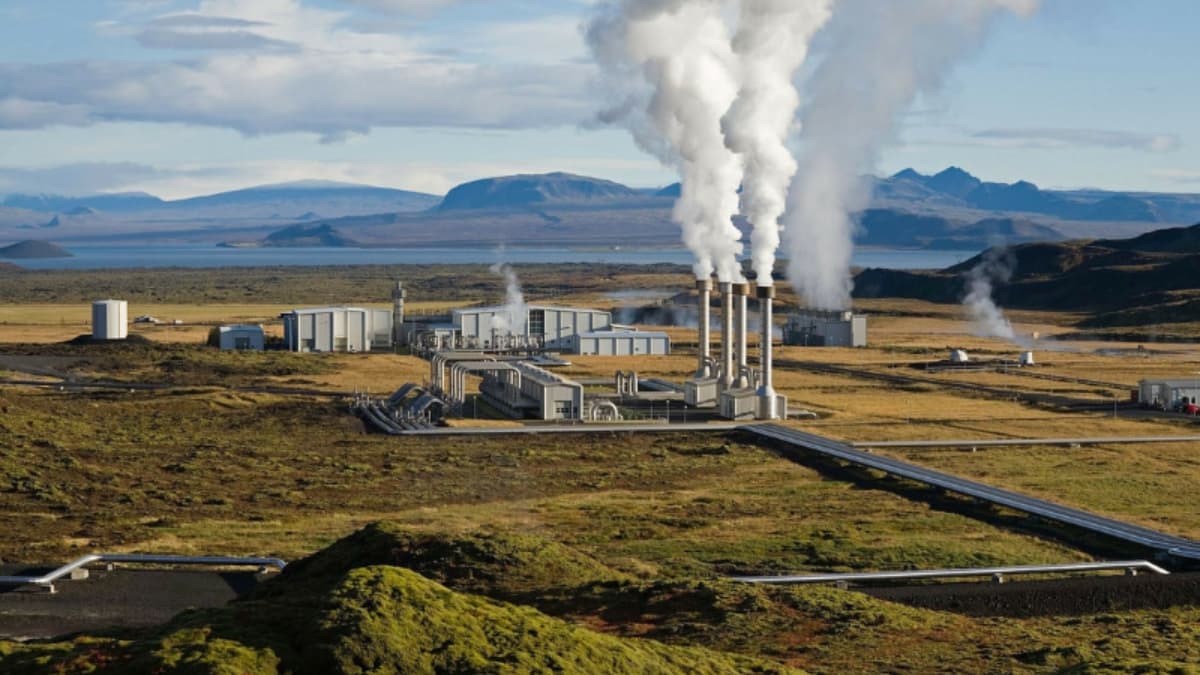
Chief Minister Thakur Sukhwinder Singh Sukhu, while presiding over a meeting with senior officials in Shimla last evening, said that the state government has set a target of making the state a 'Green Energy State' by the year 2026, under which more than 90 percent of the energy needs of the state will be met from renewable energy sources.
He said the state government is working with the goal of "system change" to develop Himachal Pradesh into a clean, self-reliant, and environmentally friendly state. He said that in light of the growing challenges of climate change, the state government is now taking concrete steps toward utilizing geothermal energy.
The Chief Minister said that Himachal Pradesh is already a leader in hydropower generation and is now moving towards reducing its dependence on fossil fuels like coal, diesel and wood through an integrated approach of hydro, solar and geothermal energy. He said that in view of the changing climate scenario, geothermal energy can prove to be a sustainable, safe and reliable renewable energy source, which will further strengthen the state's energy security.
The Chief Minister stated that areas like Manikaran and Kasol in Kullu district and Tattapani in Mandi district have immense potential for geothermal energy. These areas have surface temperatures ranging from 57 to 97 degrees Celsius and a high geothermal gradient, making them highly suitable not only for power generation but also for tourism development based on hot water sources. He said that harnessing this natural resource reflects the State Government's commitment to innovation-based governance and optimal utilization of natural resources under the "system change" approach.
The Chief Minister said that small geothermal power plants could help provide 24x7 reliable electricity to people living in remote and inaccessible areas like Kullu, Mandi, and Lahaul-Spiti. This energy would also be extremely useful for cold-climate towns like Shimla, Manali, and Keylong, where there is a constant need for heating in winter and cooling in summer. In mountainous regions, geothermal energy provides a stable base-load supply that is independent of weather.
The Chief Minister stated that the use of geothermal energy will significantly reduce the consumption of wood and fossil fuels, thereby effectively controlling deforestation. Furthermore, the development of geothermal spas, resorts, and wellness centers in areas like Tattapani and Manikaran will provide a new impetus to tourism and eco-tourism.
He added that this initiative will also create new employment opportunities for local people in areas such as drilling and plant operations.
It can be used for winter heating and summer cooling in residential and commercial buildings. It can also be used for drying and processing food, reducing electricity costs and significantly lowering consumers' electricity bills. He added that farmers in cold regions can cultivate vegetables and flowers using geothermal energy, increasing their income.
The Chief Minister said that although geothermal energy has so far been used only limitedly in India, for a state like Himachal Pradesh, located in a mountainous and tectonic belt, it can become a reliable energy source in addition to solar and wind energy. He said that today, about 80 countries in the world are actively using geothermal energy, and the United States is the largest producer in this field, while countries like Iceland, Indonesia, and China have also successfully harnessed it. He said that for Himachal Pradesh, geothermal energy would prove to be a visionary and effective option towards energy security, environmental protection, and sustainable development.