
India’s Bioeconomy Reaches $195 Billion, Eyes $300 Billion Target by 2030
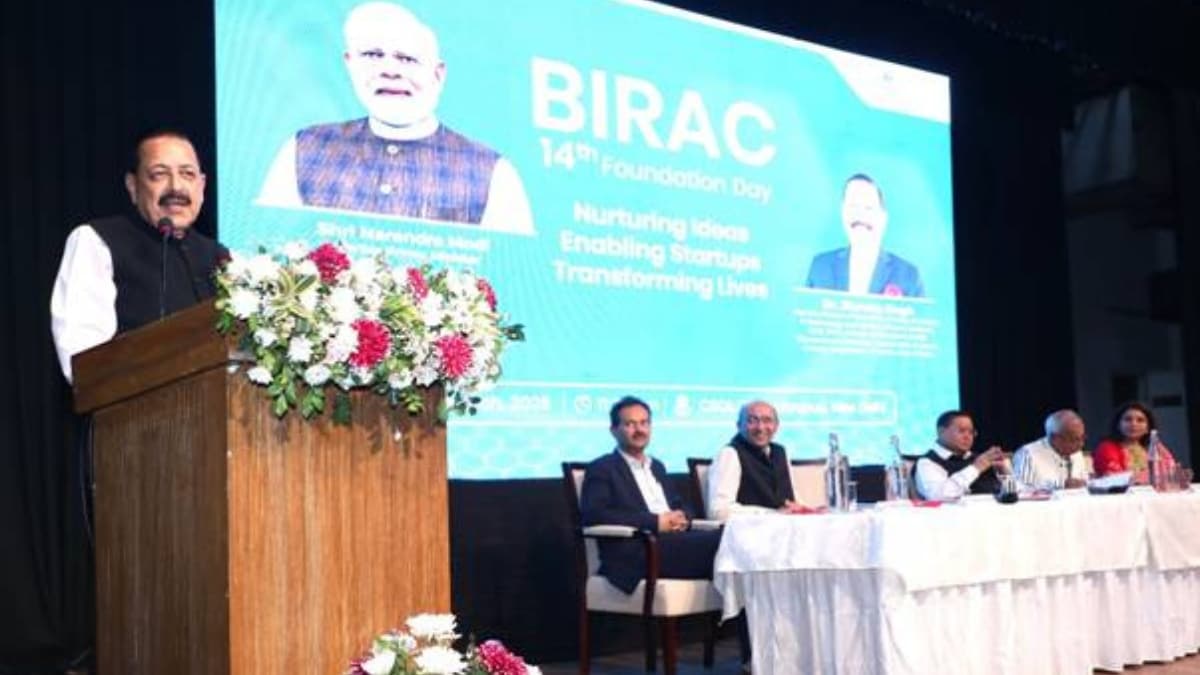
New Delhi, March 19, 2026: India’s bioeconomy has expanded dramatically from USD 10 billion in 2014 to USD 195 billion in 2025, registering an annual growth rate of 17–18%, according to Union Minister Dr Jitendra Singh. Speaking at the 14th Foundation Day of Biotechnology Industry Research Assistance Council (BIRAC), Dr Singh highlighted the sector’s emergence as a global biotechnology hub.
The event, held at the Civil Services Officers’ Institute, Chanakyapuri, New Delhi, was attended by senior policymakers, scientists, and industry leaders, including Dr Rajesh S. Gokhale, Secretary, Department of Biotechnology, and Prof Ashok Jhunjhunwala of IIT Madras.
Key Drivers of India’s Bioeconomy Growth
-
BIRAC’s Role: Enabling startups and connecting research with industry to translate ideas into market-ready solutions.
-
BioE3 Policy: Promoting biomanufacturing, climate-resilient agriculture, bio-based chemicals, precision biotherapeutics, and carbon capture technologies.
-
RDI Fund Support: ₹1 lakh crore outlay to facilitate research, development, and scale-up of biotech ventures.
-
Startups and Innovation: Over 11,800 biotech startups driving growth, job creation, and commercialization of products.
-
Infrastructure: Development of biofoundries, Bio-AI hubs, and advanced biomanufacturing platforms.
Economic Impact
According to the India Bioeconomy Report (IBER) 2026, the sector now contributes around 4.8% to India’s GDP, with a strong compound annual growth rate (CAGR) of nearly 18%. Since 2020, the bioeconomy has more than doubled in size, highlighting India’s rapid advancement in biotechnology and sustainable industries.
Focus on Talent and Inclusivity
Dr Jitendra Singh emphasized nurturing young scientific talent, including students, researchers, and women entrepreneurs, particularly from tier-2 and tier-3 cities. He stressed that these initiatives are building a nationwide culture of innovation.
Future Outlook
With a target of USD 300 billion by 2030, India’s bioeconomy is set to continue driving healthcare innovation, sustainable technologies, and employment, solidifying the country’s position as a biotech innovation powerhouse.