
IOC, BPCL & HPCL Hike Commercial LPG Prices by up to ₹53.50 from June 1, 2026 – Domestic Cylinders Unchanged
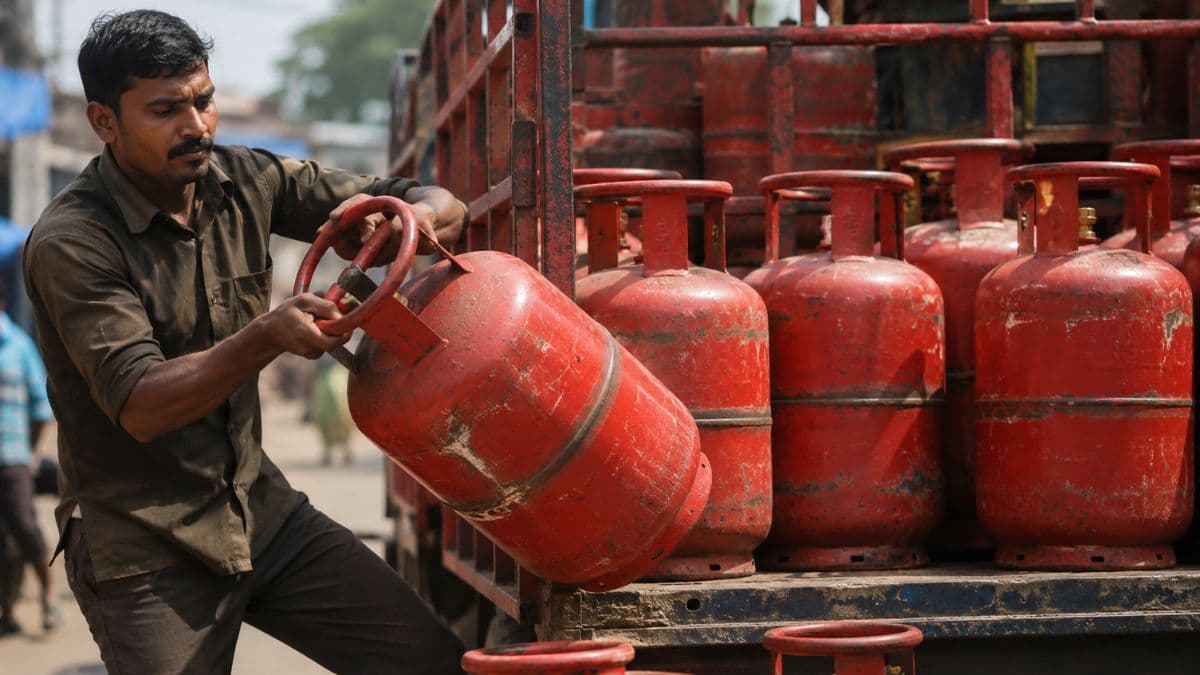
New Delhi, June 1, 2026 – India’s major public sector oil companies — Indian Oil Corporation (IOC), Bharat Petroleum Corporation (BPCL), and Hindustan Petroleum Corporation (HPCL) — have increased commercial LPG cylinder prices effective today.
This revision puts additional burden on hotels, restaurants, caterers, and other commercial users, while household domestic LPG cylinders remain completely unchanged.
Latest Commercial LPG Prices After Today’s Hike (19-kg Cylinder)
-
Delhi: ₹3,113.50 (up ₹42)
-
Kolkata: ₹3,255.50 (up ₹53.50)
-
Mumbai: ₹3,067.50 (up ₹43.50)
The price of 5-kg commercial Free Trade LPG cylinders has also increased by ₹11 to ₹821.50 in Delhi.
Domestic LPG Prices Remain Stable
The standard 14.2-kg domestic LPG cylinder price stays unchanged at ₹913 in Delhi (and similar rates in other cities). This provides continued relief to millions of Indian households.
Why the Commercial LPG Price Increase?
The oil PSUs have adjusted commercial rates due to lingering global supply chain pressures and earlier cost increases linked to international market conditions. This marks the fourth hike in commercial LPG prices in 2026 so far.
Domestic cylinders have been kept stable by the government to protect ordinary consumers.
Impact on Businesses
Hotels, restaurants, and small food businesses that rely on commercial LPG will see higher monthly expenses. Many have already passed on previous increases to customers through higher menu prices.
Experts recommend that commercial users monitor consumption closely and consider energy-efficient appliances where possible.
What Should You Do?
-
Households: Domestic LPG prices are unchanged. Continue booking refills normally through the MyLPG app or portal.
-
Commercial Users: Expect higher costs starting today. Plan your expenses accordingly.
Oil marketing companies review LPG prices on the 1st of every month. Future changes will depend on global crude oil trends and supply conditions.
This measured approach by IOC, BPCL, and HPCL balances business realities with consumer protection during uncertain times.