
NALCO Fined by SEBI for Board Composition Non-Compliance; Response in Process
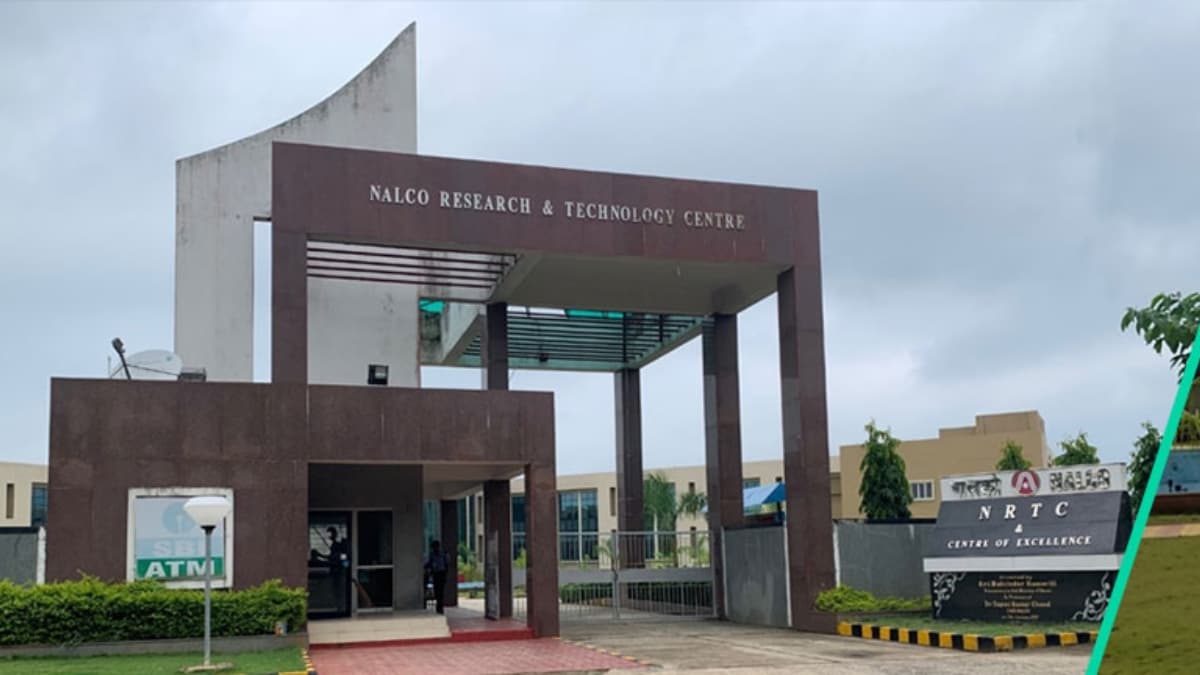
New Delhi: National Aluminium Company Limited (NALCO), a Government of India enterprise, has received notices from BSE Ltd. and the National Stock Exchange of India (NSE), each imposing a fine of ₹5.42 lakh (inclusive of GST) for non-compliance with Regulation 17(1) of the SEBI (Listing Obligations and Disclosure Requirements) Regulations, 2015 (SEBI LODR). The fines relate to the quarter ending 31 December 2025 and concern the composition of the company’s board, where the proportion of independent directors did not meet the regulatory requirement.
The company disclosed that the total financial impact of the fines amounts to ₹10.85 lakh, including GST. NALCO further stated that it is in the process of representing its position to the stock exchanges regarding the alleged non-compliance.
Regulatory Context and Governance Implications
Regulation 17(1) of SEBI LODR mandates that listed companies maintain at least 50% of their board as independent directors. Government-owned companies like NALCO often face delays in meeting this requirement due to the process of appointing directors through government channels.
Industry analysts note that while the fines are not significant relative to the company’s overall operations, adherence to board composition norms is critical for investor confidence and regulatory compliance. NALCO’s proactive engagement with the exchanges reflects a commitment to transparency and governance.
Next Steps
NALCO has indicated that it is formally responding to the notices from BSE and NSE and is likely to seek considerations in line with the SOP guidelines issued by stock exchanges for government-owned companies. Observers expect the matter to be resolved following dialogue with regulators and government authorities responsible for board appointments.
The disclosure comes amid heightened focus on corporate governance among public sector undertakings and highlights the challenges of aligning statutory requirements with operational realities in government enterprises.