
PNGRB launches Guidelines to infuse Compressed Biogas into Natural Gas Pipeline and City Gas Distribution Networks
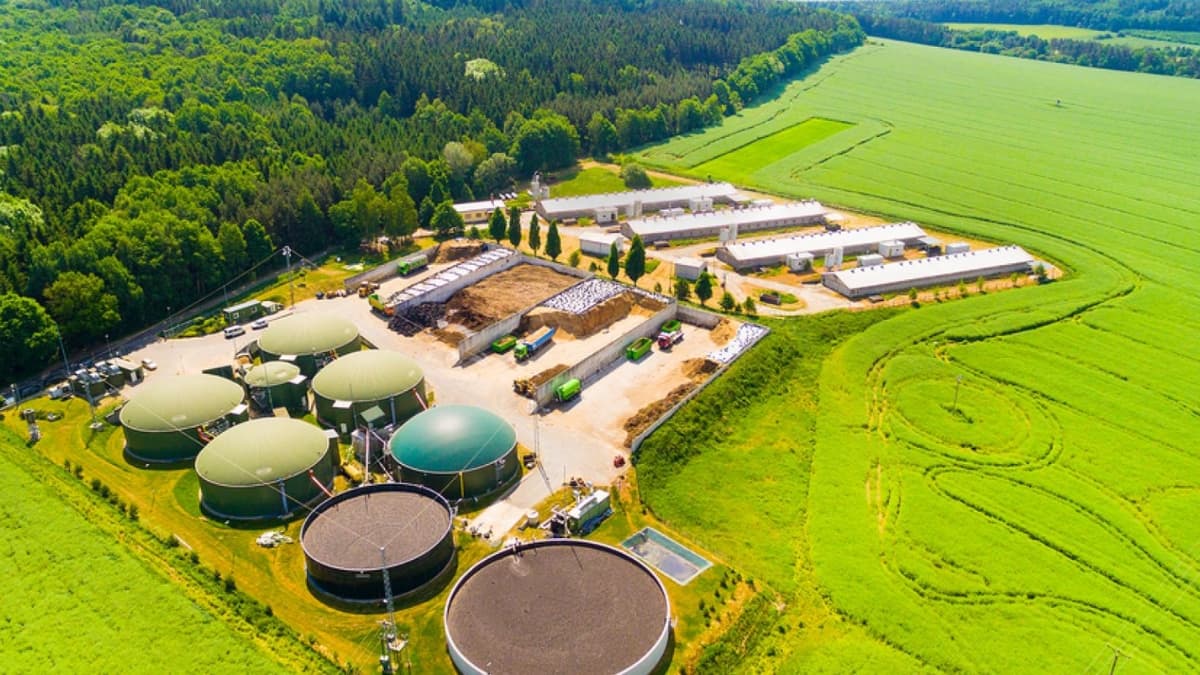
New Delhi: The Petroleum and Natural Gas Regulatory Board (PNGRB) has come with the Guidelines for Injection of Compressed Biogas (CBG) into Natural Gas Pipeline (NGPL) and City Gas Distribution (CGD) Networks for providing a robust framework for the safe, efficient and standardized integration of CBG into authorised Natural Gas infrastructure.
This issuance of the Guidelines showcases major step towards operationalising grid-based evacuation of Compressed Biogas and fulfilling a critical gap in the CBG ecosystem. By establishing a clear, transparent and standardised framework for injection of CBG into NGPL and CGD networks, the Board has provided Guidelines for facilitating the stakeholders for developing the infrastructure by project developers, CGD entities, technology providers and investors. This could significantly improve project viability through assured market access, facilitate financing and infrastructure planning, and accelerate scale-up of CBG production across the country.
The guidelines have been developed through an extensive and inclusive consultative process. A Technical Committee comprising representatives from CBG producers, CGD entities and NGPL pipeline operators was constituted to address the technical, operational and safety aspects specific to CBG injection. The initial draft guidelines were subsequently placed in the public domain to invite comments from stakeholders and the public, followed by detailed deliberations in an Open House meeting.
The guidelines also include illustrative schematic drawings detailing typical CBG injection configurations, intended to facilitate uniform interpretation, design consistency and smooth implementation across CGD and NGPL networks.
The integration of CBG into the natural gas grid is expected to enhance the availability of domestically produced green gas, reduce dependence on imported LNG, improve energy security, and support India’s climate and carbon reduction goals. Pipeline-based evacuation of CBG will also facilitate higher utilisation of agricultural residue, cattle dung, municipal solid waste, and other organic feedstocks.
The initiative is further expected to generate significant socioeconomic benefits, including assured income for farmers, promotion of a circular economy, reduction in crop residue burning and creation of rural employment specifically from CBG production from waste to energy plants.