
Budget-Based Used Car Buying: What You Can Expect at Different Price Points
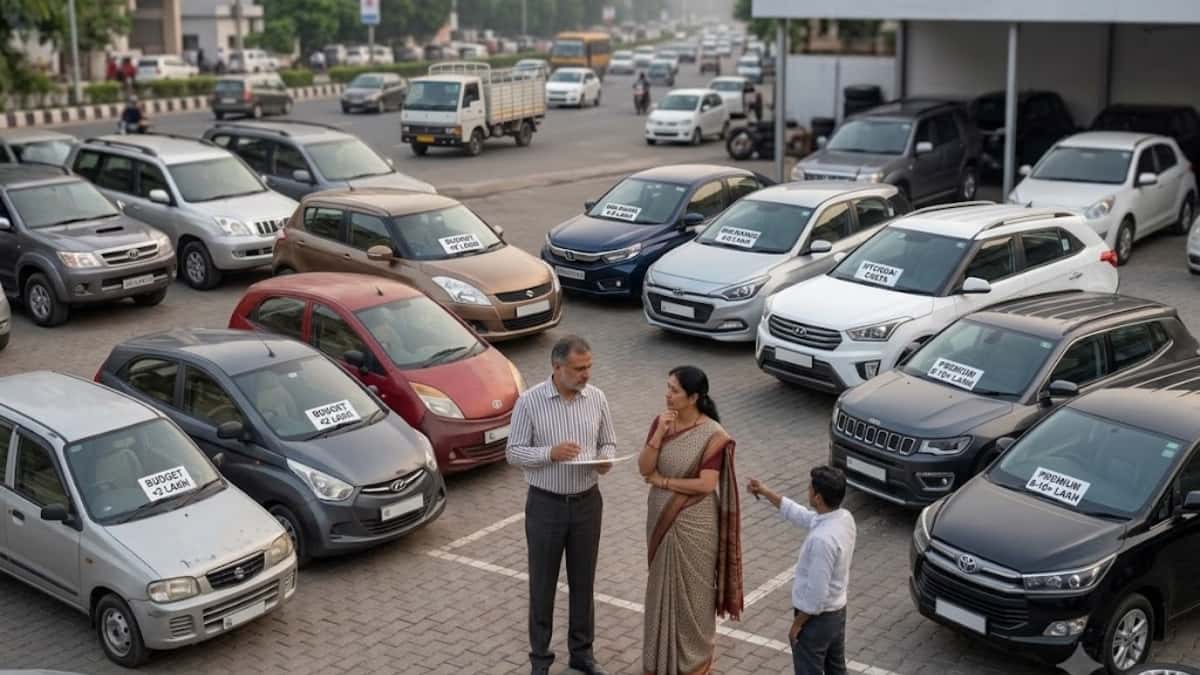
Buying a used car in India almost always starts with a number. Not a brand, not a body style - a budget. Whether you've got two lakhs to work with or seven, the pre-owned market in 2025 offers surprisingly different experiences at each tier.
Those searching for used cars under 1 lakh will quickly discover that patience and mechanical scrutiny matter more than anything else at this level. Knowing what each bracket actually delivers, and where it falls short, keeps you from setting yourself up for disappointment before you've even started browsing.
What the sub-1 lakh bracket actually gets you
Let's be honest. With used cars under 1 lakh, trade-offs here are real. Buyers who don't accept them upfront tend to get burned, and sometimes badly.
Cars in this range are typically 10 to 15 years old, with odometer readings north of 80,000 km. Think Maruti Alto 800, older Alto models, Hyundai Santros from the mid-2000s, the occasional Indica. Not glamorous, but they serve a purpose: basic, affordable personal transport that gets you from A to B without a loan breathing down your neck.
What you're really buying is mechanical viability, and that's the only lens worth using at this price. Does the engine run clean? Does the gearbox shift without hesitation? Those are the questions that matter.
A pre-purchase inspection from an independent mechanic is not optional at this level. Repair bills that exceed the car's purchase price within three months are not uncommon in this bracket, and they're almost always preventable with a single afternoon of due diligence.
|
Feature |
Sub-1 Lakh |
3-5 Lakh |
5-7 Lakh |
|
Typical Age |
10-15 years |
6-10 years |
4-7 years |
|
Common Segments |
Hatchback (entry) |
Hatchback (premium), compact sedan |
Compact SUV, sedan |
|
Safety Features |
Minimal |
Basic airbags on some |
Dual airbags, ABS common |
|
Expected Km |
80,000-1,20,000 |
50,000-90,000 |
30,000-70,000 |
The 3 to 5 lakh sweet spot
Cross the three lakh mark and the numbers tell a different story. Suddenly you're looking at cars that feel relatively modern: Maruti Swift and Dzire models from 2015 to 2018, Hyundai Grand i10s, first-generation Honda Amaze units, even some Volkswagen Polos if you're lucky with timing.
Dual airbags. ABS. Infotainment with smartphone connectivity. These aren't aspirational extras anymore. They're the baseline expectation.
This price range sees high transaction volume in India's pre-owned car market, and it's not hard to see why. Buyers get a reasonable balance between age, mileage, and features without stretching their finances into genuinely uncomfortable territory. Insurance costs stay manageable at this tier, and spare parts for the popular models in this bracket are easy to source. A Swift that needs a new ignition coil doesn't send you on a three-week parts hunt.
Petrol variants in this bracket often make considerably more sense over a three-to-five-year ownership horizon.
Stretching to 7 lakhs changes the game considerably
At seven lakhs, the market shifts again. Dramatically. This is the territory where pre-owned cars start competing directly with brand-new entry-level options, and frequently win.
A 2019 or 2020 Hyundai Venue, a Maruti Brezza, a fourth-generation Honda City. Proper safety equipment, touchscreen infotainment, automatic climate control, and in some cases an automatic transmission are now table stakes in this tier, things that felt out of reach three years ago.
Here's what the depreciation math actually looks like. Cars in this bracket typically stickered well above their current asking price when new. The first owner absorbed the steepest part of the value curve, that brutal drop in the first two years. The second buyer walks in after that damage is already done and picks up a relatively fresh vehicle at a significant discount.
For anyone exploring 2nd hand cars under 7 lakhs, the variety across segments, from compact SUVs to mid-size sedans, makes this one of the most flexible brackets in the entire market.
Practical steps that apply across every budget
Some things don't change regardless of what you're spending. Verify the RC transfer status. Confirm there are no pending challans or hypothecation locks sitting on the registration.
Cross-check the chassis number against the documents yourself; don't delegate that step. Service history matters enormously above the three lakh mark, where component replacement costs can run into five figures and a documented maintenance record tells you far more than a seller's verbal assurances ever will.
Most people think used car loans carry prohibitive interest rates. Sounds reasonable, and it's only partially true. Several banks and NBFCs now offer competitive rates for pre-owned vehicles under eight years old. The catch is that the car's age and condition need to meet the lender's eligibility criteria, so find that out before you fall for a specific vehicle, not after you've mentally moved in.