
Economic Survey Tabled: India’s Growth to Stay Near 7% Despite Global Risks
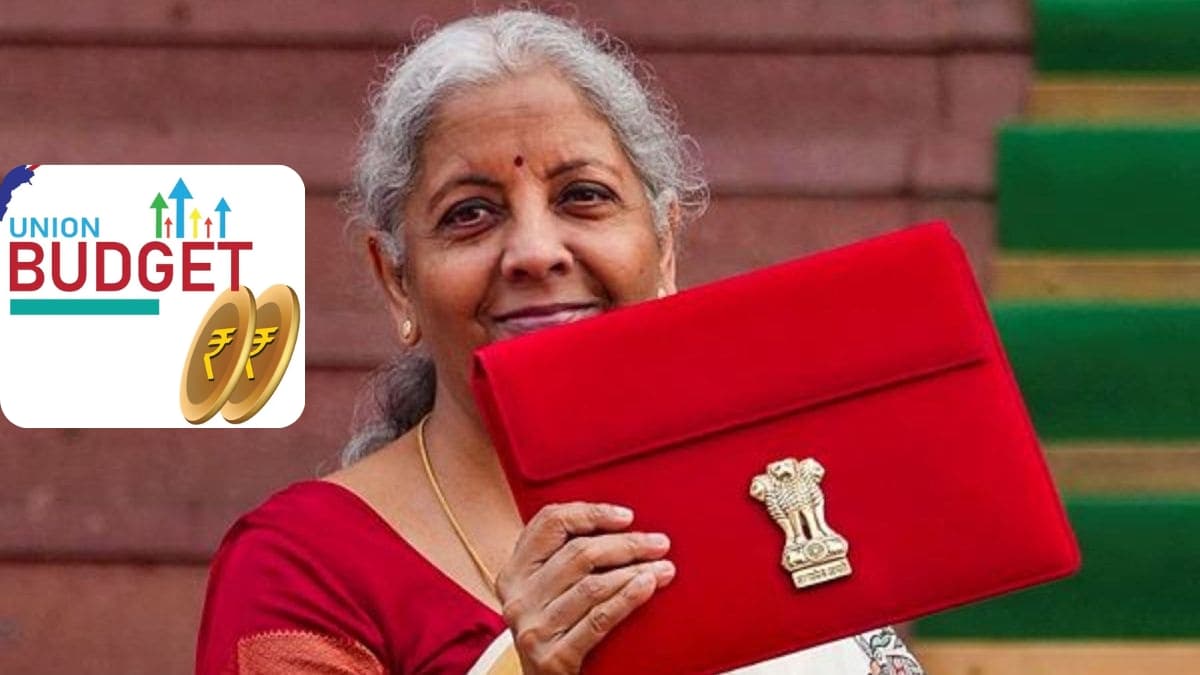
New Delhi: Ahead of the Union Budget, Finance Minister Nirmala Sitharaman on Friday tabled the Economic Survey 2025-26 in Parliament, presenting a comprehensive assessment of India’s economic performance and outlook amid global uncertainty.
The Survey projects that India’s real GDP growth is likely to remain in the range of 6.8% to 7.2% in the coming fiscal year, reaffirming the country’s position as one of the fastest-growing major economies in the world.
India Continues to Be a Global Bright Spot
Despite slowing global growth, geopolitical risks, and volatile commodity markets, the Survey notes that India’s macroeconomic fundamentals remain stable, supported by strong domestic demand, public investment, and a resilient financial system.
The current fiscal year is estimated to close with a growth rate of around 7.4%, indicating sustained momentum in economic activity.
Public Investment Drives Growth Momentum
A key highlight of the Survey is the continued emphasis on government-led capital expenditure, particularly in infrastructure-related sectors such as railways, defence, roads, and energy.
Public investment has played a critical role in crowding in private investment, improving logistics efficiency, and strengthening manufacturing capacity, the document notes.
Improved Fiscal Position and PSU Contribution
The Survey underlines the government’s commitment to fiscal consolidation, supported by improved revenue buoyancy and disciplined expenditure management.
It also points to the improved financial health of Central Public Sector Enterprises (CPSEs) and public sector banks, which has helped strengthen non-tax revenues and reduce stress in the banking system.
Inflation Moderates, Policy Space Improves
According to the Survey, inflation has shown a moderating trend, aided by supply-side measures and stable domestic demand. While the document does not indicate any immediate policy changes, it suggests that easing price pressures provide greater flexibility for macroeconomic management going forward.
Long-Term Vision: ‘Viksit Bharat 2047’
The Survey reiterates the government’s long-term vision of achieving Developed India (Viksit Bharat) status by 2047, highlighting the need for sustained reforms, productivity enhancement, technology adoption, and efficient institutions.
Public sector enterprises are expected to continue playing an important role in strategic sectors critical to national development, including energy security, infrastructure creation, and industrial growth.
Key Indicators at a Glance
-
GDP Growth Outlook: 6.8%–7.2%
-
Inflation: Moderating
-
Fiscal Strategy: Gradual consolidation
-
Foreign Exchange Reserves: Comfortable buffer
-
Agriculture: Positive outlook supported by monsoon conditions
Focus Shifts to Union Budget
With the Economic Survey setting the macroeconomic context, attention now turns to the Union Budget, which will outline the government’s fiscal priorities, spending plans, and reform agenda for the coming year.
Market participants, policymakers, and industry stakeholders will closely watch announcements related to capital expenditure, infrastructure, and public sector reforms.