
Historic Union Budget 2026–27: Full Analysis & Key Announcements by FM Sitharaman
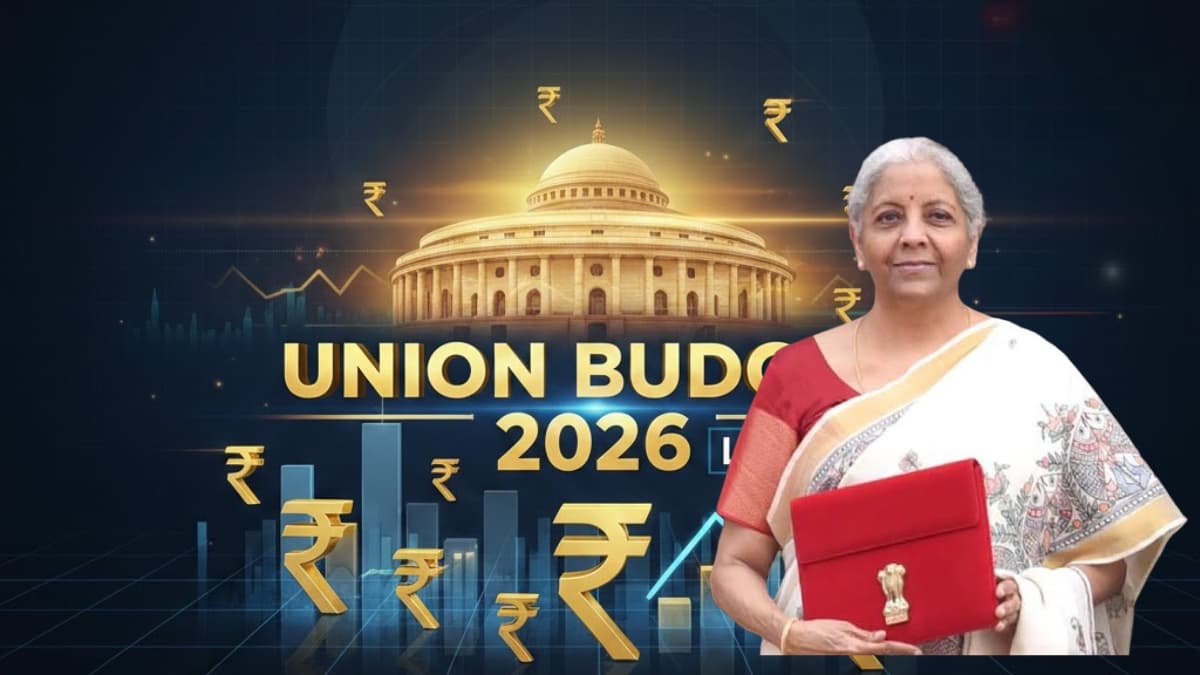
New Delhi, 1 February 2026 — Finance Minister Nirmala Sitharaman presented the Union Budget 2026–27 in Parliament today, marking her ninth consecutive Budget. This Budget emphasizes infrastructure, technology, MSMEs, biopharma, agriculture, energy, education, healthcare, defense, and citizen welfare, aiming to accelerate economic growth, create jobs, and strengthen India’s global competitiveness, all while maintaining fiscal discipline.
This in-depth coverage analyzes every sector, key announcements, real-world impact, and what it means for citizens, businesses, and investors.
🏗️ Infrastructure & Urban Development
-
Capital Expenditure (CapEx): ₹12.2 lakh crore — highest in India’s history.
-
Key investments:
-
Roads & Highways: New expressways, rural connectivity projects.
-
Railways & Metro Networks: Seven new high-speed corridors; metro expansions in Tier 2 and Tier 3 cities.
-
Ports & Logistics: Freight corridors, dedicated cargo hubs to boost exports/imports.
-
Urban Development: Smart city expansion and affordable housing initiatives.
-
-
Impact: Creates millions of jobs in construction, logistics, and real estate; reduces travel time and urban congestion.
🚄 Transport & Aviation
-
High-Speed Rail Corridors: Mumbai-Pune, Pune-Hyderabad, Delhi-Kolkata, cutting travel time by 40–60%.
-
Airports & Aviation: Expansion of regional airports, incentives for low-cost carriers to connect remote areas.
-
Public Transport: Investments in metro, e-buses, and urban transport systems for sustainable mobility.
🧬 Biopharma, Healthcare & Medical Tourism
-
Biopharma SHAKTI Initiative: ₹10,000 crore to strengthen manufacturing, research, and clinical trials.
-
AIIMS Expansion: Three new AIIMS hospitals announced in under-served regions.
-
Medical Tourism: Incentives for hospitals and wellness centers to attract foreign patients.
-
Public Health: Increased funding for vaccines, primary health centers, and rural medical infrastructure.
💻 Technology & Digital Economy
-
Semiconductors Mission 2.0: ₹40,000 crore to expand chip production, R&D, and electronics manufacturing.
-
Cloud & Data Centers: Tax incentives until 2047 to attract foreign cloud providers.
-
AI & Innovation: Funding for AI adoption in government, agriculture, and healthcare sectors.
-
Digital Payments & Fintech: Incentives for fintech startups, rural banking, and financial inclusion.
🌾 Agriculture & Rural Development
-
Minimum Support Price (MSP) Updates: Focus on wheat, rice, pulses, and horticulture crops.
-
Irrigation & Water Management: Expansion of irrigation projects and water conservation schemes.
-
Rural Infrastructure: Roads, electrification, and storage facilities to reduce farm-to-market losses.
-
Farmers’ Welfare: Crop insurance expansion, access to credit, and digital advisory services.
🔋 Energy & Environment
-
Renewable Energy: Investments in solar parks, wind energy, and hybrid power systems.
-
Green Hydrogen Mission: Funding for hydrogen production, especially for industrial and transport use.
-
Electric Vehicles (EVs): Charging infrastructure, incentives for EV manufacturing, and consumer subsidies.
-
Climate Initiatives: Grants for sustainable agriculture, afforestation, and water conservation.
💼 MSME, Startups & Innovation
-
SME Growth Fund: ₹10,000 crore to support micro, small, and medium enterprises.
-
Startup Incentives: Tax holidays, low-interest loans, and global market access.
-
Sectoral Impact: Biotech, AI, green technologies, and electronics sectors get targeted support.
-
Citizen Benefit: More local employment opportunities and services.
🛡️ Defense & Strategic Sectors
-
Defense Manufacturing: Increased funding for local manufacturing under “Make in India” programs.
-
Strategic Materials: Rare earth and critical minerals corridors in Odisha, Kerala, Tamil Nadu.
-
Procurement Reforms: Faster approvals for defense projects and private sector partnerships.
-
Impact: Enhances India’s self-reliance and exports in strategic sectors.
💰 Tax Reforms & Citizen-Friendly Measures
-
Income Tax: Slabs unchanged; compliance simplified under the new Income Tax Act.
-
TCS Reduction: Overseas travel, education, and medical payments now taxed at 2%.
-
Senior Citizens: Additional exemptions on medical expenses and retirement savings.
-
Urban & Rural Citizens: Measures to reduce cost of living, promote affordable housing, and digital access.
📊 Sectoral & Market Analysis
|
🧠 What This Budget Means for Citizens
-
Faster Connectivity: Railways, roads, metros, and ports enhance daily life and business.
-
Global Tech Leadership: Investments in semiconductors, biotech, and AI create long-term growth.
-
Job Creation: MSMEs, infrastructure, startups, and strategic sectors generate millions of employment opportunities.
-
Ease of Living: Simplified taxes, cost reductions, and welfare measures improve disposable income.
-
Environmental Sustainability: Renewable energy and EV infrastructure ensure a greener future.
💡 Key Takeaways
-
Budget balances growth, citizen welfare, and fiscal responsibility.
-
Infrastructure & urban development are the core drivers of economic expansion.
-
Strategic investments in technology, biopharma, and defense boost global competitiveness.
-
MSME and startup support promotes employment and entrepreneurship.
-
Citizen-friendly reforms in tax, housing, healthcare, and digital access improve quality of life.
Bottom Line:
The Union Budget 2026–27 is a comprehensive, sector-spanning roadmap that aims to accelerate India’s economic growth, create jobs, strengthen technology and defense capabilities, and ensure citizen welfare. With strategic investments and policy support across infrastructure, technology, agriculture, energy, healthcare, and MSMEs, India is poised to emerge as a global leader over the next decade.