
U.S. and African Union Launch Strategic Investment Working Group to Boost Infrastructure and Trade
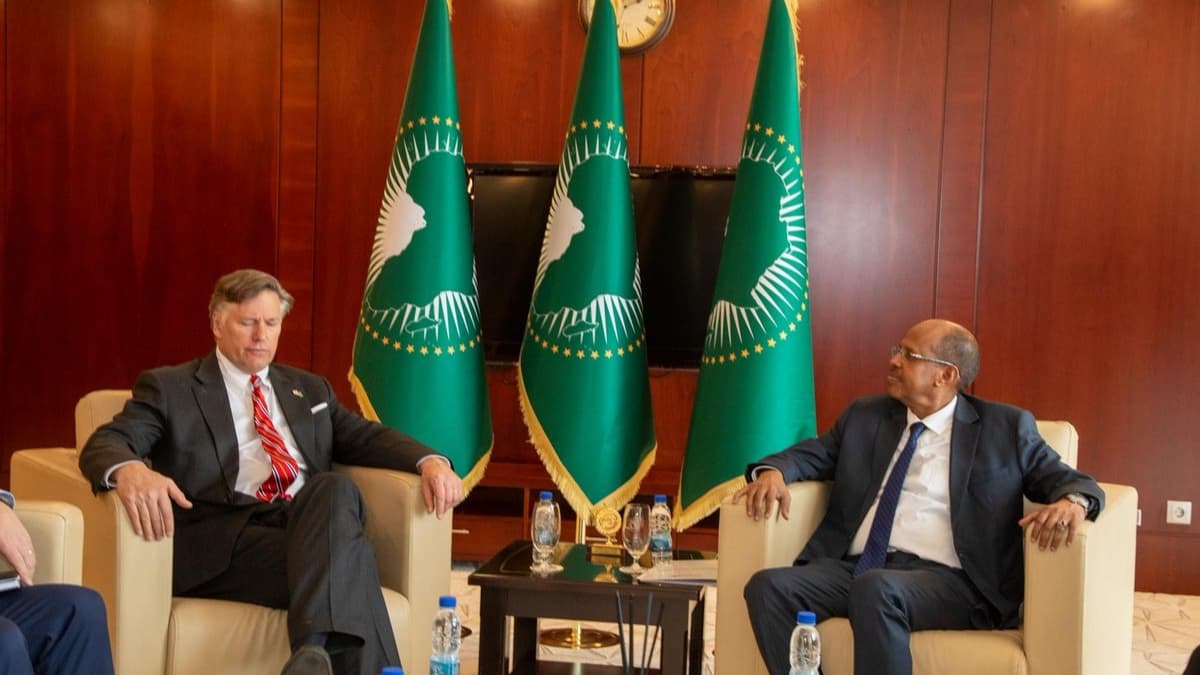
The United States and the African Union Commission (AUC) today announced the establishment of a high-level working group to catalyze private sector investment in critical African infrastructure, marking a significant shift in economic engagement towards strategic partnership and trade-led growth.
The decision was formalized during a meeting between U.S. Deputy Secretary of State Christopher Landau and AUC Chairperson H.E. Mahmoud Ali Youssouf at the African Union headquarters in Addis Ababa.
Core Agreement: The Strategic Infrastructure and Investment Working Group (SIWG)
The central outcome of the meeting was the agreement to launch the U.S.-AUC Strategic Infrastructure and Investment Working Group (SIWG). This new platform is designed to move beyond traditional aid models and foster "durable, profitable investments" that create jobs and economic security in both America and Africa.
Objective: The SIWG will serve as a formal channel for senior U.S. government and AUC officials, along with technical experts, to identify and advance opportunities for U.S. private sector investment in AU-backed, trade-enabling infrastructure projects.
Strategic Alignment with African Priorities
Both parties affirmed that their cooperation would be directly informed by the African Union’s long-term development blueprint, Agenda 2063. Specific focus will be placed on:
-
The Programme for Infrastructure Development in Africa (PIDA) priority corridors.
-
Supporting the implementation of the African Continental Free Trade Area (AfCFTA).
The leaders agreed that "economic growth forms the foundation of a peaceful and prosperous Africa," with quality infrastructure being a critical next step.
Focus Areas for Investment
The SIWG will prioritize U.S. investment and engagement in projects that advance shared strategic priorities, including:
-
Enabling Infrastructure: Transportation corridors, logistics hubs, and energy networks to facilitate intra-African and global trade.
-
Digital Transformation: Securing and expanding continent-wide digital infrastructure.
-
Supply Chain Development: Building resilient critical minerals and commodities supply chains.
-
Regulatory Harmonization: Supporting efforts to align regulations and boost two-way trade under the AfCFTA.
-
Health Security: Investing in infrastructure that improves health outcomes and pandemic preparedness.
A New Model for U.S.-Africa Relations
The joint statement emphasized a move away from a reliance on foreign assistance toward a model of mutual economic partnership. The SIWG aims to leverage the AU's convening authority and regional expertise alongside U.S. capital, technology, and innovative financing tools.
"This provides a foundation for strategic economic cooperation that will grow and shape the relationship for years to come," the joint statement noted, highlighting the long-term perspective of the initiative.
Analyst View: "The launch of the SIWG represents a pragmatic evolution in U.S.-Africa policy. It formally aligns U.S. economic interests with Africa's own development priorities, particularly the AfCFTA, and creates a structured mechanism to de-risk and channel private investment into transformative infrastructure," said [Analyst Name], Africa policy expert at [Think Tank/Institution].
Next Steps: The U.S. government and the AUC will now begin the process of constituting the working group with senior officials and defining its initial portfolio of priority infrastructure projects for engagement.