
India Breaks Energy Record: 52,537 MW Added in Just 10 Months
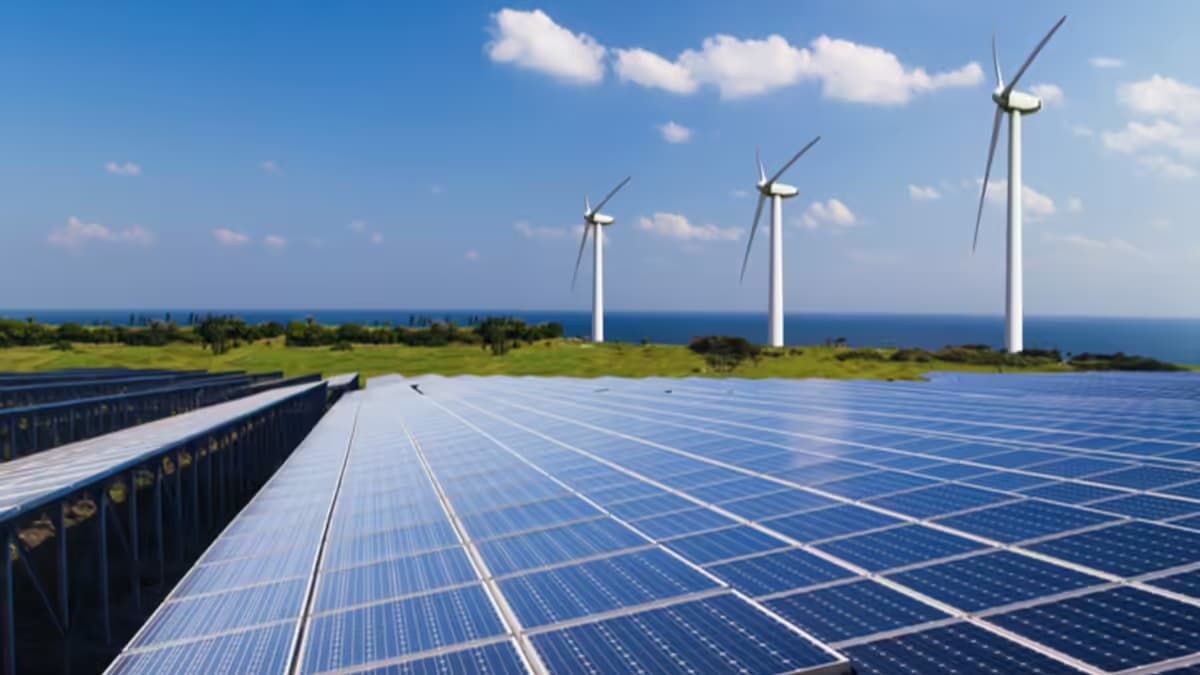
New Delhi: India has set a new milestone in power generation during FY 2025–26 (up to January 31, 2026), with a total of 52,537 MW added across all energy sources. This represents the largest single-year capacity expansion in the country’s history, surpassing the previous record of 34,054 MW in FY 2024–25.
Renewables Drive Growth
Renewable energy accounted for the majority of the new capacity, with 39,657 MW added during the first ten months of the financial year. The breakdown includes:
-
Solar power: 34,955 MW
-
Wind power: 4,613 MW
This surge demonstrates India’s accelerating shift toward clean energy and its commitment to achieving sustainable energy targets.
Significant Boost to Installed Capacity
The FY26 additions have increased India’s total installed generation capacity by more than 11% in just ten months, bringing the country’s overall power capacity to 520,511 MW as of January 31, 2026.
The total installed capacity is now comprised of:
-
Fossil Fuel-Based Capacity: 248,542 MW
-
Non-Fossil Fuel Capacity: 271,969 MW
-
Nuclear: 8,780 MW
-
Renewable Energy: 263,189 MW
-
This means non-fossil fuel sources—including renewables and nuclear—now make up over half of India’s total installed capacity, signaling a clear transition toward a cleaner and more sustainable energy mix.
Implications for India’s Energy Landscape
The record capacity addition highlights India’s rapid infrastructure growth and strategic focus on renewable energy deployment, especially solar and wind. This development not only strengthens the country’s energy security but also supports climate action goals by reducing reliance on fossil fuels.
Experts note that such large-scale renewable integration can help India meet its ambitious target of net-zero emissions by 2070 while ensuring stable and affordable electricity supply for industry, households, and new technologies.
This achievement reflects the combined efforts of central and state governments, power producers, and renewable energy developers in scaling up India’s generation capacity at an unprecedented pace.