
Budget 2026: Sitharaman Ditches 75-Year Tradition, Puts Reforms in Spotlight; Middle Class Awaits Tax Relief
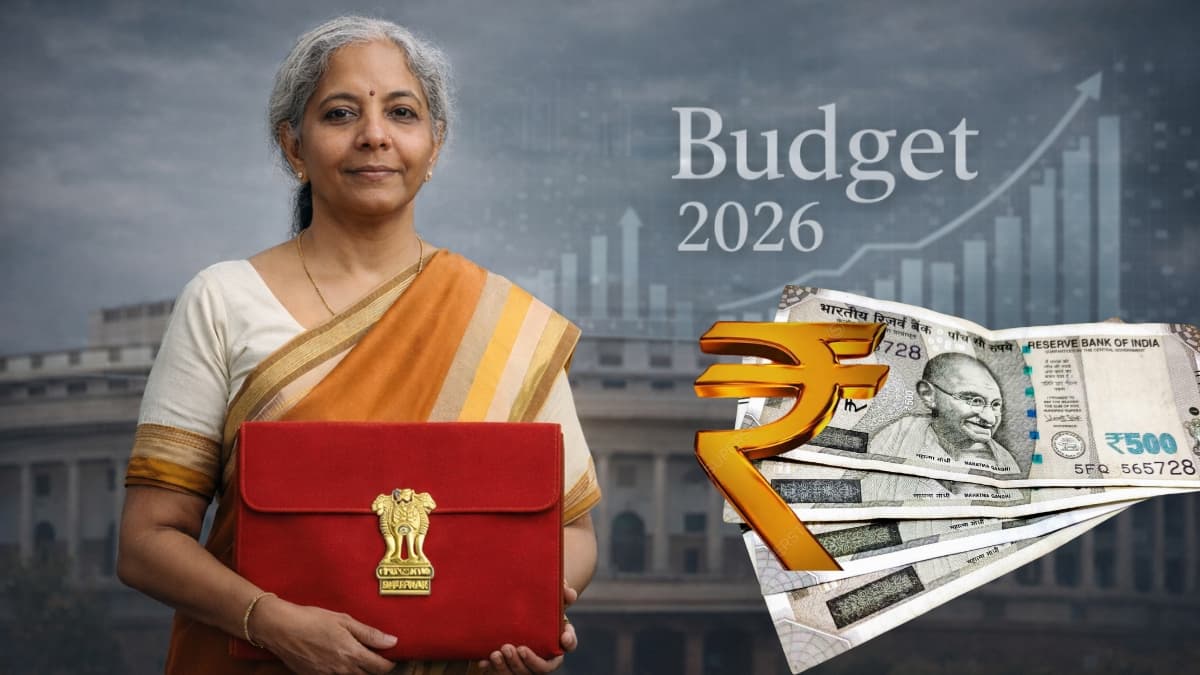
NEW DELHI, February 1: Finance Minister Nirmala Sitharaman's presentation of the Union Budget 2026-27 today marks a definitive break from history. In a first in 75 years, the core of the government’s economic vision will be unveiled in Part B of the Budget speech, historically reserved for tax minutiae, signalling a strategic shift towards deep structural reforms.
Dubbed the "Reform Express" by officials, this pivot aims to position India competitively on the global stage. Meanwhile, the salaried middle class watches closely, hoping the grand vision includes tangible income tax relief.
The Part B Pivot: More Than Just Taxes
Tradition is being rewritten. Until now, Part A of the speech carried the government’s economic review and major policy announcements. Part B was a technical domain for tax changes. Budget 2026 flips this narrative.
Sources indicate a significantly expanded Part B will serve as the main platform for India's reform roadmap. Key announcements expected include:
-
Customs Overhaul: A major simplification of India's complex customs duty structure to boost manufacturing and ease compliance.
-
Unified Zones: A proposal to merge schemes like Special Economic Zones (SEZs) into unified manufacturing and export zones to create efficient, world-class hubs.
"The objective is to use the Budget to push structural changes that improve competitiveness and shield the economy from global volatility," a senior official said.
Middle-Class Mandate: The Taxpayer's Wishlist
Parallel to this macro vision runs the micro reality of household budgets. With inflation a concern, salaried taxpayers have clear expectations, though experts caution fiscal space for sweeping cuts is limited.
| Expectation | Current Rule | Public Demand | Likelihood |
|---|---|---|---|
| Higher 30% Tax Slab | Starts at ₹24 lakh | Raise threshold to ₹30 lakh | Moderate |
| Increased Standard Deduction | ₹75,000 | Hike to offset urban living costs | Moderate |
| Home Loan Benefit in New Regime | Not available | Extend ₹2 lakh deduction | Possible |
| Higher Section 80C Limit | Stuck at ₹1.5 lakh | Increase limit significantly | Low |
| Expectation | Current Rule | Public Demand | Likelihood |
|---|---|---|---|
| Higher 30% Tax Slab | Starts at ₹24 lakh | Raise threshold to ₹30 lakh | Moderate |
| Increased Standard Deduction | ₹75,000 | Hike to offset urban living costs | Moderate |
| Home Loan Benefit in New Regime | Not available | Extend ₹2 lakh deduction | Possible |
| Higher Section 80C Limit | Stuck at ₹1.5 lakh | Increase limit significantly | Low |
What Economists Are Watching
Beyond taxes, markets will scrutinise two figures:
-
Fiscal Deficit Path: With the deficit below 4.5% of GDP, the new consolidation target.
-
Capital Expenditure: Expect a 10-15% increase from ₹11.2 lakh crore to continue driving growth amid cautious private investment.
The Bottom Line
Today's Budget is a dual test: it must convincingly chart a long-term reform course for a 'Viksit Bharat' while also addressing the immediate, pressing need for disposable income growth among its largest taxpayer base. How Sitharaman balances these two narratives—the strategic and the personal—will define its reception.